

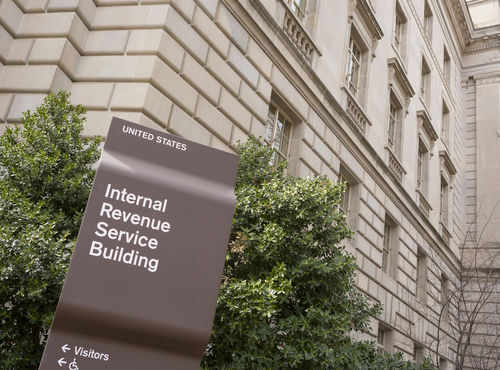
A leaked-tax scandal that began under Biden may now turn into a $1.7 billion test of whether Trump’s Justice Department can finally deliver justice to conservatives without crossing the line on taxpayer money and constitutional limits.
Story Snapshot
- Trump is expected to drop his $10 billion lawsuit over leaked tax returns in exchange for a $1.7 billion compensation fund for victims of Biden-era government “weaponization.”
- The leak of Trump’s confidential tax data by an Internal Revenue Service contractor is undisputed and already resulted in criminal punishment.
- Critics on the left portray the proposed settlement as self-dealing and a taxpayer “heist,” while ignoring the underlying privacy violation.
- The structure of the new fund and who controls it will decide whether this becomes real accountability or another unaccountable Washington slush pile.
How a Biden-Era Tax Leak Put Trump and the Internal Revenue Service on a Collision Course
News reports confirm that former Internal Revenue Service contractor Charles Edward Littlejohn stole and leaked confidential tax information belonging to Donald Trump and other wealthy Americans to the New York Times and ProPublica between 2018 and 2020, during the Biden era.[1][2] Trump and related plaintiffs responded with a lawsuit against the Internal Revenue Service and the Treasury Department seeking at least ten billion dollars in damages, arguing the leak caused serious reputational and financial harm and violated long-standing taxpayer confidentiality protections.[1] That underlying breach, not partisan spin, is the hard fact at the center of this fight.
Trump’s complaint describes the damage in terms most conservatives will recognize from years of media attacks: reputational smearing, business harm, and public embarrassment fueled by selective publication of confidential data.[1] Reports say his legal team argues the Internal Revenue Service “wrongly allowed a rogue, politically motivated employee” to access and leak the information, framing the case as a failure of government safeguards as much as the act of a single contractor.[2] At the same time, legal experts note the public record still lacks detailed evidence tying the leak to a measurable ten billion dollars in concrete losses.
The Reported Deal: Dropping a $10 Billion Claim for a $1.7 Billion ‘Weaponization’ Fund
According to reporting from ABC News, sources say Trump is expected to drop his ten billion dollar lawsuit if the government creates a one point seven billion dollar fund using taxpayer money to compensate people who claim they were harmed by Biden administration “weaponization” of the legal system.[2] That would include, at least potentially, nearly sixteen hundred individuals charged after the January sixth Capitol events and others who argue they were selectively targeted for political reasons.[2] The fund would draw from the Treasury Department’s existing judgment account, which already pays federal settlements.
The same reports say a commission would oversee the fund with broad authority to decide who gets paid and how much, raising serious questions about transparency and checks on political favoritism.[2] Sources told ABC News the president could remove commission members “without cause,” and that the commission would not have to disclose its internal decision-making process.[2] Settlement terms are reportedly being discussed that bar Trump himself from personally receiving money tied directly to his own lawsuit, but do not explicitly forbid entities associated with him from filing claims under the fund.[2] That structural ambiguity is exactly what opponents now seize on.
Conflict-of-Interest Optics and the Conservative Case for Guardrails, Not Surrender
Left-wing commentators and activist outlets have rushed to brand the possible settlement as a “heist,” claiming Trump is using his position to “raid the Treasury” and funnel money to allies.[3] Some Democrats argue it would be “the largest single act of presidential corruption in American history,” language designed to drown out the prior fact that Biden-era agencies failed to safeguard confidential tax data at all.[3] Judicial skepticism about whether Trump and the government are truly adverse in this case has also been highlighted, adding another layer of concern about appearances instead of the substance of the leak.[2]
For conservatives, two things can be true at once. First, the Biden administration’s record of politicized investigations, two-tiered justice, and leaks aimed at Trump and his supporters created real victims who deserve compensation when laws were broken.[1][2] Second, any new one point seven billion dollar fund must be tightly constrained, transparent, and subject to external oversight so that taxpayers are not writing blank checks to any administration, even a friendly one. That means clear eligibility rules, public reporting, and independent review so the effort looks less like a slush fund and more like long overdue restitution.
What This Fight Reveals About Weaponized Government and the Road Ahead
This proposed settlement exists because Washington repeatedly failed to enforce basic protections on the most sensitive data citizens entrust to the federal government.[1][2] Littlejohn’s conviction confirms the leak was real and illegal, and the presence of another high-profile victim, billionaire Ken Griffin, shows Trump is not alone in having private finances exposed without consent.[2] Congress long ago recognized this danger in tax law, but the Biden-era breakdown in Internal Revenue Service controls and culture allowed a partisan actor to weaponize those systems against political enemies.[1][2]
Jayapal: First, Trump essentially sues the IRS for taxpayer dollars for himself, and then he says he’ll drop the lawsuit if he gets his $1.7 billion slush fund for the January 6th insurrectionists that he pardoned.
It is an outrage that taxpayers are having to pay for this and… pic.twitter.com/LdMo3Uh7Kz
— Acyn (@Acyn) May 15, 2026
As negotiations continue, conservatives should watch three pressure points: whether the leak’s victims receive fair redress without turning Trump’s case into a personal windfall; whether the new fund truly remedies Biden-era abuses rather than creating fresh opportunities for them; and whether Congress finally tightens laws so a future Internal Revenue Service or Department of Justice cannot be turned against political outsiders again.[1][2] Justice for targeted patriots is necessary, but so are firm guardrails to protect the Constitution, taxpayer dollars, and equal treatment under the law.
Sources:
[1] Web – DOJ considers settling Trump’s IRS lawsuit: report
[2] Web – Trump poised to drop IRS suit, launch $1.7B ‘ …
[3] Web – House Democrat Warns Trump on Verge of ‘Largest Single …