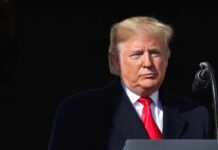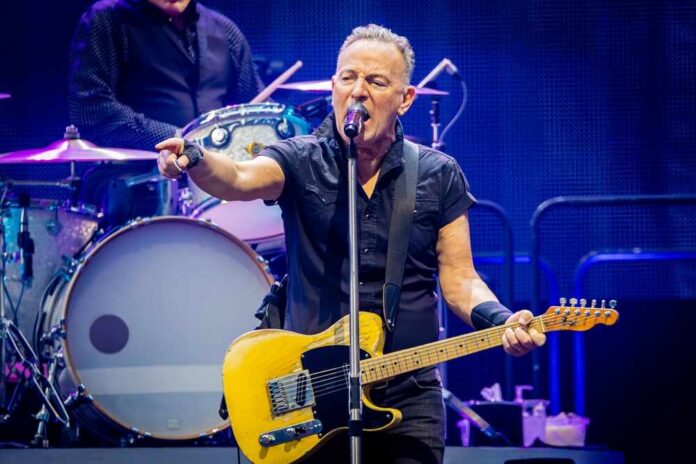
A satirical headline claiming President Trump threatened to send Bruce Springsteen to Iran is being spun as political “news,” highlighting once again how comedy is weaponized to confuse voters and smear conservatives.
Story Snapshot
- The “Trump sends Springsteen to Iran” story is a comedy sketch from a satire outlet, not real foreign policy.
- Anti‑Trump entertainers like Springsteen are now props in a broader media campaign to ridicule the Trump administration.
- Critics risk blurring the line between parody and news, feeding misinformation while blaming conservatives for “disinformation.”
- The dust‑up sits on top of a very real Trump–Springsteen feud that corporate media eagerly amplifies.
Satire Site Mocks Trump With Iran–Springsteen Fantasy
The piece titled “Trump Tells Iran This Is Last Warning Before He Sends Bruce Springsteen To Perform There” comes from The Babylon Bee, a well‑known conservative Christian satire website that publishes fictional headlines to lampoon politics and culture.[1] The article imagines President Trump threatening Iran’s rulers by “deploying” Springsteen concerts as a form of torture, clearly framed as a joke with over‑the‑top quotes and scenarios that no serious reader would mistake for an actual White House statement.[1] Yet, as often happens online, snippets can be stripped of context.
According to the parody, Trump supposedly warns Iran’s Islamic Revolutionary Guard Corps that if they do not reopen the Strait of Hormuz, he will send Springsteen to play “all across Iran,” joking that “no one should be hurt like that, but this is war.”[1] The story ends by calling such a move “the most heinous war crime in history,” language so exaggerated it functions as a neon sign that this is comedy, not reporting.[1] Still, recycled out of context on social media, even obvious parody can fuel confusion.
Real Trump–Springsteen Feud Gives Satire Extra Punch
This joke lands in an environment where Donald Trump and Bruce Springsteen are already in a real political feud, which lets satirists piggyback off legitimate news.[2] Politico reports that President Trump recently blasted Springsteen on his social media platform just hours after a prime‑time address hinting at upcoming actions against Iran, mocking the musician’s appearance and accusing him of “Trump Derangement Syndrome.”[2] That real‑world clash makes Springsteen a convenient stand‑in for elite celebrity outrage toward Trump’s foreign policy and America‑first agenda.
Politico notes that Springsteen has spent years publicly attacking Trump, calling the republic “under siege by a moron” in 2016 and using concert stages to denounce Trump’s policies.[2] In one recent performance at a “No Kings” rally in Minneapolis, Springsteen condemned the administration’s Operation Metro Surge immigration enforcement initiative and debuted a song targeting Trump’s approach to border security.[2] By the time satire outlets plug Springsteen into Iran scenarios, audiences have already been primed by a decade of musicians, late‑night hosts, and media figures using their platforms to campaign against conservative voters and the president they elected.
Entertainment, Iran Policy, And Media Spin
Satirical videos and songs skewering Trump’s Iran strategy add another layer to this media ecosystem, often presenting themselves as “jokes” while pushing a clear political line.[2] One rock‑ballad parody described itself as a “roast” of Trump’s Iran policy and “a love song to chaos instead of peace,” an example of how entertainers frame the administration’s pressure on Tehran as reckless rather than a tough stance against a hostile regime.[2] These productions can influence perception of serious national security decisions, especially when viewers only see clips or headlines.
Scholars of political communication have warned that in highly polarized climates, outrageous political content moves through two lenses at once: supporters and creators treat it as satire, while critics and casual viewers may absorb it as fact or at least as emotionally persuasive “evidence.”[2] When satire targeting Trump’s Iran policy or his clashes with celebrities is divorced from clear labeling and context, it can subtly undermine confidence in legitimate actions against adversaries abroad while painting conservative voters as the punchline.
Why Conservatives Should Care About Satire Being Misread
For Trump supporters who care about strong borders, restrained spending, and a serious foreign policy toward regimes like Iran, the Springsteen‑in‑Tehran joke might seem harmless at first glance. Yet the pattern behind it matters. Left‑leaning entertainers routinely attack Trump, then media outlets highlight those attacks as cultural bellwethers, creating a feedback loop where satire, celebrity activism, and slanted coverage merge into a single anti‑Trump narrative that crowds out sober discussion of policy.[2] The goal is not just laughs; it is persuasion.
Conservatives watched for years as “joking” attacks on traditional values, the Constitution, and border enforcement normalized radical ideas that would have been unthinkable a decade ago. Now the same tactic is being used on foreign policy, including Iran. When satire like the Springsteen story is clearly labeled and understood as parody, it falls under free speech that Americans on the right strongly defend.[1] When critics blur that line and circulate bits as quasi‑news or “evidence” of presidential recklessness, it becomes another tool in the larger information war against Trump and his voters.
Sources:
[1] YouTube – Trump Tells Iran This Is Last Warning Before He Sends Bruce …
[2] Web – Trump slams Bruce Springsteen in social media post hours after …