
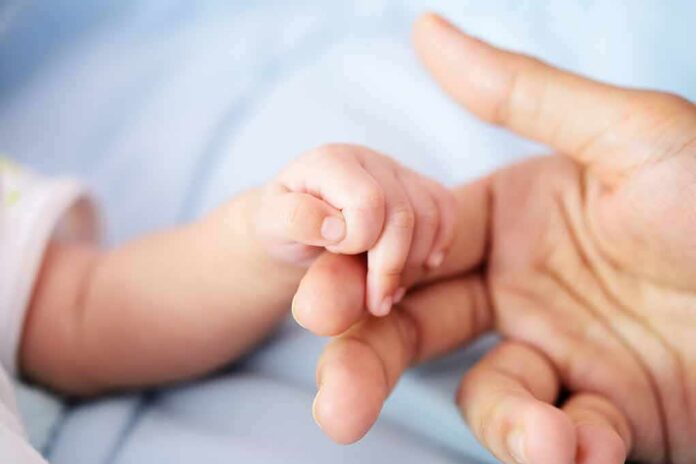
Body-camera video shows two Knoxville officers clearing a one-month-old’s airway in seconds, and the baby’s first cry follows moments later.
Story Highlights
- Knoxville Police say a 6:30 p.m. 9-1-1 call reported a one-month-old not breathing.
- Officers Clayton McWilliams and Veronica Jackson responded and cleared the baby’s airway.
- The child began breathing normally within seconds of officer arrival, according to police.
- Local outlets report the first cry about 25 seconds after the baby reached an officer’s arms.
Officers Race To Infant After Urgent 9-1-1 Call
Knoxville Police Department said officers got a 9-1-1 call around 6:30 p.m. on Wednesday about a one-month-old who was unresponsive and not breathing. The department identified the responders as Officers Clayton McWilliams and Veronica Jackson. The officers arrived and quickly moved to help the infant. The situation unfolded fast, with the officers focused on airway and breathing support. Body-camera video released by the department shows the response as it happened, including the crucial first moments on scene.
Police said the officers worked to clear the baby’s airway as soon as they reached the child. Knoxville Police Department reported that the child began breathing normally within seconds of officer arrival. A local report described the tight timeline, noting about 25 seconds from when the infant was placed into Officer McWilliams’ arms to the first cry. That detail lines up with the video released by the department and the agency’s description of the outcome. The immediate goal was simple: get air moving, fast.
What The Body-Camera Footage Shows And Confirms
Knoxville Police Department released body-camera video that captures the sprint to the scene and the quick actions to open the airway. The footage underscores how first responders save lives in the crucial first minute. Multiple outlets covered the same sequence, citing the named officers, the time window, and the successful outcome for the child. While one report misstated Officer Veronica Jackson’s first name, the department’s own posting confirms Jackson as the responder alongside McWilliams. The core facts remain consistent across reports.
The video-driven timeline helps explain why the child recovered so quickly. Officers are trained to check the airway first on any infant who is not breathing. Clearing the mouth and nose, positioning the head, and stimulating a cry can restore normal breathing. In this case, the department’s account states the child resumed normal breathing within seconds, and the video and local write-ups echo that result. This is the kind of hands-on, calm response that parents hope shows up when they dial 9-1-1.
Why This Matters For Families And Public Safety
Parents know seconds count when a baby cannot breathe. This rescue shows why fast police response, strong training, and steady funding for local departments save lives. Officers McWilliams and Jackson did what Americans expect from their police: run toward danger, act with skill, and put family first. Communities deserve that level of readiness in every zip code. Support for training and gear, including body cameras and basic medical tools, helps officers deliver when the call comes.
Conservatives value safe neighborhoods, strong families, and accountable government. Body cameras help confirm what happened, protect the innocent, and highlight real heroism when it occurs. They also build trust by showing the public how a tense scene unfolds on the ground. In this case, the footage backs up the department’s account and the local coverage. The message is clear: when officers have the training and support they need, they can protect the most vulnerable among us.
What We Know And What Comes Next
Based on the department’s account and the video clip, the officers arrived fast, cleared the airway, and the infant began breathing normally within seconds. Local media highlight the first cry at roughly 25 seconds after Officer McWilliams received the baby, showing how quickly the care worked. The available reports do not detail the infant’s medical cause or hospital follow-up. But the on-scene outcome is plain: a life-threatening moment ended with a breathing child and relieved family.
Police work often draws headlines for conflict. Stories like this show the daily reality: most calls are about service, speed, and saving lives. Families in Knoxville saw that service up close. The officers’ names deserve to be remembered: Clayton McWilliams and Veronica Jackson. Their response reflects the best of American policing. When leaders back the badge, keep politics out of the way, and focus on readiness, communities are safer, and more children make it home.
Sources:
facebook.com, youtube.com, telemundobowlinggreen.com