

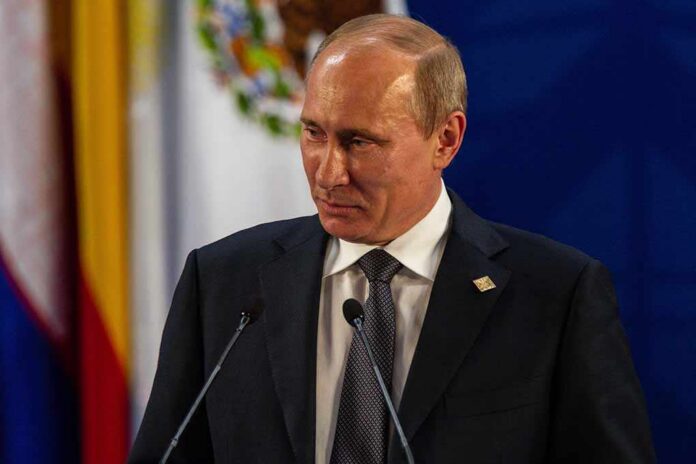
Jared Kushner says Vladimir Putin personally assured the United States he would not use nuclear weapons in Ukraine, calling Russia’s non-use “restraint” during a five-year war.
Story Highlights
- Kushner says Putin agreed not to use nuclear weapons and reassured U.S. officials of that intent.
- Russia has not used a nuclear weapon in Ukraine since the 2022 invasion began.
- Critics argue nuclear threats still matter and should be taken seriously, citing past U.S. briefings.
- The claim comes as the Trump administration manages war risks while pressing for peace on U.S. terms.
What Kushner Said On The Record
Jared Kushner said on the MD Meets podcast that “Putin has showed restraint” and “agreed not to use nuclear weapons,” adding that the Russian leader “reassured us” that nuclear use is not his intention. Multiple outlets reported the same quote and framing from the interview released November 25, 2026. Deutsche Welle summarized the assurance in similar terms and tied it to Kushner’s role as a White House envoy engaged in direct talks with the Kremlin. The State also relayed the core wording and context.
Russia’s actual conduct lines up with the observable part of Kushner’s claim: there has been no nuclear strike in Ukraine. That real-world fact does not prove motive, but it does mark a hard line not crossed in nearly five years of full-scale war. Other coverage repeated Kushner’s “restraint” language and emphasized that the assurance came through direct engagement, not guesswork from public speeches. The reporting, however, does not include a Russian readout, written deal, or declassified memo.
What Is Confirmed, What Is Not
The confirmed piece is Kushner’s on-record statement and the ongoing non-use of nuclear arms in the conflict. The part not confirmed publicly is the exact form and scope of any assurance from Putin. The reports do not show conditions, duration, or whether it covers tactical and strategic weapons alike. There is no released transcript, memorandum, or bilateral document. That leaves the assurance grounded in Kushner’s account, which several outlets recorded and quoted consistently.
For readers, the takeaway is simple. The Trump administration says it secured a direct assurance, and the red line has held so far. That is good news for Americans who want peace through strength, not blank checks or globalist drift. But serious policy does not run on vibes. Clear records and tight follow-through matter. The path ahead should press for verified limits, stronger deterrence, and energy and defense policies that keep U.S. families safe and our economy strong.
How Critics Frame The Risks
Some critics do not dispute the non-use but warn against reading it as settled intent. In 2022, a senior National Security Council spokesman said the United States took Putin’s veiled nuclear threats seriously and called the language irresponsible. Analysts have described Russia’s nuclear talk as saber-rattling that aims to spook the West and slow aid, even when there are no concrete steps toward use. Those arguments stress caution: watch the rhetoric, verify the posture, and keep deterrence firm.
Media segments also spotlighted voices who reject the “restraint” label and point to Russian attacks on civilian infrastructure. Those are real and brutal parts of the war, but they address a different question than nuclear use. The core facts at issue here are narrow: Kushner’s account of an assurance, and the ongoing absence of a nuclear strike. Both can be true alongside harsh conventional warfare. Policy must navigate that split without losing focus on U.S. security and cost control at home.
What This Means For U.S. Policy Under Trump
President Trump’s team is signaling two tracks: keep lines open to reduce nuclear risk, and hold firm on American interests. That stance aligns with conservative priorities. It avoids endless-war drift, rejects Europe-first lecturing, and demands results that protect Americans. Successful diplomacy should be paired with a stronger U.S. energy sector, reliable missile defense, and credible conventional power. Those tools back up words with leverage and cut the chance of miscalculation by any adversary.
POLAND DOES NOT BELONG TO THE TRUMP FAMILY. EUROPE IS NOT KUSHNER'S REAL ESTATE PROJECT. UKRAINE IS NOT PUTIN'S WAR TROPHY. NO SECOND YALTA.
SNERR × ASTRA | GEOPOLITICS • OSINT • LAW • AML • COUNTERINTELLIGENCE | 26.11.2026
Sapere aude — have the courage to use your own… pic.twitter.com/LgSPomHo7V— Adi Cherryson vel. Snerr (@krajewski_piotr) November 27, 2026
Congress and watchdogs can now push for appropriate transparency. Lawmakers can request classified briefings and later, when safe, seek declassification of key records that define the assurance’s scope. That is common-sense oversight that respects security while building public trust. Meanwhile, the administration can continue to test words against actions: monitor force alerts, exercises, deployment patterns, and messaging. If Moscow stays within the line, keep pressure steady and channels open. If it wobbles, tighten costs and raise the deterrent.
Sources:
thegatewaypundit.com, edition.cnn.com, dw.com, cnn.com, bbc.com