
Oklahoma County Jail deploys space-age radar to halt 59 inmate deaths since 2020, offering a smart, privacy-respecting fix that puts American ingenuity over wasteful government overreach.
Story Snapshot
- Oklahoma County Jail installs biometric life detection radar in 43 high-risk cells to monitor vital signs non-invasively.
- 59 detainee deaths since 2020, including 8 in 2025, drive the $49,500 initiative targeting mental and medical risks.
- Technology from outer space origins detects breathing and heart rates through blankets, alerting staff without data storage.
- Greg Couch calls it a “force multiplier” augmenting checks, not replacing them, in a facility plagued by tragedies.
Jail’s Deadly History Prompts Action
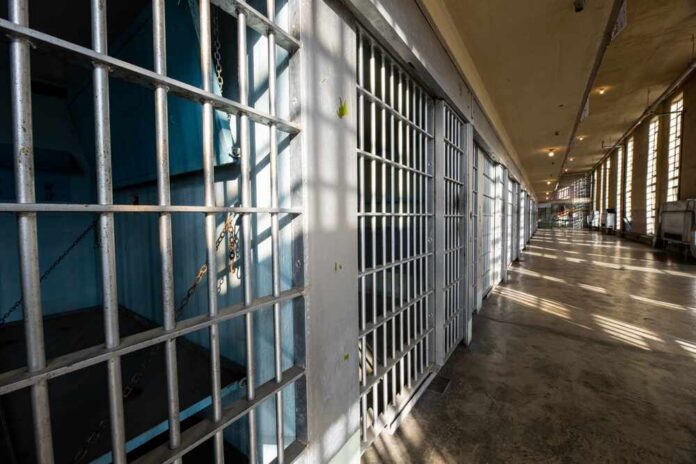
Oklahoma County Criminal Justice Authority took over the jail in July 2020 amid rising detainee deaths. By July 3, 2025, Everett Edwards became the 59th to die, the eighth that year alone from medical emergencies and other causes. Chronic issues in high-risk populations on the 13th floor demanded intervention. Officials contracted Integrity Communications Solutions for $49,500 to equip 43 cells with radar, prioritizing proactive monitoring over endless taxpayer-funded failures.
Space Radar Revolutionizes Monitoring
The biometric life detection system uses 60 GHz short-range radar, first designed for outer space, to capture 50,000 micro-movement measurements per second. It tracks pulse and chest motion through blankets or darkness, displaying green for normal vitals and red for anomalies like heart attacks or self-harm. Doctors set parameters for real-time alerts to staff via internal networks. No wearables or personal data retention ensures privacy in this non-invasive approach.
Installation Progress and Stakeholder Roles
By late July 2025, six units operated on the 13th floor with 37 more shipped, aiming for full rollout by August’s end. Greg Couch, jail chief of infrastructure and technology, oversees deployment and stresses it augments human sight checks. Officials like Timmons hail it as a game-changer for the troubled facility. The Oklahoma County authority drives reductions in deaths and litigation through this efficient tool.
Vendor Integrity provides the BLDS without storing personally identifiable information, addressing conservative concerns over surveillance overreach. Staff gain centralized monitoring to respond faster, allowing high-risk inmates undisturbed sleep while enhancing safety.
"Radar device could help tackle growing number of prison deaths, scientists say" on SmartNews: https://t.co/wt5bViSzHv #SmartNews
— Sheryl Gapuz 🙏✝️🙏 (@SherylGapuz08) March 29, 2026
Proven Potential and Broader Impacts
Similar FDA-cleared radar like Xandar Kardian’s XK300 has saved lives through just-in-time interventions in corrections. Short-term gains include rapid anomaly detection; long-term, scaled use could cut national custody deaths amid data gaps. Economic benefits feature low maintenance costs versus endless deaths’ fallout. This Oklahoma pilot sets a precedent for practical tech solving real problems without eroding liberties.
For families and communities weary of jail mismanagement, the system promises accountability and lives saved. It counters leftist demands for more spending with targeted innovation rooted in American exceptionalism.
Sources:
Xandar Kardian Correctional Health Solutions
Echodyne at 2026 ACA Winter Conference