

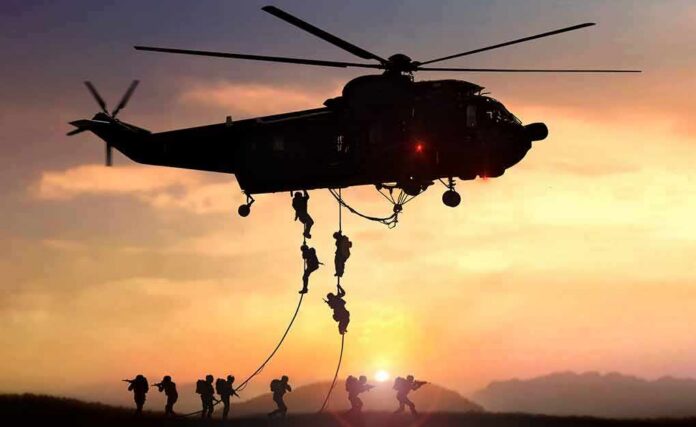
El Salvador’s president launched a rescue mission after four aviation technicians were kidnapped in Haiti, putting gangs on notice.
Story Highlights
- President Nayib Bukele announced a military operation to rescue four Salvadorans kidnapped in Haiti.
- The missing men are aviation technicians who supported medical evacuations, not combat missions.
- Bukele warned Haitian gangs to return the hostages alive or face severe consequences.
- The technicians served in a United Nations-backed multinational security effort in Haiti.
Bukele Confirms Hostage Situation and Orders Rescue
President Nayib Bukele said four Salvadoran aviation technicians were taken hostage in Haiti and announced a military rescue operation to bring them home alive. He stated the mission has a single goal: return the men without harm, and restore the status quo once they are safe. He tied the technicians’ work to lifesaving tasks, emphasizing they supported evacuations and aid, not warfighting. He also set a clear red line with gangs: release them alive, or expect a stronger response.
Reports from several outlets align on the core facts. The four men disappeared after an attack near the capital region, and El Salvador moved quickly to respond. Bukele’s statement framed the crisis as a hostage event carried out by Haitian gangs, and he presented the rescue as active and ongoing. While authorities initially used “missing” in early notes, Bukele’s public message identified the situation as a kidnapping and put gang leaders on direct notice to avoid escalation.
Who the Hostages Are and Why They Were in Haiti
The four Salvadorans were described as aviation or aeronautical technicians, part of a team assigned to medical evacuations and related support work, not front-line fighting. El Salvador sent pilots and technical staff to help stabilize conditions and save lives during a fragile period in Haiti. Their deployment connected to a multinational security mission that carried United Nations backing, creating an international framework for operations and cooperation with Haitian authorities. Their noncombat roles make the abduction even more alarming for partner nations.
Kidnapping in Haiti has been a recurring tactic for armed groups. Past United Nations records show surges in abductions and efforts to break these networks through joint actions with police. That pattern helps explain why Salvadoran leaders treated the disappearance as a likely hostage crime and demanded immediate release. It also underscores how criminal groups use kidnappings to project power and seek leverage. Bukele’s message aimed to shut that door and deter further attacks on foreign personnel.
What Bukele’s Warning Means for Gangs and the Region
Bukele warned that “today’s attack is nothing compared to what’s coming” if the hostages are not returned alive, signaling readiness to escalate against the responsible gangs. The warning pairs a firm threat with a specific off-ramp: return the men, alive and unharmed, and conditions go back to how they were before the kidnapping. That approach sets a measurable outcome and keeps the focus on the hostages’ safe return. It also tells criminals that targeting noncombatants will bring swift consequences.
🇸🇻🇭🇹 Nayib Bukele launches a military operation to rescue four Salvadoran aviation technicians kidnapped by gangs in Haiti, warning of further action if they aren't released unharmed. pic.twitter.com/CrrWpOzwM0
— Curio 𝑿 (@curious_X_) October 22, 2026
For Americans watching the region, this matters. Gangs thrive when weak borders, failed policy, and soft responses let crime spread. Haiti’s chaos fuels trafficking and instability that can push north. Clear rules, strong borders, and firm consequences protect families here at home. Bukele’s stance echoes that reality: protect innocent people, reject ransom politics, and confront violent gangs. One brief caveat is that early military notes called the men “missing,” but Bukele’s position now drives the rescue effort.
Sources:
zerohedge.com, apnews.com, audacy.com, newsday.com, x.com, haitilibre.com