

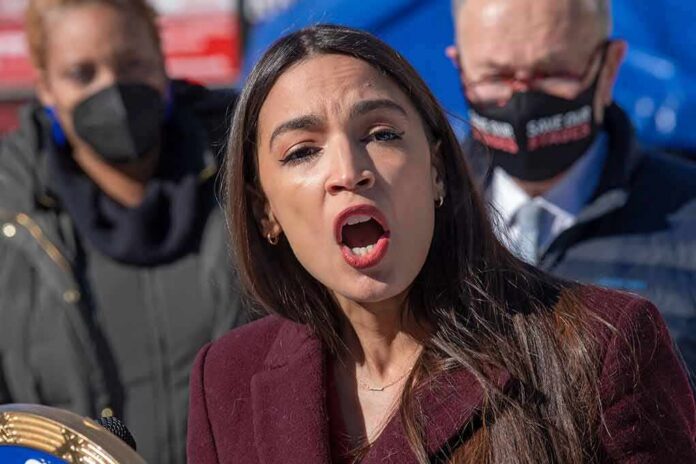
After calling recent Black hanging deaths “modern-day lynchings,” Rep. Alexandria Ocasio-Cortez demanded sweeping federal probes even as multiple cases were ruled suicides and one Mississippi case advanced as a targeted homicide review, not racial terror.
Story Snapshot
- Rep. Ayanna Pressley urged the Justice Department and Federal Bureau of Investigation (FBI) to probe every Black hanging death nationwide.
- Rep. Alexandria Ocasio-Cortez echoed “modern-day lynchings,” citing “10 reported hangings” without a public master list.
- Reporters noted many cited cases were ruled suicides, while one Mississippi case moved forward as a homicide investigation.
- Calls for new federal data systems admit current evidence is incomplete, raising credibility questions.
What lawmakers demanded and why it matters
On September 10, Rep. Ayanna Pressley led nearly 60 lawmakers urging the Department of Justice and FBI to investigate every hanging death of a Black person in the United States. The letter framed the events as a possible pattern with civil-rights stakes and pushed for national data tracking built by federal agencies. This is a major step because it seeks to federalize reviews that local police and medical examiners often close as suicides, shifting power from states to Washington.
Rep. Alexandria Ocasio-Cortez publicly backed the push the same day, stating there were “already 10 reported hangings” this year and calling them “modern-day lynchings” that require a federal probe “now”. Her post spread fast and set the frame as racial terror. But her count did not come with a public case list or method. That gap matters. Without shared facts, the debate risks becoming emotion over evidence, and it invites confusion about what is proven and what is not.
What we actually know from key cases
CNN reported Jackson, Mississippi police were investigating the August death of 29-year-old Tasia Fortune, found hanging near an abandoned house, as a homicide. The chief said the department treated it as a homicide from day one until the medical examiner ruled otherwise. This is not a suicide ruling or a racial motive finding. It shows a serious, open criminal review. It also shows why sweeping claims blur the line between separate case types.
Conservative outlets and others pushed back on the “lynching” frame by noting several recent hangings had been ruled suicides by local authorities and medical examiners. They argued that treating all cases as racial terror ignores official findings and mixes different facts into one alarmist story. This counterpoint aligns with common sense: each death needs case files, autopsy details, scene evidence, and witness timelines. Numbers without a list do not meet that test.
Data gaps, federal reach, and the risk of overreach
Pressley’s letter asked for “robust data collection” on Black hanging deaths built at the federal level, which implies that today’s records are not complete or consistent. Better data can help honest policing and transparency. But there is a line. A blanket federal takeover of every such death risks politicizing routine local cases and overwhelming limited resources. Washington should focus where civil-rights evidence exists or where local work is clearly deficient.
Time Magazine’s 2020 report showed the FBI and the Department of Justice Civil Rights Division have stepped into hanging cases before, including in California, to check for federal-law violations. That precedent supports careful federal reviews in select cases. It does not support a permanent presumption that every hanging is a hate crime. The right standard is targeted intervention backed by specific evidence, not a national dragnet that starts with a conclusion.
How conservatives should read the rhetoric
Lawmakers and activists know strong language grabs attention. But branding unresolved and dissimilar deaths as “modern-day lynchings” can deepen fear, divide neighbors, and short-circuit due process. It also pressures investigators to chase politics over proof. Responsible leaders must start with facts, not hashtags. Build a public, verified case list. Share autopsy rulings, timelines, and updates. Respect local findings unless new evidence demands a change.
President Trump’s administration must balance civil-rights enforcement with federal restraint. The path forward is clear: back targeted federal reviews when there is credible evidence, support local agencies in getting the facts right, and publish transparent data standards the public can see. Justice needs calm, not clout-chasing claims. Every family deserves truth, and every officer deserves a fair process based on evidence, not politics.
Sources:
facebook.com, foxnews.com, amsterdamnews.com, atlantablackstar.com, time.com