
When a U.S. consulate can be rushed by armed rioters abroad, Americans get a blunt reminder that anti-American fury doesn’t stay “over there” for long.
Quick Take
- Hundreds of protesters attempted to storm the U.S. Consulate General in Karachi, Pakistan, reportedly using metal rods and wooden planks to break in.
- Pakistani security forces opened fire, and local media reported at least eight protesters were killed.
- The violence followed news tied to Iran’s leadership turmoil after reports of Ayatollah Ali Khamenei’s death during Israeli operations.
- The incident unfolded alongside the heaviest Pakistan-Afghanistan border fighting in years, with claims and counterclaims that remain hard to verify.
Armed Crowd Targets U.S. Facility in Karachi
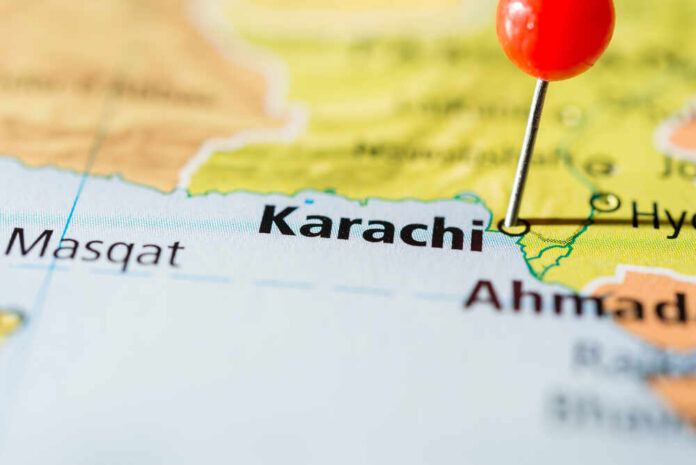
Karachi saw a sudden, violent escalation when hundreds of protesters surged toward the U.S. Consulate General and tried to force entry, according to reporting that cited local media and video from the scene. The group reportedly carried metal rods and wooden planks and attempted to shatter windows to breach the building. Pakistani security forces responded with gunfire, and at least eight protesters were reported killed. Official U.S. statements were not available in the provided reporting.
The immediate trigger described in the reporting was regional rage linked to Iran, after news circulated that former Iranian supreme leader Ayatollah Ali Khamenei had been killed amid Israeli operations referred to as “Roaring Lion” and “Epic Fury.” That connection matters because U.S. diplomatic sites often become stand-ins for broader anger about Washington’s perceived alliances. Even when the United States is not a direct party to an incident, the flag on the building makes the message unmistakable.
Border War Pressure Cooker: Pakistan vs. Taliban-Run Afghanistan
The consulate attack also landed amid a wider security crisis on Pakistan’s western border. Pakistan and Afghanistan have traded blame for years over cross-border militancy, with Pakistan accusing Taliban-run Afghanistan of sheltering Tehreek-e-Taliban Pakistan (TTP) militants. Afghanistan has denied those claims and framed Pakistan’s internal violence as Pakistan’s responsibility. In the past week, Pakistan launched airstrikes on what it called militant infrastructure, under an operation it named “Ghazab Lil Haq.”
Afghanistan retaliated on Feb. 26 with attacks on Pakistani border positions, according to the same cluster of reports. Separate accounts said Pakistani jets were later seen over Kabul, and Afghan air defenses fired in response amid explosions and gunfire. Complicating the picture, both sides reportedly claimed heavy losses against the other, but those figures were described as unverified. Regional and international actors urged restraint, highlighting how fast a localized border exchange can become a broader conflict.
Competing Claims, Limited Verification, and What We Can Confirm
Several key details in the available reporting are clear: a crowd attempted to breach the Karachi consulate compound; security forces fired; and fatalities were reported. Beyond that, readers should separate what is stated from what is proven. The reporting notes uncertainty around casualty counts and battlefield claims along the border. It also notes that some elements—such as the linkage between Khamenei’s reported death and the Karachi violence—were not independently confirmed across all sources cited.
Diplomatic Sites as Flashpoints—and Why Americans Should Pay Attention
History shows U.S. diplomatic facilities in Pakistan have been targeted before, including a 2010 Taliban assault on a U.S. consulate in Peshawar that was repelled. That precedent is worth remembering because consulates are not military bases; they are symbols of American presence, policy, and people abroad. When host nations face surging instability—whether from border clashes, terror networks, or regional wars—those symbols become magnets for mobs, militants, or opportunists.
For Americans watching from home, the practical takeaway is straightforward: this type of incident can quickly drive tighter security postures, disrupted travel, and heightened regional tension that affects U.S. interests. The most responsible conclusion from the evidence available is not to speculate about hidden plots, but to recognize a pattern: weak order and inflamed ideology abroad can put American personnel and facilities at risk, and that risk often rises when regional conflicts collide.
Sources:
US consulate in Pakistan stormed by protesters
Peshawar attack: suicide bombers strike US consulate in Pakistan
Iran leader supporters try to breach U.S. consulate in Pakistan