

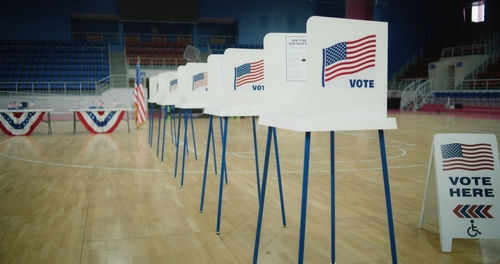
A coalition of nonpartisan reformers is rallying to break the stranglehold of rigged primaries that lock out millions of independent voters while extremists hijack both major parties—and they’re positioning 2026 as the pivotal battleground for election reform.
Story Highlights
- National Association of Nonpartisan Reformers held its 9th Annual Summit in Miami, charting aggressive 2026 election reform strategies
- Over 16.6 million independents remain disenfranchised in closed primary states while 80-90% of congressional races are decided before general elections
- Alaska’s 2022 open primary and ranked-choice voting reforms doubled voter impact, providing a blueprint for nationwide change
- States including Oklahoma and Pennsylvania are advancing ballot measures to open primaries amid growing independent voter frustration
Nonpartisan Coalition Targets Broken Primary System
The National Association of Nonpartisan Reformers convened its December 2025 summit in Miami with a unified mission: capitalize on political chaos to overhaul America’s dysfunctional election machinery. Executive Director Andy Moore characterized 2025’s gerrymandering wars and partisan extremism as creating “enormous opportunity for reform” heading into the 2026 midterms. The coalition, founded in 2017 by groups including Unite America, FairVote, and Open Primaries, emerged from recognition that closed primaries and low-turnout partisan contests systematically exclude independent voters while empowering fringe elements in both parties. This represents a direct assault on representative democracy, silencing the voices of millions who reject partisan labels.
Millions Locked Out While Extremists Contrl Nominations
Current primary systems disenfranchise 16.6 million independent voters across sixteen states with closed primaries, forcing taxpayer-funded elections that exclude large segments of the electorate. Unite America Executive Director Nick Troiano identified what he calls the “Primary Problem”—80% of Senate races and 90% of House contests are effectively decided in low-turnout primaries before general elections occur. This creates a rigged system where partisan activists select candidates in races where the November outcome is predetermined by gerrymandered districts. The result pulls both parties away from mainstream voters toward ideological extremes, leaving independents—now comprising one in four Maryland voters and growing rapidly among Hispanic and Asian Americans—without meaningful representation in the electoral process.
Alaska Model Proves Reform Effectiveness
Alaska’s 2022 implementation of top-four open primaries combined with ranked-choice voting delivered concrete results that reformers are leveraging as evidence for nationwide adoption. The system, backed by Unite America funding, doubled the number of voters whose ballots meaningfully influenced election outcomes by ensuring all voters participate in candidate selection regardless of party registration. This structural change forces candidates to appeal beyond narrow partisan bases to compete effectively. Nick Troiano argues open primaries eliminate the “heads I win, tails you lose” dynamic where party insiders control access to the ballot. For conservatives frustrated by establishment Republicans who ignore grassroots concerns, open systems could empower broader coalitions while maintaining accountability through general election competition rather than backroom party machinery.
Multiple states are advancing similar reforms for 2026 implementation. Oklahoma is pursuing open primary ballot measures, Pennsylvania lawmakers are considering structural changes, and New Mexico already permits independents to participate in party primaries through bipartisan legislation. Maryland reformers, representing nearly one million independent voters, continue pushing for primary access despite initial legislative setbacks. The Unite America coalition has invested in fifty successful reform initiatives since 2019, building momentum through philanthropic funding and grassroots organizing. Andy Moore emphasized that reform advocates must collaborate rather than operate in isolation, describing a “vibe shift” from despair over political division toward optimistic action focused on structural solutions rather than partisan positioning.
Constitutional Concerns and Path Forward
While reformers frame their agenda as expanding voter access, conservatives should scrutinize whether ranked-choice voting and open primaries genuinely strengthen representative government or simply redistribute power among different elite factions. The core principle remains sound: taxpayer-funded elections should serve all citizens, not function as private party nomination contests. Closed primaries that exclude independents while forcing general election participation represent taxation without representation. However, ranked-choice systems introduce complexity that may obscure accountability and confuse voters about how their ballots translate into representation. The 2026 midterms will test whether these reforms deliver on promises of reduced polarization and increased accountability, or whether they create new mechanisms for manipulation by well-funded interests operating under nonpartisan labels.
Sources:
Nonpartisan Reformers Unite: NANR Summit Charts Bold Path for Election Reform in 2026
The Primary Problem Looming Over 2026