
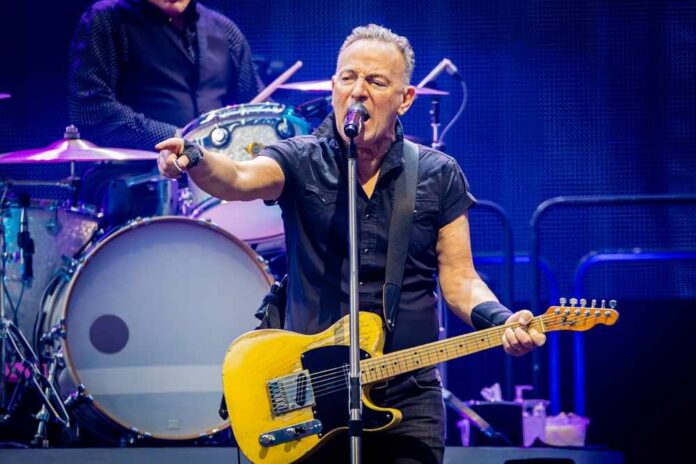
Bruce Springsteen’s “No Kings” tour is selling an anti-Trump message while asking some fans to pay up to $3,000 to get in the door.
Quick Take
- Fans reacted angrily after “No Kings” tickets were listed as high as $3,000, with Uniondale, New York highlighted as a flashpoint.
- The tour branding leans anti-Trump and anti-elite, creating a backlash over perceived hypocrisy tied to sky-high pricing.
- Ticketmaster’s dynamic pricing model is central to how prices rise quickly with demand, limiting predictability for everyday buyers.
- Springsteen had faced similar blowback in prior tour cycles, and this new round could fuel renewed political pressure for ticketing reform.
$3,000 “No Kings” Tickets Ignite a Familiar Backlash
Reports on March 7, 2026 centered on fans furious that Bruce Springsteen’s newly announced “No Kings” tour is listing some seats for as much as $3,000. The anger is not just about sticker shock; it’s about the tone of the marketing. The tour is promoted with political messaging aimed against President Trump, yet the sales experience is leaving many longtime supporters feeling priced out.
Ticket listings and availability are being handled through Ticketmaster, where pricing can fluctuate rapidly once demand spikes. That system leaves many buyers with a whiplash experience: one moment tickets look plausible, and the next they appear far outside a normal household’s entertainment budget. In this case, the controversy is amplified because the “No Kings” label implies populism and anti-elitism while the checkout page suggests exclusivity.
Dynamic Pricing Shifts the Blame—But Doesn’t Fix the Outcome
Ticketmaster’s dynamic pricing model is designed to move prices with demand, pushing more revenue toward the primary seller rather than letting all the upside flow to scalpers on resale markets. In practice, it also means fans cannot reliably plan for a consistent face value, especially for major legacy acts with a loyal fan base. Ticketmaster’s pages show the tour for sale, but they do not inherently guarantee affordability or transparency.
Springsteen is not new to ticket-price controversy. Prior tour cycles brought widespread complaints when dynamic pricing and resale markets produced eye-popping totals, including reports of seats hitting several thousand dollars. Those episodes became part of the broader national debate over Live Nation–Ticketmaster’s market power and how much leverage artists really use when they sign on to these systems. This time, the politics attached to “No Kings” makes the pricing debate harder to separate from values.
When Celebrity Politics Meets Working-Class Branding
Springsteen built his image on blue-collar storytelling and songs that speak to economic strain, even as his activism over the years has aligned with Democratic candidates and anti-Trump messaging. The “No Kings” tour theme leans into America’s cultural divide, but the consumer experience is where many fans say the message collapses. People who grew up viewing him as “the everyman” now see a product positioned for higher-income buyers.
The available reporting does not show a direct public response from Springsteen addressing the $3,000 figure or how pricing decisions were made for specific markets. That absence matters because outrage tends to grow when fans feel ignored, especially in an economy where families still feel squeezed by years of inflation and rising costs. Without clear answers, the ticketing platform becomes the convenient villain, while the artist’s role remains debated but unresolved.
What This Fight Signals for Consumers and Policy
The short-term risk is straightforward: frustration can turn into boycotts, bad press, and damage to an artist’s relationship with the audience that built his brand. The longer-term impact could land in Washington and state capitals, where lawmakers periodically float ticketing reforms after high-profile pricing blowups. The fundamental issue is not partisan—families want honest prices—but attaching an anti-Trump slogan to premium-level costs makes the backlash politically combustible.
Fans Outraged by Massive Cost of Tickets for Lefty Bruce Springsteen's 'No Kings' Tour https://t.co/OMm4RfKH1C #gatewaypundit via @gatewaypundit What else would you expect from a POS & SoyBoy?
— Bob P (@blueharleyman) March 8, 2026
For conservatives watching the culture closely in 2026, the lesson is less about one musician and more about how elite messaging often travels with elite pricing. If “No Kings” is meant to critique power, many voters will notice who gets access when prices reach thousands of dollars. Until ticketing becomes more transparent and competitive, consumers will keep facing a system where algorithms, not loyalty, decide what “the working class” can afford.
Sources:
https://www.ticketmaster.com/bruce-springsteen-tickets/artist/736179