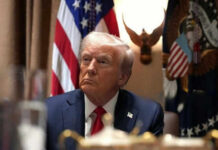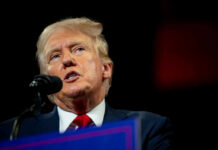


Iran’s hardline clerics just installed Ayatollah Ali Khamenei’s vengeful son as Supreme Leader, delivering a direct slap to President Trump’s face amid escalating war strikes.
Story Snapshot
- Iran’s Assembly of Experts appoints Mojtaba Khamenei, son of slain Supreme Leader, on March 9, 2026, rejecting U.S. compromise.
- Mojtaba, more hardline than his father, signals revenge for family deaths in U.S.-Israeli strikes and intensified confrontation.
- Street celebrations in Tehran follow state TV confirmation, despite predictions of iron-fist repression and IRGC dominance.
- Experts call it a wake-up call and humiliation for Trump, locking in hardliners over reformists.
Timeline of the Succession
On February 28, 2026, U.S.-Israeli strikes killed Supreme Leader Ayatollah Ali Khamenei and family members during the initial bombing campaign. Iran responded with missile and drone attacks across the region. Exactly nine days later, on March 9, Iran’s Assembly of Experts selected Mojtaba Khamenei as successor. Iranian state television confirmed the appointment that Monday, reporting street celebrations in Tehran amid ongoing war. This wartime familial handover breaks from typical peacetime successions.
Mojtaba’s Hardline Profile and Motivations
Mojtaba Khamenei, around 56 years old, trained as a cleric in Qom and built ties with the Islamic Revolutionary Guard Corps as an informal power broker. Labeled a mini-supreme leader, he faced U.S. Treasury sanctions in 2019 for representing his father unofficially. Now Supreme Leader, personal losses including his wife and mother fuel revenge motives against U.S. and Israeli strikes. His rise empowers IRGC backers, sidelining reformists who might seek deals with President Trump.
Key Players and Power Shifts
The Assembly of Experts made the decision, influenced by IRGC leaders and senior clerics. President Trump previously deemed Mojtaba unacceptable, while Israel warns all successors remain targets. IRGC dominates Iran’s security, economy, and proxies, expecting greater authority under Mojtaba. Hardliners consolidate power, rejecting diplomacy amid domestic unrest from economic collapse, inflation, and protests. Regional insiders see this as a rebuke to Trump, signaling fight to the finish.
Clerics frame Ali Khamenei’s death as martyrdom like Imam Hussein, rallying support despite war strains on Iran’s economy and society. Pre-war dissent, the bloodiest since 1979, faces harsher crackdowns.
Implications for War and U.S. Interests
Short-term, expect no compromise, harsher domestic repression, and IRGC expansion as strikes continue on fuel depots and widen to Gulf states. Long-term, entrenched confrontation sustains proxy conflicts, with U.S. and Israel eyeing leadership targeting. Iran’s nuclear policy and foreign stance harden, worsening regional reverberations. Iranians suffer intensified controls amid poverty and currency collapse.
Expert Alex Vatanka of the Middle East Institute calls it a big humiliation for the U.S., sticking to the hardline playbook. Paul Salem notes no deal-making capacity. Former U.S. diplomat Alan Eyre warns Mojtaba is even worse, revenge-driven and favored by the Guards. Analysts highlight miscalculation risks in this defiant succession gamble.
Sources:
More hardline than his father, Mojtaba Khamenei’s appointment signals defiance and revenge