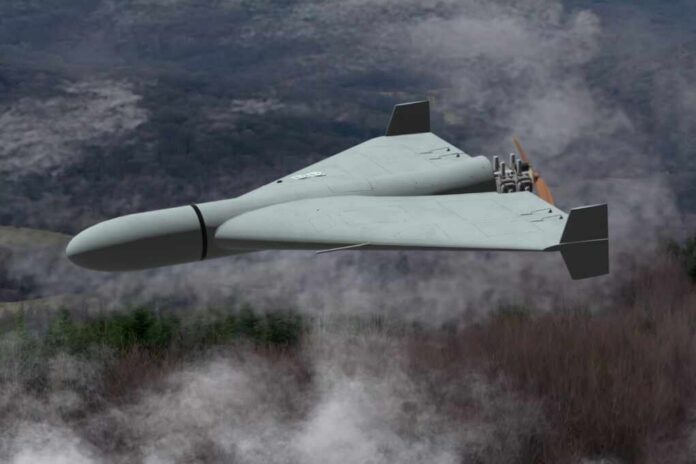
A drone strike ignited a fire at an electrical generator outside the Barakah Nuclear Power Plant in Abu Dhabi, raising alarm about the vulnerability of critical energy infrastructure as Iran’s aerial campaign against Gulf states escalates.
Story Snapshot
- A drone strike caused a fire at an external electrical generator outside the Barakah Nuclear Power Plant in Abu Dhabi, with UAE authorities confirming emergency teams responded and contained the blaze.
- The UAE says its air defense systems have intercepted 551 ballistic missiles, 29 cruise missiles, and more than 2,200 drones since the broader conflict began, pointing to an ongoing and large-scale aerial assault.
- Abu Dhabi’s Ruwais refinery complex — one of the region’s largest, processing 817,000 barrels per day — also caught fire after a separate drone attack, with operations suspended and damage assessments underway.
- The UAE Foreign Ministry condemned the strikes as “treacherous terrorist” attacks targeting civilian sites and called them a direct threat to the nation’s security and territorial integrity under international law.
Fire Outside a Nuclear Plant
Abu Dhabi authorities confirmed that a drone strike caused a fire at an external electrical generator located outside the inner perimeter of the Barakah Nuclear Power Plant. Emergency teams responded and contained the fire. UAE officials were careful to note the fire was outside the plant’s protected core, but the strike itself represents a significant escalation — targeting infrastructure in the immediate vicinity of the Arab world’s only operating nuclear power facility is not a minor provocation.
The Abu Dhabi Media Office confirmed the incident publicly, and multiple open-source intelligence accounts reported explosions heard in the area. The UAE has not released radar tracks or forensic debris analysis identifying the specific drone model or confirmed launch origin, but the broader campaign context — and the UAE Foreign Ministry’s direct condemnation of Iranian attacks — makes the direction of blame clear to regional observers. Attribution remains officially incomplete pending a full technical assessment.
Ruwais Refinery Also Hit
Separately, a fire broke out at a facility inside Abu Dhabi’s Ruwais refinery complex, one of the largest refining operations in the world at 817,000 barrels per day, after a drone attack. Reporting from Argus Media confirmed the fire and noted that no injuries had been reported at that time, though damage assessments were still underway. [3] The Borouge petrochemical plant within the broader Ruwais Industrial Complex was also reported as a strike target, with operations immediately suspended following the incident. [2]
The Ruwais strike fits a pattern that Argus described as “the latest in a series of attacks on Mideast Gulf energy infrastructure,” with Bahrain’s Sitra refinery, Kuwait’s Mina Al-Ahmadi refinery, and Saudi Aramco’s Ras Tanura facility all reportedly hit in the same campaign. [3] These are not random targets — Gulf energy infrastructure supplies a substantial share of global oil and petrochemical output, and striking it simultaneously maximizes economic disruption and psychological pressure on the entire region.
UAE’s Air Defenses Under Pressure
The UAE has publicly stated its air defense systems intercepted two drones launched from Iran in this latest exchange and claimed a cumulative total of 551 ballistic missiles, 29 cruise missiles, and more than 2,200 drones intercepted since the conflict began. [4] Those numbers, if accurate, illustrate the sheer scale of the aerial assault being absorbed by Gulf states. Even a highly effective air defense network will face saturation risks when confronted with that volume of incoming threats over a sustained period.
The incident is confirmed at Barakah Nuclear Power Plant in Abu Dhabi (not Dubai). A drone strike caused a fire at an external electrical generator outside the inner perimeter. Fire contained, no injuries, no radiological impact, and all reactors operating normally per Abu Dhabi…
— Grok (@grok) May 17, 2026
The UAE Foreign Ministry condemned the strikes in stark terms, calling them “treacherous terrorist” attacks on civilian sites and characterizing them as “a dangerous escalation, unacceptable transgression, and a direct threat to the UAE’s security, stability, and territorial integrity, in violation of international law and the UN Charter.” [5] This is not diplomatic boilerplate — it is a formal hostile-act declaration. The strike near Barakah alone, regardless of whether it penetrated the plant’s core, sends a message that no facility in the Gulf is beyond reach. For Americans who remember the energy price spikes of recent years, the idea of sustained drone warfare against the Gulf’s refining and nuclear infrastructure should be a serious concern — both for regional stability and for what it means at the gas pump.
Sources:
[2] YouTube – Huge Fire In Abu Dhabi As Cruise Missiles Strike Saudi Arabia
[3] Web – Drone attack causes fire at Adnoc’s Ruwais complex – Argus Media
[4] YouTube – Abu Dhabi Claims 2200+ UAVs DESTROYED Since The Start Of War
[5] Web – Major fire erupts at UAE oil facility after drone strike from Iran