
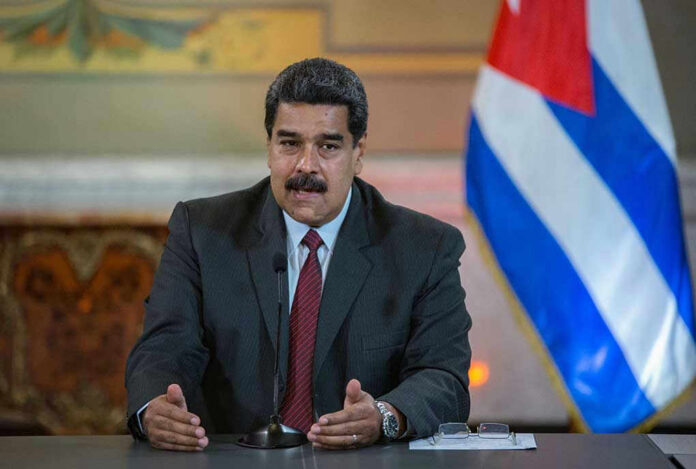
Nicolás Maduro and his wife asked a U.S. judge to toss drug charges by claiming head-of-state immunity, thrusting a major test of American law and sovereignty into a New York courtroom.
Story Snapshot
- Defense filings argue heads of state cannot face U.S. criminal prosecution.
- Lawyers say immunity also covers alleged “official acts,” even if personal immunity fails.
- Judge set a briefing schedule and arguments, signaling a real legal test ahead.
- Analysts say U.S. nonrecognition of Maduro undercuts personal immunity claims.
Defense Positions Filed in Manhattan Federal Court
Defense lawyers filed motions in Manhattan federal court asking to end drug charges against Nicolás Maduro and his wife, Cilia Flores. They argued the indictment cannot proceed because heads of state are exempt from another country’s criminal courts. The filing states this rule is older than the common law and shields sitting leaders from foreign prosecution. Reporters quoted the brief’s language and confirmed the request for dismissal on immunity grounds, citing head-of-state status and first-lady standing.
The defense also asked the court to dismiss the case on conduct-based immunity if the judge rejects personal immunity. They said alleged actions tied to governing, if proven official, are immune from suit in foreign courts. Coverage described this as a fallback claim that would apply to “official acts” done while in power. Reporters tied this argument to longstanding international law concepts that U.S. courts sometimes apply in sensitive cases involving foreign leaders.
The Legal Hurdles: Recognition and “Official Acts”
Legal analysts warned the head-of-state claim faces a key obstacle: the United States has not recognized Maduro as Venezuela’s legitimate head of state since 2019. In U.S. courts, executive-branch recognition often controls whether a person qualifies for personal immunity. If the United States does not recognize Maduro as the sitting leader, the personal immunity theory may fail at the threshold. Commentators highlighted this point as a central weakness in the filing.
Experts also questioned the conduct-based immunity claim because drug trafficking is not an “official act.” That doctrine typically protects prior officials for actions taken in their formal roles, not private or criminal conduct. Analysts said this line will likely be decisive if the court reaches the fallback theory. If the alleged conduct is drug trafficking, the court could treat it as private, not sovereign business, and deny immunity under that rule.
Court Schedule Signals a Real Test Ahead
Coverage reported the judge set a schedule to brief and argue the motions, which shows the court will test the immunity claims rather than ignore them. Prosecutors must respond by a set date, and oral arguments are slated for a later hearing. That timeline ensures both sides air the legal issues in full. The reporting did not identify a ruling yet, so the outcome remains open as the court reviews the arguments and the record.
Commentary compared the case to past prosecutions of foreign strongmen in U.S. courts. Analysts noted that once the United States stops recognizing a leader, personal immunity typically disappears. They pointed to doctrine developed in federal cases and summarized by court-watch outlets. That analysis underscores why recognition, not politics, may decide this fight. The question before the judge tracks who the United States treats as head of state and whether the charged acts count as official.
Why It Matters for U.S. Sovereignty and Security
American readers care because this case tests whether a foreign ruler can claim broad immunity inside our courts while facing serious drug charges. A dismissal on immunity grounds would send a signal that recognition battles can shield leaders from prosecution here. A denial would affirm that U.S. recognition and the nature of the conduct control access to our justice system. The court’s choice will shape how America handles future cases involving cartel ties, corruption, and foreign power politics.
What Comes Next for the Trump Administration
President Trump’s administration oversees the prosecution and the executive recognition posture. Prosecutors will file their response on schedule, likely stressing nonrecognition and the private nature of alleged drug crimes. The court will then hold arguments and consider whether either immunity theory applies. Until the judge rules, Maduro remains under the indictment, and the legal stakes for U.S. sovereignty, border security, and rule of law remain high. The result will echo far beyond one courtroom.
Sources:
usnews.com, scotusblog.com, abcnews.com, apnews.com