
Chicago’s decision to roll an “Abolish ICE” slogan onto a city snowplow shows how a basic public-works job can be turned into an election-season message about borders, enforcement, and who runs the culture.
Story Snapshot
- Chicago Mayor Brandon Johnson unveiled a snowplow named “Abolish ICE,” the winner of the city’s fourth annual naming contest.
- The name was selected through public submissions and resident voting tied to six snow districts, with voting ending Feb. 14, 2026.
- Local reporting describes public outcry over politicizing a city program, while city officials have not indicated they will change the name.
- Coverage referencing a Loyola student’s death appears in the broader public debate, but available sources do not confirm a direct connection to the snowplow contest outcome.
How a City Snowplow Naming Contest Became a Political Flashpoint
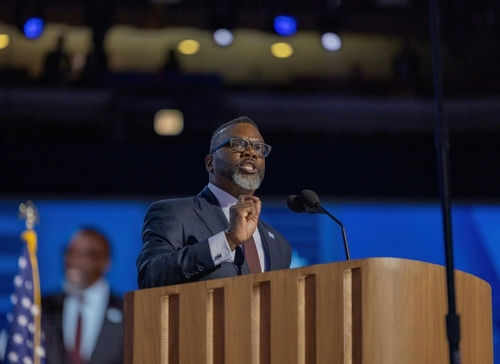
Mayor Brandon Johnson publicly unveiled the “Abolish ICE” snowplow on March 25, 2026, after it won Chicago’s annual snowplow naming contest. The Chicago Department of Streets and Sanitation runs the contest as a public engagement effort, but this year’s winning name carried an explicit political message rather than a typical pun or local reference. The mayor emphasized it was the contest winner, and the city has not announced plans to rename it.
Chicago’s process combined open submissions with a shortlist of finalists and a public vote. ABC7 Chicago reported the city named 25 finalists and then opened voting for top names associated with six snow districts, with voting ending Feb. 14 through the city’s contest website. That structure matters because it clarifies the city didn’t simply “assign” the slogan in-house; residents helped choose it, and the mayor’s unveiling then amplified the message into a broader statewide and national story.
What the Slogan Signals in a Sanctuary-City Era
“Abolish ICE” is not a neutral phrase. It is tied to a national progressive movement that argues Immigration and Customs Enforcement should be dismantled, especially after high-profile immigration debates of the last decade. Chicago’s critics see the slogan as legitimizing an anti-enforcement posture inside a city agency tasked with public safety-adjacent services. Supporters view it as a statement of immigrant inclusion. What’s clear from the reporting is that the slogan shifted a normally lighthearted civic contest into a contested symbol.
NationalToday’s coverage framed the winner as sparking controversy and suggested the city was standing firm, while local reporting treated the unveiling as the latest twist in a dispute over how political messaging is entering municipal life. The core factual point is that plowing streets and naming equipment are separate from federal immigration enforcement, yet the branding choice blends them in the public mind. For voters who prioritize rule-of-law immigration and limited political indoctrination, that blend is the issue.
The Loyola Student Death Claims: What’s Confirmed and What Isn’t
Some discussion around the story referenced a Loyola student’s death, contributing to a more heated reaction online and in political commentary. However, the available sources provided here do not confirm a direct link between the student’s death and the snowplow naming contest outcome. That limitation matters for readers trying to separate verified facts from narrative momentum. Based on the cited reporting, the confirmed timeline remains: finalists announced in February, voting ended Feb. 14, and the mayor’s unveiling occurred March 25.
Why This Matters Beyond Chicago’s Streets Department
Chicago’s contest has existed since 2023, and earlier years leaned toward playful names and community humor. This year’s outcome signals a new precedent: when civic programs are opened to public voting, the results can become vehicles for national political slogans. That may increase engagement, but it also creates friction when government platforms appear to endorse one side of a polarizing policy debate. The city has not indicated it will change contest rules or reverse the name, so the model is likely to spread.
For conservative readers watching immigration politics, the practical impact on snow removal is minimal, but the cultural signal is large. A city government placing “Abolish ICE” on official equipment tells residents and outsiders what themes local leadership is willing to normalize under a public-service banner. The reporting also shows how quickly a small municipal decision can be pulled into bigger arguments about enforcement, public safety, and politicization—especially when outside claims, like a connection to a tragedy, circulate faster than confirmed details.
Sources:
Mayor Johnson Unveils ‘Abolish ICE’ Snowplow, Winner of Annual Contest
Chicago snowplow naming contest sparks controversy with ‘Abolish ICE’ winner