As Washington tightens the screws on Iran’s energy machine, new sanctions on a shadowy liquefied petroleum gas network show both how dangerous Tehran’s money trail is—and how hard it still is to shut it down.
Story Snapshot
- The United States Treasury sanctioned an Iranian liquefied petroleum gas mogul and a web of front companies accused of moving “hundreds of millions of dollars” in banned fuel.[1][2]
- Officials say the network used deceptive shipping practices, foreign flags, and shadow banking to dodge U.S. sanctions and funnel cash to the Iranian regime.[1][2]
- The action is part of the Trump administration’s renewed “maximum pressure” strategy targeting Iran’s energy and financial lifelines.[1][2][7]
- Despite repeated crackdowns, independent shipping data show Iranian liquefied petroleum gas exports remain high, underscoring the scale of the enforcement challenge.[3][6]
U.S. Targets Iranian Liquefied Petroleum Gas Magnate and His Network
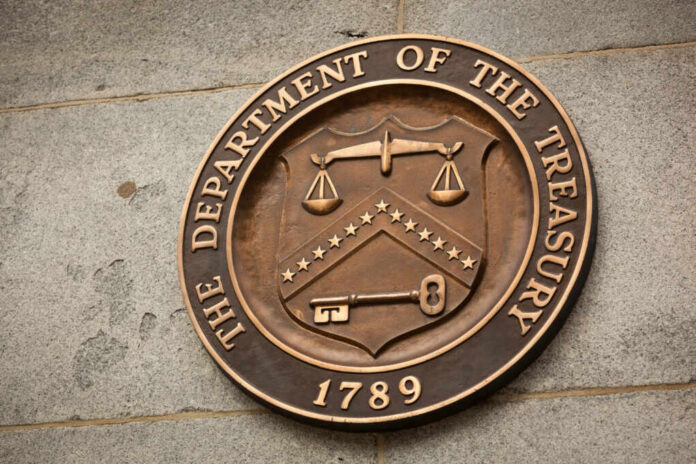
The United States Department of the Treasury’s Office of Foreign Assets Control designated Iranian national Seyed Asadoollah Emamjomeh and his corporate network, accusing them of moving hundreds of millions of dollars’ worth of Iranian liquefied petroleum gas and crude oil to foreign markets in defiance of sanctions.[1] Treasury officials say Emamjomeh’s operation is built around layers of front companies and ships that help Tehran turn banned fuel into hard currency, bypassing restrictions designed to starve the regime’s military and terror budgets.[1][2]
Treasury’s statement describes Emamjomeh as a liquefied petroleum gas magnate whose network sought to export thousands of shipments of liquefied petroleum gas, including attempts involving cargo from the United States, specifically to evade American sanctions.[1] The designation blocks all property and interests in property of the named individuals and entities that fall under United States jurisdiction and generally prohibits United States persons from engaging in transactions with them.[1] Under sanctions rules, any company majority-owned by these blocked parties is automatically treated as sanctioned, widening the impact on vessels and intermediaries.[1]
Shadow Fleet, Shell Firms, and “Maximum Pressure” on Iran’s Energy Exports
Alongside the designation of Emamjomeh, the Department of State and the Treasury announced sweeping actions against Iran’s wider energy export apparatus, sanctioning roughly forty individuals, entities, and vessels involved in Iranian energy trade, while Treasury simultaneously targeted more than fifty others tied to petroleum and liquefied petroleum gas shipments.[2][7] Officials say this combined network helps generate hundreds of millions of dollars in revenue for Tehran through petroleum, petrochemical products, and liquefied petroleum gas sales routed through opaque structures.[2][7]
Government releases describe a shadow fleet of liquefied petroleum gas carriers and other tankers that rely on deceptive practices such as flag changes, falsified documents, and complex ownership chains to conceal the Iranian origin of energy cargoes.[2][3] Industry analysis cited by Lloyd’s List shows that after an October sanctions wave, over forty percent of the vessels regularly carrying Iranian liquefied petroleum gas had been designated by the United States, yet more than one hundred ships still formed a dedicated liquefied petroleum gas shadow fleet.[3] That data confirms both the aggressiveness of enforcement and the depth of the smuggling infrastructure that Tehran and its partners have built to keep money flowing.[3]
Why This Matters to American Families and Energy Security
For conservative readers watching both gas prices and global threats, these sanctions are not an abstract diplomatic scuffle—they are about cutting off cash that Iran can use to arm proxies, threaten shipping lanes, and undermine American allies.[2][7] The State Department explicitly frames these actions as denying the Iranian regime funds used for malign activity, including support for destabilizing operations across the Middle East that can ultimately drag the United States into costly crises.[2] Every dollar that slips through these liquefied petroleum gas and oil networks makes it harder to secure peace and protect American troops.
🇺🇸 🇮🇷 Trump reloaded maximum pressure, and new U.S. sanctions are slamming Iran’s energy & banking sectors.
The White House says its crushing a shadow network shipping hundreds of millions in Iranian LPG disguised as Omani gas to Asia.
Source: Al Jazeera https://t.co/dZSKcu08Yv
— Mario Nawfal (@MarioNawfal) June 5, 2026
At the same time, independent energy analysts report that Iran’s liquefied petroleum gas exports grew to around eleven million tonnes in 2023 and are expected to keep rising despite sanctions, highlighting how persistent enforcement gaps can blunt Washington’s leverage.[6] That reality should resonate with taxpayers who have watched years of promises about tough sanctions from prior globalist administrations while Tehran kept selling energy into Asia. The Trump administration’s renewed focus on detailed networks—naming specific ships, companies, and terminals—marks a shift toward more targeted, operational pressure rather than symbolic statements.[1][2][7]
Sanctions, Rule of Law, and The Need for Vigilant Oversight
From a constitutional and rule-of-law perspective, these designations operate under Executive Order 13902 and related authorities aimed at sectors of Iran’s economy tied to terrorism and destabilization.[1][2] That framework allows the executive branch to move quickly against foreign actors without waiting on slow international bodies that often bend to diplomatic games. However, much of the evidentiary record behind these sanctions remains classified, meaning the public sees the accusations but not the underlying transaction trails, vessel logs, or bank data used to build the case.[2]
For conservatives wary of unchecked bureaucracy, this opacity is a double-edged sword: necessary to protect intelligence sources, but also a reminder that powerful agencies operate largely outside open court processes when they blacklist foreign firms. Analysts note that there is little public, primary-source rebuttal from the named companies contesting Treasury’s assertions about shipment volumes, origin labeling, or shadow banking activity.[2][4] That silence may reflect fear of secondary sanctions, but it also underscores why Congress and the administration must keep demanding rigorous internal review to ensure sanctions stay tightly focused on real bad actors rather than drifting into politicized overreach.[2][4]
Sources:
[1] Web – US sanctions Iranian LPG export and ‘shadow banking’ networks
[2] Web – US Targets Iran’s LPG Trade with Sanctions After Failed US Export …
[3] Web – Treasury Dismantles Key Elements of Iran’s Energy Export Machine
[4] Web – Treasury Targets Iranian Liquified Petroleum Gas Magnate
[6] YouTube – US Sanctions Target Iran’s Oil Network, Hit Chinese Firms
[7] Web – Iran LPG exports to keep growing despite US sanctions – Argus Media