

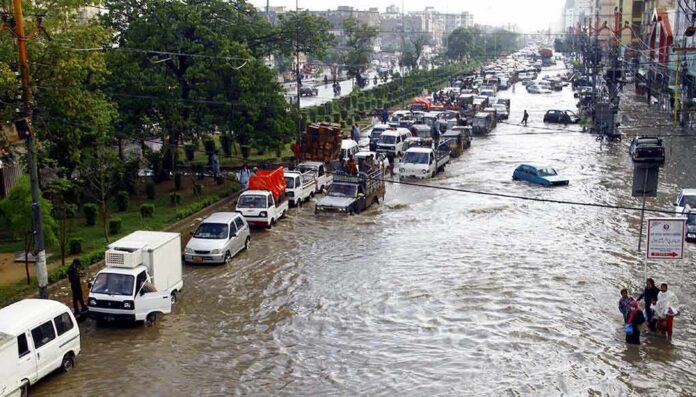
A new United Nations climate bulletin warns of more frequent “compound” disasters that can hit communities all at once and push systems past their limits.
Story Highlights
- United Nations and national agencies report rising risks from back-to-back and overlapping extremes.
- Scientists say more heat, heavy rain, and stronger storm impacts are likely as warming increases.
- Emergency planners focus on power grids, roads, crops, and supply chains stressed by compound events.
- Preparedness, not mandates, is the smart path: hardened infrastructure, fuel security, and local control.
What the latest assessments actually say about extremes
The Intergovernmental Panel on Climate Change states human influence has likely increased the chance of compound extreme events since the 1950s, with concurrent and repeated hazards reported across all regions. That means communities can face heat, floods, and storms in quick succession, raising risks to health, farms, roads, and power systems. Its summary for policymakers adds that if warming rises, odds increase for events with greater intensity, duration, or size that are unprecedented in the record.
The World Meteorological Organization reports that rising temperatures come with more extreme events, and that recent years saw notable heatwaves, damaging tropical cyclones, and deadly floods. It highlights how these shocks disrupt our connected economies and expose weak points in infrastructure and services. The 2024 update documents major named storms and widespread heat that strained emergency response and recovery budgets across regions, underscoring real-world impacts on families and small businesses.
Where the science is strong, and where limits remain
National academies and federal scientists explain that attribution science is strongest for extreme heat and many heavy rain events. Confidence is lower for every hazard type and location, so not every disaster can be tied to a single cause. The National Oceanic and Atmospheric Administration details methods that check data quality, compare models, and test probabilities. That careful process helps avoid hype but still shows clear warming fingerprints in several categories.
The Intergovernmental Panel on Climate Change devotes an entire chapter to extreme events, including heavy rain, floods, droughts, storms such as tropical cyclones, and compound disasters. It assesses observed changes, causes, and projections, reflecting a decade of growth in this field. The key takeaway is practical: more communities will see risks stack up, even if the exact trigger differs by region. Planning must fit local hazards and avoid one-size-fits-all rules that ignore reality on the ground.
Cut through alarmism and denial: focus on readiness
Some advocacy outlets claim there is almost no evidence of rising extremes, but those pieces conflict with primary assessments and federal research. The stronger record shows a rising chance of back-to-back hazards, which is what strains roads, grids, and grocery supply. The smart response is not sweeping mandates or energy rationing. The smart response is targeted resilience: harden substations, clear rights-of-way, fix drainage, and keep fuel supplies ready for storms and evacuations.
State and local leaders can act now. Utilities can install flood barriers at key stations. Counties can upgrade culverts sized for today’s cloudbursts, not yesterday’s averages. Farmers can add on-farm water storage and drought-ready seed mixes. Emergency managers can pre-stage generators and satellite links so 911 stays online. Federal partners can speed permits for grid upgrades and pipelines that keep diesel, natural gas, and propane available during peak demand. These steps protect lives without punishing families at the pump.
What this means for conservative priorities
President Trump’s team can pair strong borders and energy security with common-sense resilience. Agencies can direct funds to fix known choke points, not to chase fads. The focus should be on freedom to choose reliable energy, on American-made steel and transformers, and on clearing red tape that delays levees, bridges, and wildfire breaks. Families want safe neighborhoods, affordable power, and insurance that does not spike after every storm. Targeted upgrades beat endless lectures and new taxes.
Families also deserve clear risk maps and honest timelines. Officials should explain which threats are most likely this season and what changes cut risk the most per dollar spent. That clarity builds trust and fights fear. It also protects the Constitution by keeping decisions local and transparent. When Washington respects property rights, supports self-reliance, and backs police, fire, and guard units with the gear they need, communities can ride out shocks and bounce back faster.
Sources:
carbonbrief.org, wmo.int, brasil.un.org, lib.icimod.org, library.wmo.int, ces.fau.edu