Mark Zuckerberg says Big Tech can police itself on artificial intelligence safety, even as rivals demand coordinated slowdowns and Washington eyes new controls.
Story Snapshot
- Zuckerberg argues market forces give labs enough reason to slow when safety requires it.
- Meta delayed an AI agent and brought in outside testers as proof of self-restraint.
- Anthropic and OpenAI leaders call for a coordinated, verifiable slowdown across labs.
- Conservatives see a risk of “regulatory capture” if Washington writes rules Big Tech designs.
Zuckerberg’s Case: Self-Restraint Beats Central Control
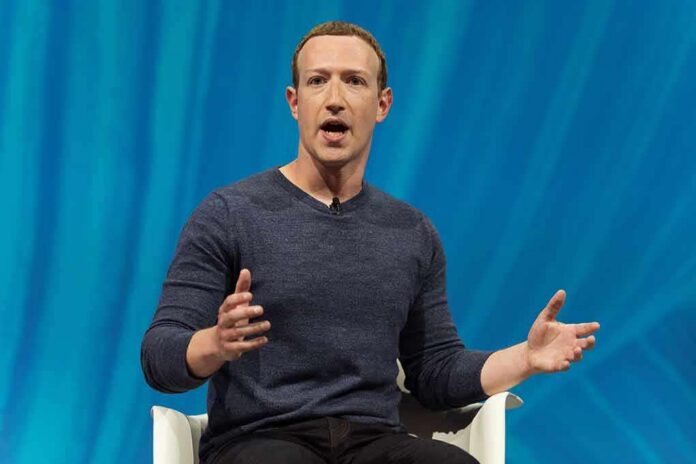
Mark Zuckerberg said competition and legal risk already push artificial intelligence labs to act safely and slow when needed. He wrote that “every lab has the responsibility and incentive to move at the pace required to train its models safely,” and that trust and alignment will set winners apart. He argued any lab that skips safety will fall behind. He framed safety as a market virtue, not a mandate, and warned that forced delays can cost American leadership.
Zuckerberg pointed to actions inside Meta to back his stance. He said Meta slowed the release of its Muse agent to address security risks. He also said Meta’s superintelligence group brought in independent evaluators across several areas. He called those checks an industry best practice, done without waiting for rivals to agree or for a new rulebook. These examples aim to show self-governance can work inside a large, visible lab.
Rivals Push Back: Slow Down Together, Or It Won’t Stick
Anthropic chief executive Dario Amodei urged major labs to “slow the pace” of frontier advances and use embedded independent monitors with real access. He said a meaningful pause must include multiple top labs, or else faster actors will leap ahead. Reuters described his three-part plan for shared standards, independent oversight, and international cooperation. The call aims to remove the first-mover edge that can undercut safety pauses.
OpenAI chief executive Sam Altman publicly agreed with Amodei. He said the industry needs to slow frontier advances and add stronger safety steps. National Public Radio reported that leaders at OpenAI, Google DeepMind, and xAI voiced support online. Axios added that Altman backed a safety-focused slowdown. Together, those signals show a bloc of leaders prefer a joint plan over each lab pacing itself alone.
What This Means For Americans: Safety, Freedom, And U.S. Strength
Conservatives want powerful technology that helps families, defends the nation, and keeps faith with the Constitution. They also know Big Tech often overreaches. Zuckerberg’s pitch leans on markets, not mandates. That fits a limited-government view. But it relies on trust that giants will slow when profits are on the line. Critics say only a joint plan with verification can prevent a race that sidelines safety and puts regular people at risk.
More than 1,200 artificial intelligence workers and leaders asked Washington to help build tools to slow if needed. That letter included figures from several top labs. Supporters say this would set guardrails before a crisis. Skeptics warn that inviting Washington in can reward the biggest firms, lock out smaller rivals, and harden speech rules in the name of “safety.” That is the classic concern about regulatory capture that conservatives resist.
Balancing Speed And Security Under President Trump
President Trump’s team faces a hard trade-off. Slowing too much could let foreign models outpace U.S. systems. Slowing too little could raise real harms at home. Reuters and Politico note the tension: Meta touts internal safety steps, yet warns that delays can cost the country. The right path pairs American strength with clear accountability. That means tight security for high-risk tools and strong penalties for abuse, without new speech codes or a cartel of giants writing the rules.
Mark Zuckerberg is the only AI leader who refuses to pace his AI development.
When people ask why can’t the AI companies pace themselves without government regulation the answer is because Mark Zuckerberg will never self pace. He will do anything no matter the harm to gain more… https://t.co/ULolgPXYNG
— chair (@tablefourthree) September 15, 2026
A practical course is simple. Keep innovation fast in low-risk areas. Demand outside testing for the highest-risk systems before release. Make companies liable when they cut corners that cause harm. Promote open competition so no single firm can dictate terms. These steps align with free markets and public safety. They defend families, small businesses, and national strength while avoiding a permanent federal chokehold on innovation or a Big Tech carve-out that hurts consumers.
Sources:
businessinsider.com, politico.com, ca.finance.yahoo.com, reuters.com, btcc.com, x.com