
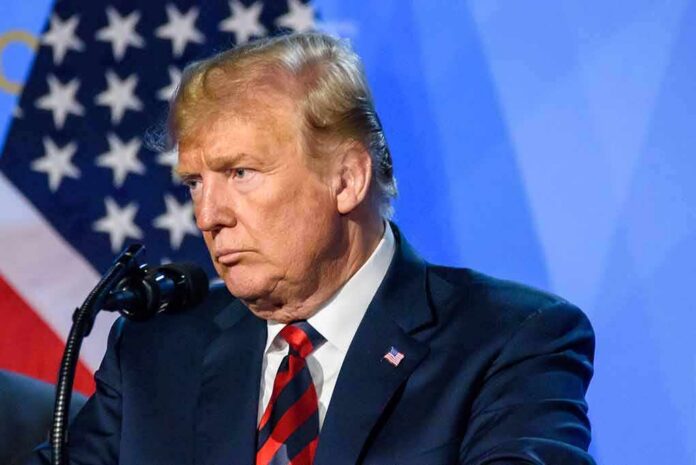
The Nobel Committee passed over President Trump after he claimed credit for brokering multiple ceasefires and negotiations across hot spots, igniting a fresh fight over what “peace” really means.
Story Highlights
- President Trump said he “settled eight wars,” pointing to ceasefires and negotiations he pushed in several conflicts.
- Major outlets acknowledge U.S. roles in talks like Cambodia–Thailand and India–Pakistan, while noting unresolved tensions.
- The Nobel Committee awarded someone else, focusing on international law rather than counts of ended wars.
- Critics dispute Trump’s credit and definitions, but the record shows real U.S.-led de-escalation efforts.
Trump’s Claim and the Public Record
President Trump publicly stated he “settled eight wars” within his tenure, tying his case to concrete events like ceasefires and talks that lowered violence. News reports documented U.S. efforts that helped get Cambodia and Thailand to the table after days of border clashes, and described American involvement in other tense disputes, including between nuclear-armed India and Pakistan. Trump also cited progress tied to Israel and Hamas, including a signed ceasefire document involving regional mediators after extended fighting in Gaza.
Reuters and USA Today reported his statements directly, confirming he made the claim and specified a number, not just broad praise for diplomacy. The list features conflicts with high stakes, including risk of wider war, missile exchanges, and great-power pressure. Supporters argue that when fighting pauses and hostages come home, lives are saved. They view that as a meaningful peace dividend. They add that America’s leverage under Trump helped move stubborn players toward the table, at least long enough to stop the shooting.
Where Credit Is Disputed and Why Words Matter
Some governments and reporters dispute how much credit Washington deserves in certain cases. India did not credit the United States for brokering its ceasefire with Pakistan, which weakens a simple cause-and-effect claim for that success. Reporters also flagged that several situations on Trump’s list were not formal “wars,” and that some fights later flared again, including along the Cambodia–Thailand border and in the Democratic Republic of Congo. These points turn the debate into definitions: is a ceasefire “ending a war,” or is it a step toward a more durable deal?
That framing matters because it sets the standard for judging results. Academic research often separates a short pause from a full settlement with enforcement and political terms. Reporters leaned on that logic to say Trump’s record is “mixed,” even while acknowledging U.S. roles in securing talks and quieting guns. That balanced but critical lens shaped the public story line, whether or not any single pause saved lives on the ground.
The Nobel Committee’s Choice and White House Pushback
The Norwegian body awarded the prize elsewhere and highlighted advances in international law, not a tally of halted conflicts. Reuters reported the committee’s rationale focused on expanding the reach and impact of international law, which differs from counting ceasefires or short-term de-escalation. That choice upset the White House, which argued politics overshadowed peace. It also left supporters asking why mediators who stop active fire do not rank as highly as legal architects who build longer-run norms.
Trump allies say the standard seems to shift when his name is involved. They point to years when elites cheered global bodies, activist judges, and paper agreements that did little to halt rockets or shelling. They argue the prize can look detached from on-the-ground results that matter to families in war zones. Critics counter that several Trump-cited conflicts remained unsettled or restarted, blurring the claim that they were “ended” in a lasting way. The committee’s confidential process leaves both sides arguing in the dark about nominations or shortlists.
What Conservatives Should Watch Next
Conservatives should separate two questions: first, did U.S. pressure and Trump’s talks stop shooting and free hostages in several places? Second, do those actions meet the prize’s standard, which this year favored legal impact? The reporting record shows American roles in pushing talks and shaping ceasefires, including Cambodia–Thailand and episodes tied to India–Pakistan and Gaza, even as disputes remain over credit and durability. That mix of facts explains both the claims and the pushback in plain terms.
The bottom line is simple: lives saved during a ceasefire still count. Many readers believe results on the ground should matter more than elite approval abroad. But the Nobel Committee made a different call this year. For now, the debate will continue over what kind of peace the world wants to honor—temporary quiet that spares families today, or legal frameworks that claim to lock in order for tomorrow. Voters can value both, even if Oslo only crowned one.
Sources:
mediaite.com, reuters.com, usatoday.com, telegraphindia.com, thedailybeast.com