
Democrats seized control of Congress, and Hakeem Jeffries vowed to “fight” and challenge the White House and the Supreme Court.
Story Highlights
- Democrats clinched the House majority and unified control of Congress, shifting power in Washington.
- Hakeem Jeffries pledged an independent Congress that does not “work for the President” or the Supreme Court.
- Jeffries promised a push on affordability and “accountability” for alleged corruption, without naming targets.
- House control delivers committee gavels and subpoena power to Democrats, boosting their leverage.
Democrats Clinch House, Reshape Washington Power
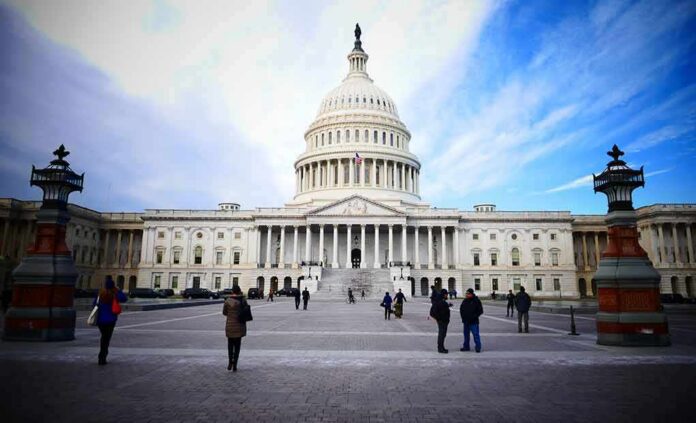
Election-night reporting showed Democrats reached the 218-seat threshold to retake the United States House of Representatives, securing unified control of Congress and ending Republican leadership in the chamber. This shift hands Democrats the agenda, the schedule, and the gavel in every House committee. It also raises immediate stakes for President Trump’s second-term agenda, from border security to spending. The outcome fits a long midterm pattern where the president’s party often loses House seats.
With the House majority, Democrats now gain subpoena power, investigation control, and the ability to shape must-pass bills. Reporting highlighted these tools as the practical effects of crossing 218, which will guide oversight and negotiations into the next session. Committee chairs can set hearings, call witnesses, and press for documents, while leadership controls floor votes. That leverage will test whether Democrats can convert campaign themes into real legislation that reaches the president’s desk.
Jeffries Declares Institutional Independence And A “Fight”
House Democratic Leader Hakeem Jeffries told supporters, “We don’t work for the President, we don’t work for the Vice President, we don’t work for the Supreme Court. We work for all of you,” framing the new Congress as independent and combative. He promised to fight for small-town, urban, rural, and suburban America, and to make life more affordable for “every single American”. He also vowed “accountability” for what he called “unprecedented corruption,” without naming specific cases or committees.
Jeffries’ message signals a hard line toward the administration and the courts, while claiming a broad mandate. The pledge targets pocketbook issues and oversight, two areas where House power is strongest. Yet the statements so far are general and do not list bills, timelines, or budget details. The research record notes that the speech did not provide a defined plan or identified targets for corruption claims, leaving policy specifics to upcoming House action.
What Unified Democratic Control Means For Policy Fights
Democratic control of both chambers sets up new fights on spending, border enforcement, energy policy, and oversight of executive actions. House leaders decide which bills get hearings and votes, often forcing the Senate to respond. Subpoena authority enables aggressive probes into administration programs, agency rules, and contracting choices. For conservative readers, this means more pressure on policies that secure the border, expand domestic energy, cut red tape, and protect gun rights may now face roadblocks.
Historical context helps explain the shift. Since 1946, the party holding the White House has lost House seats in most midterms, with an average loss in the mid-twenties. Elections often reflect voter frustration over prices, wars, or culture fights. Jeffries positioned the win as a green light for a broad agenda, but history suggests voters may have aimed to check the president more than to back every proposal. The coming session will reveal which promises become law and which stall.
Accountability Claims Meet The Test Of Specifics
Jeffries’ “accountability” pledge raises expectations for focused, fact-based oversight. The speech did not cite specific inspector-general reports, ethics referrals, or court findings to define “unprecedented corruption”. That leaves the House to choose targets, jurisdiction, and standards. Effective oversight needs names, documents, and deadlines. Vague charges invite mission creep and media theater. Specific cases, clear legal grounds, and transparent outcomes would better serve taxpayers and the rule of law.
Affordability Promises Face Budget And Policy Math
Jeffries promised affordability for every American, but he did not share bill text, cost estimates, or dates for action. Real relief depends on supply, competition, and spending restraint. Policies that raise energy supply, reduce mandates, and streamline permitting can lower costs faster than new subsidies. If Democrats instead boost federal spending or regulation, families could face more inflation and higher bills. The House majority must choose which path to take, and how to pay for it, in public view.
What To Watch Next
Committee lineups, the first one hundred days calendar, and the initial slate of bills will reveal priorities. Watch for early oversight letters, subpoenas, and hearing notices as signs of how far “accountability” will go. Track any border, energy, and spending bills for clues on whether affordability is pursued through growth or through new programs. The numbers are in; now the governing starts. Voters will judge results, not slogans, as the new Congress meets the country’s hard problems.
Sources:
nytimes.com, houstonpublicmedia.org, en.haberler.com, nbcconnecticut.com, newsweek.com