
Iran’s ruler ordered “no geographic limits” on retaliation, raising the risk to Americans, allies, and global trade if Tehran is attacked.
Story Snapshot
- Ayatollah Mojtaba Khamenei told commanders to answer any threat with an immediate, borderless response.
- The order included updating target lists and boosting weapons output, signaling real preparation.
- The directive ties action to renewed U.S. or Israeli attacks but leaves targets and limits vague.
- U.S. records cite repeated Iranian aggression at sea and beyond, framing American strikes as self-defense.
Khamenei’s Order: Retaliation Without Borders
Iran’s supreme leader used stark language on October 31, 2026. He said any level or type of threat must get an immediate and geographically unrestricted response. Reports tie the wording to his official channels and state-aligned outlets. They also say he met top commanders before issuing the order. The message links action to renewed U.S. or Israeli military or terrorist attacks. That pairing raises the stakes for every clash in the region if shooting starts again.
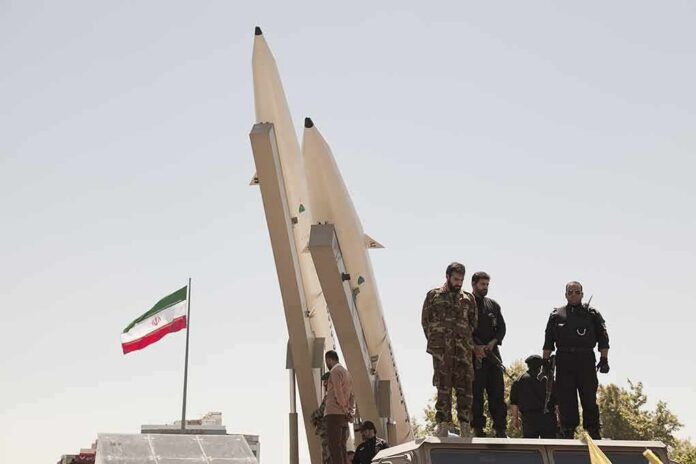
The directive went beyond words. Reports say Khamenei ordered updated target lists that include U.S. and Israeli “material and immaterial” assets. He also pushed for more ammunition and weapons output and stronger military intelligence. Those steps suggest planning for a long fight, not a one-off strike. Yet the phrase “without geographic limits” is undefined. It does not draw lines around civilian or commercial sites, cyber targets, or diplomatic property.
Why The Ambiguity Matters For Americans
Ambiguous orders invite broad action. When leaders do not define targets or rules, commanders have room to aim wide. That risk runs straight through the Strait of Hormuz, oil lanes, and regional bases. Energy prices, shipping insurance, and supply chains could all get hit. Conservative readers know who pays the bill when chaos spikes fuel costs: American families and small businesses. Clear limits can prevent miscalculation. This statement offers none, which signals danger beyond the battlefield.
Iran’s messaging frames this as defense. It says retaliation would follow enemy attacks and that Iran would decide when a fight ends. But the evidence offered comes mainly from Iranian official outlets. Independent verification of the full text and military tasking remains thin in public view. That does not erase the risk. It does mean outside audiences can see the move as both deterrent talk and a path to fast escalation if a trigger event occurs.
What Washington Says Happened Before
The United States records a long list of Iranian attacks through proxies and direct means. The U.S. State Department’s legal analysis for Operation Epic Fury says Washington acted in individual and collective self-defense alongside Israel. It cites years of Iranian aggression, including at sea, and notes earlier American strikes followed attempted missile attacks on U.S. naval vessels. That record undercuts Tehran’s claim to pure defense and shows why U.S. commanders treat threats as real.
Congressional research describes how strikes by the United States and Israel met Iranian attacks across the region and threats to shipping. The public record says later U.S. actions followed Iranian attempts to hit an aircraft carrier and destroyers. That sequence matters for deterrence. It explains why American leaders insist any new attack on our forces or partners will meet a firm response. It also shows why open-ended threats from Tehran are not just talk to brush aside.
What To Watch Next: Targets, Timelines, Triggers
Americans should watch three things. First, targeting signals: Does Iran hint at energy, cyber, or diplomatic assets? Second, timelines: Do force movements, missile alerts, or drone deployments jump after any clash? Third, triggers: Does Tehran define what counts as an “attack,” or keep it vague? Clear red lines reduce accidents. Vague lines invite them. Clarity is how we protect service members, allies, and the trade routes that keep our lights on and our gas tanks full.
#Iran explores a two-day deal with Qatar to reopen #StraitOfHormuz as Trump favours diplomacy, while Khamenei warns of retaliation against US or Israeli threats.#USIranWar https://t.co/V68s4PNnR7
— National Herald (@NH_India) November 1, 2026
Policy makers should harden ports, carriers, and bases; surge missile defense; and tighten convoy protection for shipping. They should also keep channels open to prevent a spiral. Deterrence works best when strength is visible and rules are clear. Iran’s “no geographic limits” line offers neither clarity nor restraint. President Trump’s team must keep America ready, shield the economy from energy shocks, and demand real limits on any action that puts U.S. lives, commerce, or allies at risk.
Sources:
theamericanconservative.com, mdjonline.com, yahoo.com, en.ilsole24ore.com, wset.com, csis.org