
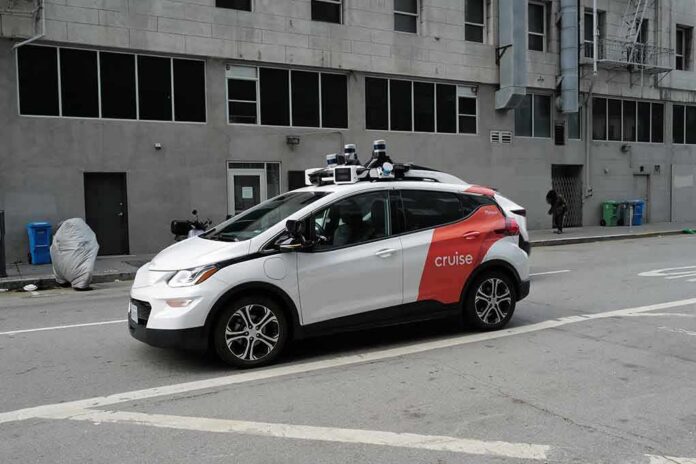
A Minneapolis council member claimed self-driving cars are killing cats, then pushed rules that would all but ban them in the city.
Story Highlights
- Minneapolis passed a policy to force a paid human “monitor” in every driverless ride, but the mayor vetoed it.
- Council Member Jason Chavez tied his support to claims of cats dying from autonomous vehicles, drawing ridicule.
- Waymo and others say the rule is a de facto ban on driverless service, stifling innovation and choice.
- The 7–6 council vote shows a deep split over safety, jobs, and who sets the rules in city streets.
Ordinance Mandated Human Monitors In Every Driverless Ride
Minneapolis City Council voted 7–6 to require a licensed, paid human “safety monitor” to sit in the driver’s seat of every commercial self-driving vehicle operating in the city. The rule, called Workers Drive Minneapolis, also called for a city license and real-time control over steering, braking, and acceleration by that human. Supporters framed the plan as worker protection and public safety. Critics said it guts the point of the technology and limits service for riders.
Mayor Jacob Frey vetoed the ordinance after passage. Frey said putting a driver in a driverless car does not make sense and warned against a “backdoor ban” that blocks innovation that could help residents. He argued that the city should welcome new options with sensible safety rules, not smother them before they scale. His veto put the measure on hold and signaled an ongoing fight over control, enforcement, and future street rules in Minneapolis.
Council Member’s Cat Claim Sparked Public Backlash
Council Member Jason Chavez argued for the policy by saying autonomous vehicles have killed cats. He said he owns a cat and does not want it killed by a driverless car. The remark spread fast online and drew mockery. People asked for proof and called the claim fear-based. The ordinance’s supporters focused on safety and jobs, but this line became the headline and raised doubts about the evidence behind the push.
Chavez also co-authored updates to constituents promoting city control over licensing and human monitors in autonomous vehicles. Supporters said the policy would apply to companies like Waymo, Tesla, and Zoox. They said it would take effect in 2027. By putting a paid human in every vehicle, the rule would shift costs, slow scale, and give the city leverage over operations and data. That design matched a broader trend of cities trying to steer deployment terms.
Companies Warned Rule Operates As A De Facto Ban
Waymo and other companies said the human monitor rule acts like a ban because it adds labor costs, blocks key efficiencies, and removes core safety advantages of autonomy. Company representatives said the framework would prevent a viable service model and deny riders safer and more reliable trips. Local reporting captured the argument that the ordinance would allow only vehicles that are not truly driverless, making the service impractical and expensive to run at scale.
Minneapolis just voted to ban driverless rideshare inside city limits 😳
🔴 The "Workers Drive Minneapolis" ordinance passed 7-6, requiring a human safety supervisor in every autonomous rideshare vehicle in the city 🚕
⁰🟢 Mayor Frey is expected to veto, since it preempts state… https://t.co/b8OuIsJm3z— Robotaxi Radar (@RobotaxiRadar) October 1, 2026
Residents weighed in at public meetings on safety, jobs, and trust. Some feared untested systems, while others wanted an option without a human driver, citing harassment or assault risks in traditional rides. The split mirrored national debates. City leaders wrestled with who sets standards, how incidents are reported, and what data must be shared. The narrow vote showed there is no consensus. The veto ensured more hearings and more pressure on both sides to show results.
What This Fight Signals For Cities And Riders
This fight shows how city rules can shape or choke new tools. A strict human-monitor mandate may protect some jobs today but stall safer roads tomorrow, if the systems prove more reliable than humans. The real test is evidence. If leaders cite pet deaths, they should show data. If companies claim safer streets, they should share clear records. Minneapolis must choose rules that guard people without blocking progress that lowers crashes and expands safe, affordable rides.
Sources:
foxnews.com, cbsnews.com, yahoo.com, bringmethenews.com, fox9.com