

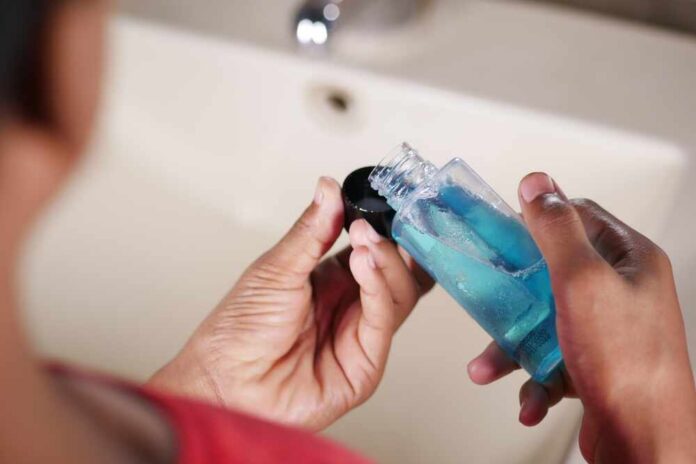
A common antiseptic mouthwash trusted by millions for oral hygiene may be silently sabotaging your cardiovascular health, raising blood pressure and heart disease risk through a mechanism government health agencies have yet to warn the public about.
Story Snapshot
- Chlorhexidine mouthwash kills beneficial oral bacteria critical for blood pressure regulation, raising readings by 2-3.5 mmHg
- Studies link routine use to increased hypertension risk over three years, with higher mortality noted in hospitalized patients
- Even modest blood pressure increases of 2 mmHg elevate stroke mortality by 10% and heart disease deaths by 7%
- Despite peer-reviewed evidence since 2019, chlorhexidine products remain widely available over-the-counter without warnings
Hidden Risks of a Bathroom Staple
Chlorhexidine mouthwash, marketed under brands like Corsodyl and prescribed routinely for plaque and gingivitis control, disrupts the oral microbiome in ways that compromise cardiovascular function. Research from Queen Mary University of London and peer-reviewed journals demonstrates that this antiseptic eliminates up to 90% of nitrate-reducing bacteria essential for producing nitric oxide, a compound that relaxes blood vessels and maintains healthy blood pressure. The 2019 study in Free Radical Biology and Medicine documented systolic blood pressure increases of 3.5 mmHg after just two weeks of twice-daily use, a finding replicated across multiple trials involving both healthy individuals and hypertensives.
Mechanisms That Bypass Public Scrutiny
The oral microbiome converts dietary nitrates into nitrite, which the body transforms into nitric oxide to regulate vascular tone. Chlorhexidine’s broad-spectrum antimicrobial action indiscriminately kills these beneficial bacteria alongside harmful pathogens, shifting saliva to acidic conditions and slashing nitrite levels. A 2020 PMC review of eight trials confirmed this mechanism, noting blood pressure trends particularly pronounced in hypertensive patients, who constitute 47% of American adults. Yet regulatory bodies like the FDA have not mandated labeling changes, leaving consumers unaware that their dentist-recommended rinse could undermine treatments for conditions affecting nearly half the population.
Mounting Evidence Meets Regulatory Silence
Long-term implications extend beyond temporary blood pressure spikes. Studies tracking users over three years associate routine chlorhexidine use—defined as twice daily or more—with elevated hypertension incidence, compounding risks for chronic kidney disease, stroke, and heart attacks. Research funded by the NHS Health Research Authority now investigates arterial stiffness and microbiome recovery in diabetes patients, acknowledging vascular dangers that remain unexplored in official guidance. Some studies of young, healthy females showed no statistically significant pressure changes after short-term use, prompting calls for demographic-specific research, but the weight of evidence tilts toward caution for vulnerable populations already battling cardiovascular disease.
Questions of Accountability and Alternatives
Dental experts like those at Adams Dental advise patients to weigh oral benefits against systemic risks, recommending non-antibacterial alternatives for routine hygiene while reserving chlorhexidine for acute infections under professional supervision. Yet pharmaceutical companies producing these products face no requirement to disclose cardiovascular risks on packaging, a gap that epitomizes broader frustrations with a regulatory system seemingly more protective of industry interests than public welfare. The potential for increased healthcare costs from preventable heart disease and strokes raises uncomfortable questions about why established science from 2019 onward has not triggered labeling reforms or public health campaigns warning Americans about this everyday hazard in their medicine cabinets.
Sources:
Chlorhexidine Raises Heart Attack Risk – BluemCare
Over-the-Counter Mouthwash Use and Blood Pressure – PMC
Mouthwash and Link to High Blood Pressure – Adams Dental
The Effect of Chlorhexidine on the Oral Microbiome and Saliva – NHS Health Research Authority
Chlorhexidine and Cardiovascular Risk – SAGE Journals
Chlorhexidine Mouthwash Effects – Wiley Online Library