
Crude oil prices crashed over 20% in a single day to $91 per barrel after President Trump’s Iran ceasefire announcement, delivering sudden relief to American families crushed by high energy costs from past globalist policies.
Story Snapshot
- West Texas Intermediate (WTI) plunged from $117.63 to $91.05-$91.61, the largest drop since COVID.
- Trump’s “good talks” with Iran and two-week ceasefire reversed escalation fears from Israeli Lebanon strikes and Iranian pipeline attack.
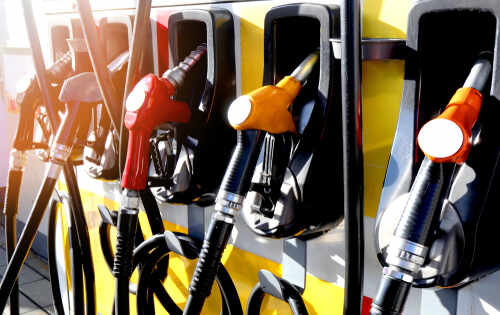
- Prices continued falling below $60, easing gasoline costs for U.S. consumers amid tariff pressures.
- Russia’s war budget strains under low prices, validating America First energy independence.
- Unclear Saudi pipeline damage risks rebound, highlighting ongoing Middle East volatility.
Escalation and Trump’s Decisive Intervention
On April 8, 2026, oil prices peaked at $117.63 per barrel as fears mounted over Middle East supply disruptions. Israel launched dozens of strikes across Lebanon, its largest coordinated action in the conflict. Iran reportedly hit Saudi Arabia’s vital East-West pipeline, a key export route. Markets braced for shortages amid the Iran War. President Trump then announced positive talks with Iran, pledging no attacks on its energy infrastructure and securing a two-week ceasefire. This shifted sentiment instantly from panic to surplus expectations. WTI fell 16.78-20% to $90-$91.61, Brent dropped 12-14.78% to around $100. The plunge rivals 1991 Gulf War drops of 30-33% after quick resolutions.
Continued Price Collapse and Market Reversal
Post-plunge, WTI dipped below $95 within 12 hours, then below $60 with a 2.82% daily drop. Urals crude neared $50, its lowest since 2023. U.S. gasoline futures declined 13.3% since Trump’s April 2 tariff announcement. Energy stocks suffered: Exxon down 4.03%, Shell 3.90%. Bearish forces included OPEC+ output hikes to counter U.S. sanctions and overproducers like Iraq and Kazakhstan. Major banks slashed Brent and WTI forecasts amid recession risks from tariffs curbing global demand, especially in China. The Kremlin vowed to shield Russia from this “economic storm,” as low prices threaten its Ukraine war funding reliant on energy exports.
Stakeholders and Power Shifts
President Trump holds pivotal leverage through the ceasefire and sanctions on Iran and Venezuela. Iran seeks to avoid infrastructure hits while regulating Strait of Hormuz traffic on designated routes. Saudi Arabia protects its exports after the pipeline strike, with damage extent unclear. OPEC+, including Russia, balances U.S. pressure for lower prices against internal divisions. This dynamic underscores America’s restored dominance in global energy markets, freeing families from renewable policy-driven costs. Trump’s actions stabilized supplies without endless foreign entanglements, echoing limited government principles.
America’s consumers benefit from cheaper gasoline, curbing inflation blamed on prior fiscal mismanagement. Oil producers face short-term pain, with job risks in the sector. Long-term, tariffs may spark trade wars deepening any glut if recession hits. Political wins include straining adversaries like Russia while bolstering U.S. leverage. Both conservatives frustrated by high energy bills and liberals wary of elite-driven wars see government overreach in volatile markets. This event exposes how distant bureaucrats prioritize reelection over affordable basics.
OIL PRICE PLUNGE
Iran's declaration to open the Strait of Hormuz has sent crude oil prices plummeting. The major development in the key shipping lane is shaking up global energy markets, with reports indicating stocks have jumped in response.— Veritas News (@veritasfeed) April 17, 2026
Expert Views and Historical Parallels
ING analysts link OPEC+ hikes to U.S. pushes for lower prices and producer discipline, worsening the rout. EIA data notes >14% daily drops occurred only about four times since the 1980s. Markets overpriced war risks, reversing like 1991 Desert Storm when reserves flowed post-attack. Unlike COVID demand crashes or 2020 price wars, this stems from de-escalation amid conflict. Pipeline uncertainties could spark rebound, but tariffs signal demand weakness. OilPrice.com highlights multi-factor pressures; Washington Examiner stresses Trump’s Iran deal.
Sources:
Washington Examiner (18% WTI, historical comps)
OilPrice.com (sub-$60, tariffs/OPEC+)