

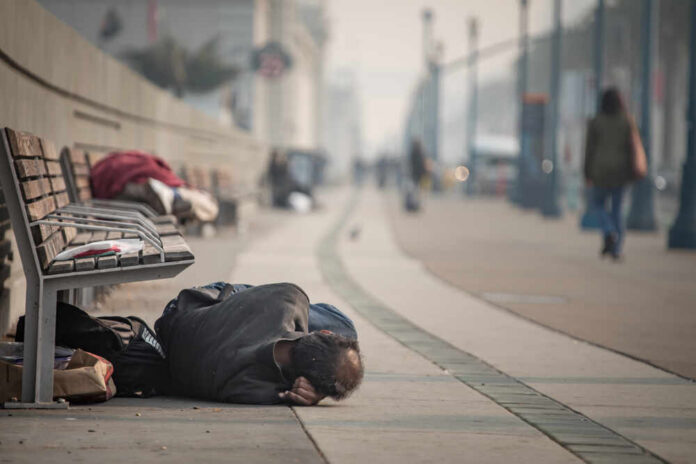
Foster care is still sending too many young adults into homelessness, and the facts behind the viral “46 percent” claim deserve a harder look.
Quick Take
- One major study found that 36 percent of tracked former foster youth had been homeless by age 26, with a possible range of 31 to 46 percent.
- Other research and policy briefs also show that foster youth face far higher housing risk than their peers.
- The exact headline number changes by study, sample, and time frame, so the 46 percent figure is best treated as an upper bound, not a fixed rate.
- Placement stability, family support, and extended care services can lower the risk.
The Study Behind the Viral Number
The strongest source behind the viral claim is a longitudinal study of Midwest foster youth. It found that 36 percent of the 624 young people whose outcomes were observed had been homeless at least once by age 26. The authors said the true figure could be as low as 31 percent or as high as 46 percent, depending on the unobserved cases. That means the “46 percent” figure is not the observed rate; it is the high end of the study’s estimate [1].
That matters because the headline can sound more precise than the research actually is. A careful reading shows a serious and persistent problem, but not a clean single number that applies to every former foster child. The study also found that youth who ran away, moved placements often, were male, had a history of physical abuse, or showed mental health symptoms faced higher risk. In other words, the danger is real, but it is not spread evenly [1].
What the Wider Research Shows
Other studies point in the same direction. A national review found that youth who age out of foster care face high homelessness risk during the transition to adulthood, and that the risk depends on the sample and how homelessness is measured [2]. Policy summaries also report that about 22 to 30 percent of former foster youth become homeless during the transition, while some estimates place the share of youth with foster care history among homeless young people at roughly one-third [3][6].
Those broader findings still support the core point: the foster care system is failing too many young people at the most fragile time in their lives. Many leave care with little money, weak family ties, and no stable housing plan. That is why groups focused on child welfare keep warning that aging out can mean couch surfing, shelters, cars, or worse. For families and taxpayers, that should be a red flag, not a shrug [10][11].
Why Outcomes Vary So Much
The counter-claim is not that the risk is fake. It is that the risk is uneven and highly dependent on support systems. Research summarized in 2025 found that youth who stayed in care longer were less likely to become homeless, while supportive housing placements had a strong protective effect [10]. Another review said extended foster care and related services can improve housing stability, especially for youth who otherwise would leave care with few resources [12].
That is the key takeaway for conservatives who want practical solutions instead of more bureaucratic slogans. A system that breaks family ties, then sends young adults into the world with little support, is inviting disaster. The evidence does not justify lazy exaggeration, but it does justify alarm. The smarter answer is better placement stability, more family-centered exits, and housing help that follows the child into adulthood instead of abandoning him at the door [1][8][12].
What the Numbers Mean for Policy
The best evidence suggests the real debate is not whether foster youth are at higher risk of homelessness. They are. The real debate is how many, under what conditions, and which policies reduce the damage. Some studies describe 31 to 46 percent homelessness by age 26, while others use shorter follow-up windows and report lower figures. That spread shows why viral one-line claims often flatten a messy problem into a talking point [1][2][7].
For readers trying to judge the claim fairly, the honest answer is simple. The “46 percent” number is defensible only as the top end of a study estimate, not as a universal fact. But the larger warning is solid: too many foster youth age out without the family support, housing, and discipline that help young adults build stable lives. That failure carries real human costs, and it should be fixed with urgency [1][2][8].
Sources:
[1] YouTube – 46% of Foster Kids Are Homeless by 26 🤯
[2] Web – Foster Care Statistics 2026 | Penny Lane Centers
[3] Web – Transition Age Foster Youth – Mayor’s Fund for Los Angeles
[6] Web – [PDF] Aging Out of Foster Care in Los Angeles – California Policy Lab
[7] Web – What Youth Aging Out of Foster Care Need: Supportive Housing
[8] Web – [PDF] Housing for Youth Aging Out of Foster Care – HUD User
[10] Web – What Happens to Youth Aging Out of Foster Care?
[11] Web – Housing & Homelessness – National Foster Youth Institute
[12] Web – Gaps in Foster Care Lead to Youth Homelessness – Covenant House