

A longtime anti-meat activist is now courting ranchers in Colorado’s agriculture capital, and their livelihoods could hang in the balance.
Story Snapshot
- Democrat Manny Rutinel won the primary in Colorado’s 8th District, a major ranching and meat-producing region.
- Rutinel spent years calling animal agriculture a “horrific, exploitive industry” and backing meat, dairy, and egg tax hikes.
- He now says he is not a vegan, praises Colorado ranchers, and claims he opposes only “bad actors” in the industry.
- Rutinel’s environmental agenda and past activism raise concerns about future attacks on animal agriculture and rural jobs.
Radical Vegan Record Meets Colorado’s Ag Economy
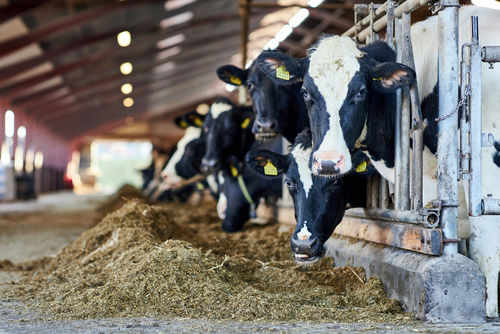
Colorado’s 8th Congressional District is widely described as the state’s agriculture capital, home to Weld County and thousands of farms and ranches that drive the local economy. The district includes major meat and dairy producers and a large meatpacking employer, meaning many families depend directly on animal agriculture for work and income. Into this setting steps Democrat Manny Rutinel, who built his public profile by attacking the very industry that sustains the region.
Reporting from national and local outlets shows Rutinel spent years promoting veganism and condemning animal agriculture in strong moral terms. As a student and activist, he backed efforts to “discourage meat products” and supported plans that would move farmers away from raising animals for food. During an interview tied to his earlier work, he labeled animal agriculture a “horrific, exploitive industry,” signaling a sweeping indictment of meat and dairy producers rather than a narrow complaint about isolated abuses.
From “Horrific Industry” to Ranchers as “Friends”
Now that he needs votes in a ranching district, Rutinel presents a very different image. In a 9News primary debate, he declared, “I’m not a vegan,” explaining that he wants to enjoy “the delicious products that Colorado ranchers make.” He told voters that farmers and ranchers are his “friends,” highlighted union backing that includes meatpacking workers, and promised, “I will always fight for our ranchers and our farmers.” These statements sharply contrast with his earlier rhetoric about ending animal agriculture as we know it.
When pressed by reporters, Rutinel now insists his past comments targeted only “bad apples” in the industry, not ranching and meat production as a whole. In an interview with The Colorado Sun, he called Colorado ranchers “the envy of the globe,” praised them as “good stewards of the land,” and described them as the backbone of local communities. He emphasizes that he consumes animal products today and claims his views on meat and dairy are more nuanced than his activism made them appear. This pivot is central to his effort to reassure rural voters.
Meat Taxes, Policy Records, and Voter Concerns
Despite his new tone, Rutinel’s policy record still worries many in the district. The National Republican Congressional Committee notes that an organization he led, Climate Refarm, signed onto a letter calling for tax increases on meat, dairy, and eggs. Such taxes would raise costs for families, punish producers, and weaken demand for livestock products in a district built on those goods. Rutinel now says he does not support raising these taxes to push voters toward other foods, but the prior advocacy remains part of his record.
Rutinel also frames his current farm agenda around national economic fights, especially trade. He argues that President Donald Trump’s tariffs are “threatening the livelihood of ranchers and farmers” by increasing costs and disrupting markets. He promises, if elected, to “fight these reckless economic policies” and reverse what he calls chaotic tariff decisions. For many conservative voters, this message clashes with Trump’s broader effort to rebalance trade and protect American producers, raising questions about whether Rutinel’s definition of “supporting farmers” aligns with their own.
Environmental Justice and Future Regulation
While Rutinel has not recently sponsored bills that directly force a shift away from animal-based products, he has made environmental justice a central focus of his legislative work. In 2024, he championed a law creating Colorado’s Office of Environmental Justice to study communities “disproportionately impacted” by pollution. Supporters say this helps protect vulnerable neighborhoods, but ranchers and meatpackers see the potential for new regulations that fall heavily on rural operations and processing plants, increasing costs and inviting more government oversight.
When asked what still concerns him about meat and dairy, Rutinel points first to caged hens and supports Colorado’s ban on the sale of eggs from caged chickens. He also focuses on deforestation overseas tied to grazing, linking ranching to climate change through land-use debates abroad. He has told reporters that beyond these issues, “no other issue with the ranching industry is coming to mind at the moment,” suggesting he wants voters to see his agenda as narrow and targeted. For many in the 8th District, however, his long record of radical activism makes that promise hard to fully trust.
Sources:
townhall.com, nrcc.org, coloradosun.com, freebeacon.com