
President Trump ordered the U.S. Navy to escort oil tankers through the perilous Strait of Hormuz, directly challenging Iranian threats to close the vital waterway and putting American warships in the crosshairs of ballistic missiles, drones, and mines.
Story Snapshot
- Trump directs U.S. Development Finance Corporation to provide immediate political risk insurance for Gulf shipping after Iranian closure threats halt traffic
- U.S. Navy ordered to potentially escort tankers through Strait of Hormuz despite one-third of fleet already deployed and private warnings of no availability
- IRGC threatens to “set ships ablaze” and push oil to $200 per barrel following U.S.-Israel joint military strikes against Iran
- New escort mission differs from 1980s Tanker War by operating in active conflict zone with advanced Iranian weapons systems spanning 1,000 nautical miles
Trump Takes Bold Action to Secure Energy Flow
President Trump announced on Truth Social that the United States will ensure the free flow of energy through the Strait of Hormuz “no matter what,” ordering the U.S. Development Finance Corporation to provide political risk insurance at reasonable prices effective immediately. The directive came after Iranian Revolutionary Guard Corps threats forced shipping companies to halt traffic through the narrow waterway that handles approximately 20 percent of global oil supplies. Trump’s order demonstrates decisive leadership aimed at preventing Iran from weaponizing energy markets against American consumers and allies worldwide.
US President Trump says US Navy would escort oil tankers through the Strait of Hormuz if needed amid the Iran war
Live updates 👇 https://t.co/vzAPviw0Vb pic.twitter.com/a0lzU6jHe6
— TRT World (@trtworld) March 3, 2026
Iranian Threats Follow U.S.-Israel Military Operations
The crisis escalated after a weekend U.S.-Israel joint military operation against Iranian targets prompted the IRGC to announce closure of the Strait of Hormuz. On March 3, IRGC senior adviser Ebrahim Jabbari threatened to “set ships ablaze” and predicted oil prices would skyrocket to $200 per barrel. Multiple civilian vessels sustained damage from attacks, prompting insurance companies to cancel war risk policies or spike premiums dramatically. Shipping companies responded by halting transits or sailing with tracking systems turned off to avoid becoming targets, creating severe disruptions to global energy supplies.
Navy Faces Unprecedented Operational Challenges
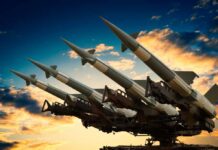
The escort mission presents extraordinary challenges for an already overburdened U.S. Navy, with approximately one-third of the fleet currently deployed in the Middle East handling air strikes and defense operations. Navy officials privately told shipping representatives there was “no chance” of providing escorts in the near term, emphasizing no guarantees for future availability. Unlike the 1980s Tanker War when the U.S. deployed roughly 30 warships at peak, this operation would place vessels in what defense analysts describe as a “super weapons engagement zone” featuring Iranian ballistic missiles, kamikaze drones, and sea mines. The threat zone spans over 1,000 nautical miles from Kuwait to Duqm, far exceeding recent Red Sea operations against Houthi forces.
Economic and Strategic Stakes Escalate
The Strait of Hormuz chokepoint represents a critical vulnerability for global energy markets and American economic interests. Disruptions threaten energy supplies from Qatar and Saudi Arabia while exposing American consumers to potential fuel price spikes that would compound existing inflation concerns stemming from prior administration fiscal mismanagement. Iran’s asymmetric warfare strategy leverages mines, drones, and fast attack boats to counter U.S. naval superiority, creating persistent risks for American service members thrust into repeated high-threat transits. European allies have begun dispatching additional warships to the Mediterranean, suggesting potential multinational response coordination. The confrontation underscores how Iranian aggression directly threatens American energy security and global economic stability, requiring firm resolve to protect vital maritime commerce routes.
Trump’s dual approach of military escorts and government-backed insurance aims to restore confidence in Gulf shipping lanes while signaling unwavering commitment to countering Iranian coercion. The policy reflects constitutional principles of protecting American interests and commerce against hostile foreign powers. Defense experts note uncertainties remain regarding implementation timing and whether shipping companies will resume normal operations despite government guarantees, given the extraordinary threat environment and recent precedents of delayed protection even for U.S.-flagged vessels during asset shortages.
Sources:
IRGC Threatens to Close Strait of Hormuz After U.S.-Israel Strikes – The Jerusalem Post
Trump: U.S. Will Provide Risk Insurance for All Shipping in the Gulf – The Maritime Executive
Trump Orders Oil Tanker Insurance Support, Says Navy Could Escort Ships in Gulf – The Straits Times
Trump Weighs Military Escorts for Oil Tankers Through Strait of Hormuz – Politico