

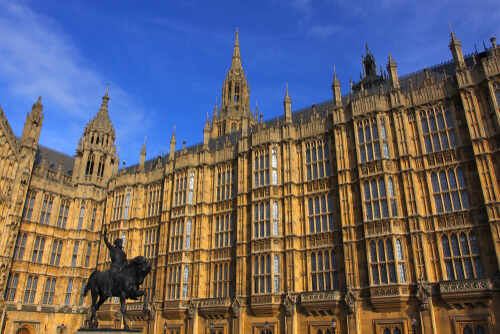
Britain’s House of Lords just voted to dismantle a chilling speech-suppressing regime—could America avoid similar government overreach under President Trump’s leadership?
Story Snapshot
- House of Lords passes amendment 227-221 to abolish non-crime hate incidents (NCHIs), banning police from recording non-criminal “hate” complaints.
- Victory for free speech after Met Police already stopped investigating NCHIs, following outcry over wrongful arrests of pastors and preachers.
- Amendment mandates deletion of historic NCHI records from DBS checks, protecting careers from malicious allegations.
- Narrow margin pressures Labour’s Keir Starmer government amid Conservative pushback against woke policing tactics.
Landmark Vote Challenges Labour’s Overreach
Conservative peer Lord Toby Young of Acton proposed the amendment to the Crime and Policing Bill. The House of Lords approved it by a razor-thin 227-221 margin in March 2026. This action targets non-crime hate incidents, records of perceived hostility based on race, religion, disability, or gender that fall short of criminality. The vote occurred five months after the Metropolitan Police ceased such investigations. Critics long argued NCHIs created a chilling effect on free expression, mirroring concerns conservatives here fought against woke censorship.
Origins in Tragedy, Abuse in Practice
Authorities introduced NCHIs after Stephen Lawrence’s 1993 murder to track racist incidents and prevent escalation. Over 30 years, the system expanded without statutory limits, allowing police broad discretion. A 2024 freedom of information request revealed 13,200 NCHIs recorded in one year alone, targeting doctors, vicars, and even primary school children. Scottish pastor Angus Cameron won £5,500 compensation plus legal costs after wrongful arrest; Police Scotland admitted no crime occurred. Such cases highlight how NCHIs enabled frivolous complaints to haunt innocents.
Amendment Provisions Protect Liberty
Lord Young’s proposal bans police from processing personal data for NCHIs while permitting review of crime-relevant information. Forces must purge low-threshold records and block their appearance on Disclosure and Barring Service checks. This shields individuals from career sabotage by baseless hate claims. The Christian Institute called the regime “Orwellian,” noting malicious allegations could derail job prospects. Conservatives celebrate this as a bulwark against government weaponizing speech policing, much like President Trump’s cuts to DEI programs reclaim common sense.
Home Secretary Shabana Mahmood acknowledged NCHIs need change but questioned alternatives. Labour commissioned a review for free speech safeguards, yet resists full abolition. Lord David Hanson worried DBS limits tie police hands in protecting vulnerables. Baroness Doreen Lawrence feared losing escalation tracking from verbal abuse to violence.
Pressure Mounts on Starmer’s Government
The Crime and Policing Bill faces more scrutiny before becoming law, leaving NCHI status ambiguous. Police seek statutory clarity post-Met Police’s pullback. The vote signals cross-party revolt against Labour’s soft-on-free-speech stance. Simon Calvert of The Christian Institute demands total erasure of erroneous records to safeguard religious freedom. Street preachers and commentators, frequent targets, stand to gain most from abolition.
Abolition promises robust free speech defenses, eliminating tools critics say suppress dissent. Yet opponents claim it weakens hate pattern detection for minorities and vulnerables. As President Trump trims wasteful spending and border threats here, Britain’s fight warns against importing such overreach. Conservatives urge vigilance to preserve First Amendment rights against similar “non-crime” traps.
Sources:
Peers vote to scrap non-crime hate incidents
House of Lords urged to back abolition of non-crime hate incidents
What are non-crime hate incidents and why have peers voted to axe them?
Lords pressure Starmer with vote to scrap non-crime hate incidents