

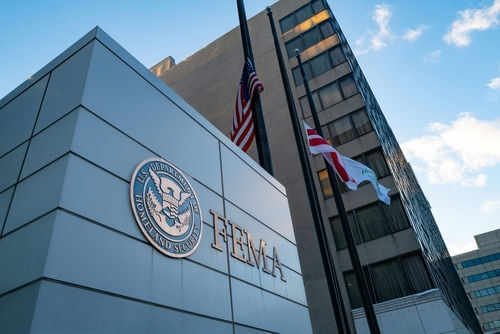
Trump’s FEMA overhaul could make disaster aid harder to reach just as hurricane season raises the stakes for families on the coast.
Quick Take
- The FEMA Review Council recommended shifting more power from the Federal Emergency Management Agency to states and local governments.[1][4]
- The plan also calls for changing which disasters qualify for federal aid and how survivor help is delivered.[1]
- Supporters say the current system is too slow and tangled in red tape.[3]
- Critics warn that tighter rules and more state control could slow help when storms hit fast.[1]
What the overhaul changes
The Trump-appointed FEMA Review Council approved a set of recommendations that would reshape disaster response and reduce FEMA’s direct role.[4] Reports say the plan would shift more training, spending, and decision-making to state, local, and tribal authorities over the next two to three years.[1] The White House created the council in January 2025 to assess FEMA and recommend changes for a more effective response.
Some of the biggest changes go beyond simple budget cuts. CBS reported that the council wants to change how disasters qualify for federal support, how FEMA pays states, and what kind of survivor help FEMA provides. The same report said the proposal would limit housing aid to homes made uninhabitable and replace some assistance paths with one-time payments. Those are not small tweaks. They are structural changes to how disaster aid reaches people.
Why critics say access will suffer
Critics argue that moving more responsibility to states could make aid harder to access when communities are already overwhelmed.[1] Claims Journal reported that the council recommended “rethinking what disasters qualify for federal disaster aid,” which could narrow eligibility.[1] Analysts also warn that state agencies may not have the staff, systems, or surge capacity to handle a larger share of the work without new bottlenecks.
That concern matters most for families who need fast help after a storm. The current FEMA system already forces survivors through forms, documentation rules, and review steps that many state officials describe as confusing and slow.[6] If the new model adds more state-level control without strong capacity checks, the result could be more delays, more denials, and more frustration for people who just lost homes, cars, or jobs.
Why supporters say the change is overdue
Supporters of the overhaul say FEMA has become too slow, too rigid, and too buried in red tape.[3] The council’s plan reflects that view by pushing direct payments to states within 30 days instead of the current reimbursement model. Backers say that approach could put money in state hands faster and reduce paperwork for survivors who need immediate help after a disaster.
The White House order that launched the council says Americans deserve an “immediate, effective, and impartial response” to disasters. That language gives the administration a clear legal and political basis for revisiting FEMA’s structure. Still, the public record provided here does not show proof that the new model will actually speed recovery or lower denial rates in practice. The argument for reform is real, but the outcome is still untested.
What is still unclear
One major open question is whether states can absorb more responsibility without creating new delays. The sources provided do not include staffing studies, software reviews, or fiscal readiness checks for state emergency offices. That matters because a faster paper process on Washington’s end does not help if state systems cannot process claims, move money, or manage appeals quickly after landfall.
Another unresolved issue is how much aid will be left for smaller disasters. Reports say the administration has already pushed back on some federal disaster spending and has signaled a narrower focus on the biggest events.[1][2] For many readers, that is the core worry: once Washington tightens the gate, people hit by floods, tornadoes, and windstorms may find the federal safety net harder to reach when they need it most.
Sources:
[1] Web – FEMA overhaul would make disaster aid harder to access, analysts warn
[2] Web – Trump’s FEMA Council Backs Overhaul of Disaster Response
[3] YouTube – Trump administration considering major FEMA overhaul
[4] Web – FEMA Review Council Proposes Long List of Reforms to Federal …
[6] Web – Proposed Changes to FEMA and the Future of Federal Disaster …