
A desperate plea from inside Iran’s most notorious prison is exposing how American citizens are still being abused by a hostile regime that treats human lives—and U.S. power—as bargaining chips.
Story Snapshot
- American journalist Reza Valizadeh says he and two other U.S. citizens in Iran’s Evin Prison are sick and denied proper medical care.
- He has launched a hunger strike and describes rushed, unfair court proceedings and harsh, unsanitary prison conditions.
- The United States has formally designated him “wrongfully detained,” underscoring that this is political hostage-taking, not real justice.
- Reports describe asthma, dental problems, overcrowding, and “inhumane” treatment as Iran shrugs off international law.
Voice From Evin Prison Warns Americans Are Sick And Neglected
CBS News aired a recording of Iranian American journalist Reza Valizadeh, speaking from inside Tehran’s Evin Prison, warning that three American citizens, including himself, “suffer from various diseases without adequate medical care” and endure “physical and mental torture.”[6][1] According to that recording, he is not asking for special treatment but for basic medical attention that the regime is withholding. His words underscore how Iran is still willing to abuse sick Americans while using them as leverage against the United States.[6]
Iranian outlets report that Valizadeh, a former reporter for the United States–funded Radio Farda, has started a hunger strike to protest what he calls an unjust, rushed legal process that produced a ten‑year sentence for “collaboration with a hostile government.”[3] In a prison message obtained by Iran International, he wrote that judicial proceedings for political prisoners in Iran are “hasty,” lack serious examination, and lead to “lengthy and unfair sentences,” reinforcing his claim that he is being punished for journalism, not any real crime.[3]
Grim Conditions: Hunger Strike, Disease, And Overcrowding
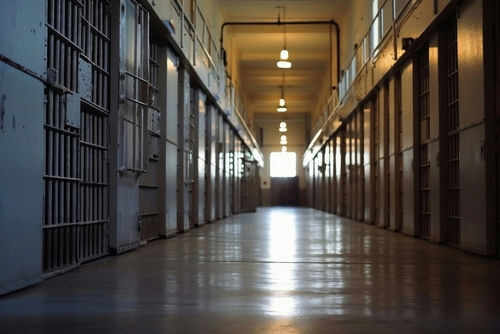
The James Foley Foundation reports that Valizadeh’s health has “greatly deteriorated” in custody, noting that he suffers from asthma and significant dental problems worsened by overcrowding and poor air quality in Evin Prison.[1] The group says he shares a cell with multiple men and has been “repeatedly denied proper nutrition and medical care,” describing conditions that became even harsher after an Israeli strike on the prison and a subsequent Iranian crackdown that drove overcrowding even higher.[1]
The Committee to Protect Journalists cites his brother’s account that after the attack on Evin, authorities transferred Valizadeh to Fashafouyeh Prison, described as “dangerously overcrowded and medically inadequate,” where “extreme neglect and inhumane conditions” severely damaged his health.[2] He was later moved back to Evin, but Iran International reports that his current ward is known as an “exile ward” with lice infestations, unsanitary, overcrowded conditions, limited medical care, and restricted family visits, deepening the pressure on prisoners already in fragile health.[3]
Show Trial Justice And Hostage Diplomacy
Advocacy organizations and media accounts paint a consistent picture of a sham legal process used to keep Valizadeh as a political hostage. The James Foley Foundation says he was arrested by the Islamic Revolutionary Guard Corps in 2024 after returning to Iran on a commander’s promise of safety, then sentenced to ten years on vague “collaboration with a hostile government” charges, without real due process.[1] United Against Nuclear Iran adds that he was detained in Evin Prison without access to a lawyer, according to claims made in October 2024.[5]
The Committee to Protect Journalists reports that his trial at Iran’s Revolutionary Court violated basic fair‑trial rights: during the first session only the indictment was read, his lawyer could not mount a defense, and the second hearing lasted under forty minutes, with the judge blocking questions and arguments before issuing a decade‑long sentence tied to his work for Radio Farda.[2][3] Iran International notes that an appeals court upheld this punishment in January despite arguments that it was grossly disproportionate, reinforcing the sense that Iranian authorities never intended to give him a fair day in court.[3]
U.S. Wrongful Detention Designation And What It Means Now
The James Foley Foundation reports that in May 2025 the United States Secretary of State officially designated Valizadeh as “wrongfully detained,” a legal label Washington reserves for cases it views as political hostage‑taking rather than normal criminal matters.[1] Radio Free Europe/Radio Liberty likewise describes him as “wrongfully detained” and notes he has been imprisoned for more than five hundred days in Evin, which sits in a neighborhood that has come under heavy bombardment, increasing physical danger for detainees trapped inside.[4]
It was haunting to hear the voice of former @RFERL @RadioFarda_ journalist Reza Valizadeh on @CBSEveningNews tonight. He's speaking to us from Evin Prison and asking for help. We must bring him home @freerezav https://t.co/cEKlLtyUdN
— Deniz Yüksel (@denizyuksel130) June 5, 2026
While advocacy groups drive much of the current information, international human‑rights reporting on Iranian prisons generally supports claims of overcrowding, poor ventilation, insect infestations, and denial of medical care for prisoners with serious health conditions. None of the available material includes Iranian medical files or on‑the‑record prison statements that rebut specific allegations about asthma, dental problems, or hunger‑strike‑related risks; instead, Tehran has largely stayed silent as a journalist with American citizenship pleads for basic treatment and justice from behind its prison walls.[1][2][3]
Sources:
[1] Web – Journalist in Iran’s Evin Prison pleads for medical help for him, U.S. …
[2] Web – Iranian-American Journalist on Hunger Strike in Evin Prison
[3] Web – Reza Valizadeh Still in Evin Prison as Conditions Deteriorate
[4] Web – A Q&A with Iranian-American journalist Reza Valizadeh’s brother
[5] Web – Reza Valizadeh – Foley Foundation
[6] Web – Reza Valizadeh – United Against Nuclear Iran | UANI