
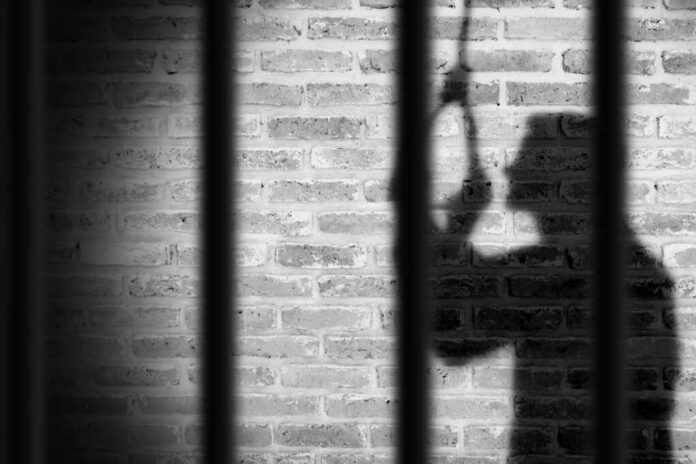
As Iran hangs protesters and rounds up thousands in wartime “security” sweeps, the world is getting a hard reminder of what happens when a regime with no respect for God-given rights feels threatened.
Story Snapshot
- The United Nations reports at least 21 executions and over 4,000 arrests in Iran since late February, tied to the war with the United States and Israel.
- Many victims are protesters and opposition supporters swept up under vague “national security” charges, not just spies or saboteurs.
- Reports describe torture, coerced confessions, and mock executions as Tehran tightens its grip on a terrified population.
- The crackdown shows exactly why Americans must defend the Constitution, free speech, and due process at home while confronting hostile regimes abroad.
UN Confirms Wave of Executions and Mass Arrests in Wartime Iran
The United Nations human rights chief Volker Türk now says Iran has executed at least 21 people and arrested more than 4,000 others on national security-related charges since February 28, when the current conflict with the United States and Israel erupted.[5] Those executed include nine people linked to January 2026 protests, ten accused of membership in opposition groups, and only two executed on espionage charges.[5] That breakdown undercuts Tehran’s attempt to portray this surge as a narrow counterintelligence campaign.
United Nations reporting explains that these arrests and executions fall under Iran’s broad “national security” laws, which the regime routinely uses against peaceful dissent.[5] Officials bundle protesters, political opponents, and alleged spies into the same category, then rush them through Revolutionary Court-style proceedings that are often closed to the public. United Nations statements do not provide case files, but they emphasize that the regime itself links several executions directly to protest activity, not battlefield sabotage.[5]
Reports of Torture, Coerced Confessions, and Disappeared Prisoners
The Office of the United Nations High Commissioner for Human Rights says detainees in this crackdown have faced torture, cruel and inhuman treatment, mock executions, and televised confessions extracted under duress.[5] Families report enforced disappearances, with prisoners moved to unknown locations and denied contact with lawyers. A United Nations release warns that conditions in Iran’s prisons are “dire,” citing severe overcrowding, shortages of food, water, hygiene supplies, and medicine, and denial of proper medical care.[5]
Specific alarm has been raised over the deteriorating health of Nobel Peace Prize laureate Narges Mohammadi and prominent human rights lawyer Nasrin Sotoudeh, who are both held in these abusive conditions.[4][5] United Nations officials say some detainees have died in custody under suspicious circumstances suggesting torture. While outside observers still lack full medical and forensic records, the pattern fits years of documented behavior by the Islamic Republic: use of pain, fear, and isolation to break political opponents, followed by “confessions” that are broadcast as propaganda to intimidate the rest of the country.
Tehran’s Security Narrative Collides with Basic Human Rights
Iranian authorities insist that many of those executed or detained are spies for the United States, Israel, or Western intelligence services, using formal charges like espionage, terrorism, and “waging war against God.”[2][3] State-linked outlets have named some executed prisoners and claim they provided information on sensitive sites, including the Natanz nuclear facility, or aided wartime sabotage.[2][3] Yet neither Iranian courts nor state media have released detailed indictments, trial transcripts, or verifiable evidence showing that each conviction rested on legitimate proof rather than coerced statements.[2][5]
The United Nations critique is pointed on that front. Türk has urged Iran to halt all further executions, establish a moratorium on the death penalty, and “fully ensure due process and fair trial guarantees,” including access to counsel and genuine appeals.[5] He notes that most of those executed since the war began were tied to protests and opposition groups, not strictly espionage cases.[5] That mixture of political dissent and alleged spying makes it impossible, with current information, to separate legitimate security enforcement from pure repression — and history suggests the regime prefers to blur that line on purpose.
Why This Wartime Crackdown Matters to American Conservatives
This Iranian dragnet is not just a distant tragedy; it is a living example of why the American Founders insisted on limits to government, transparent courts, and God-given rights that no politician or judge can erase. In Iran, broad “national security” statutes function like a permanent emergency law, allowing authorities to criminalize speech, assembly, and even private beliefs whenever the regime feels threatened.[5] Wartime simply gives them a convenient excuse to accelerate the machine.
Iran: crackdown escalates
500 arrested (Feb–Mar 2026),
1,800+ (Mar–Apr),
900 officially identified.
30 women held in Vakilabad Prison, Mashhad;
42 detained in Ahvaz; mass arrests in Qasrqand, Shahin Shahr, Urmia #StopExecutionsInIran https://t.co/17BoCE28CK— IRAN HRM (@IranHrm) May 17, 2026
For conservative Americans who watched the left cheer speech codes, weaponized investigations, and pandemic-era emergency decrees, this should be a flashing warning sign. When government defines dissent as “dangerous,” due process as “optional,” and faith or opposition as “extremism,” free people quickly become subjects. Iran shows the end state of that mindset. The answer is not more globalism or toothless lectures from international elites, but a strong America that defends its own constitutional liberties while keeping ruthless regimes like Tehran in check.
Sources:
[2] Web – UN warns Iran escalating executions and mass arrests since February
[3] Web – UN says at least 21 executed, over 4000 arrested in Iran since war …
[4] YouTube – LIVE: UN Says Mass Crackdown in Iran Amid War: 21 …
[5] Web – Iran: Türk deplores crackdown on dissent, says rights of all Iranians …