
After three decades of delay, U.S. prosecutors are moving to hold Raúl Castro to account for a deadly shootdown that killed four Americans—and the push is finally reaching a federal grand jury, despite years of silence and stonewalling. [1]
Story Highlights
- U.S. officials say the government is taking steps to indict Raúl Castro for the 1996 Brothers to the Rescue shootdown that killed four people. [1]
- At the time of the attack, Fidel Castro led Cuba while Raúl commanded the armed forces, placing him in the chain of responsibility. [1]
- Florida lawmakers publicly pressed the administration to pursue charges, formalizing political backing for accountability. [3][4]
- The Justice Department has not released a charging document, underscoring ongoing grand jury review and procedural limits. [1]
What Prosecutors Are Pursuing And Why It Matters Now
U.S. officials familiar with the matter say the government is advancing an indictment of Raúl Castro, the former Cuban president, for his connection to the 1996 downing of two civilian Cessnas flown by Brothers to the Rescue over or near international waters, an attack that killed four people. Reporting states the case is moving through federal channels and would require grand jury approval, marking the most serious U.S. step toward individual accountability in this incident in decades. [1]
At the time of the shootdown, Fidel Castro was Cuba’s head of state and Raúl Castro led the armed forces. That chain-of-command context is central to the anticipated prosecution theory, which seeks to link state-directed military action against unarmed aircraft to a leader with direct control over the military. While the precise charges have not been released, the renewed momentum signals a break from years of inaction and suggests prosecutors believe jurisdiction and evidentiary hurdles can be met. [1]
What Happened In 1996 And The Case For Accountability
On a February day in 1996, two Brothers to the Rescue planes were shot out of the sky by a Cuban MiG-29, leaving four men dead and families in South Florida demanding justice. That lethal strike against civilian flyers galvanized Cuban-American communities and hardened U.S. attitudes toward Havana’s regime. The public record ties the shootdown to Cuban state action, forming the factual basis for demands that responsible decision-makers—particularly those commanding the military—face consequences under U.S. law. [1]
Advocates point to on-camera accounts and reporting that describe Cuban infiltration of Brothers to the Rescue and public statements by Cuban leaders acknowledging operations against the group. Those claims have fueled calls for charges but remain partially uncorroborated in the present public record, which lacks sworn filings naming Raúl Castro as personally ordering the attack. Prosecutors’ reported movement toward indictment indicates they are prepared to test command responsibility and extraterritorial jurisdiction in court. [2]
Congressional Pressure And The Politics Surrounding The Case
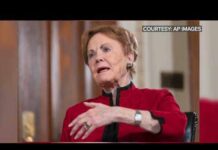
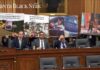
Florida lawmakers intensified pressure with a formal push urging indictment, reflecting organized political support from South Florida’s delegation and underscoring the case’s deep resonance with victims’ families and Cuban exiles. Public events highlighted the demand for justice, placing the administration squarely behind accountability efforts. The congressional press release documenting this call adds procedural clarity: elected leaders are coordinating to back federal action, ensuring the matter does not stall inside bureaucratic channels. [3][4]
By JOSHUA GOODMAN, ALANNA DURKIN RICHER and ERIC TUCKER MIAMI (AP) — The Justice Department is preparing to seek an indictment against former Cuban President Raúl Castro, three people familiar with the matter told The Associated Press on Frid… https://t.co/VEJAMjmw8W
— Capital Gazette (@capgaznews) May 15, 2026
The Department of Justice has not publicly released a charging instrument, and a spokesperson declined comment according to reporting, so the exact counts, jurisdictional basis, and evidentiary exhibits remain under seal or in preparation. That procedural reality carries two implications. First, the absence of a docket means specific legal theories cannot yet be verified in detail. Second, grand jury review suggests the government is serious about advancing the case, with the outcome hinging on admissible proof and careful application of U.S. law. [1]
How Conservatives Should Read The Stakes
Families have waited thirty years for accountability after a hostile regime used a military jet to destroy civilian aircraft. Conservatives value the rule of law precisely because it protects life and liberty against unlawful state violence. The administration’s movement toward indictment, coupled with congressional support, reflects a commitment to justice and a rejection of the old pattern of looking the other way. The test now is whether prosecutors can translate a moral imperative into a legally durable case. [1][4]
Limitations, Next Steps, And What To Watch
Key records remain unavailable: no unsealed indictment, no posted counts, and no court-verified narrative laying out Raúl Castro’s personal culpability. Reporting emphasizes that a grand jury must approve charges before they become public, and the Justice Department’s silence keeps specifics opaque. Watch for a filed indictment, a confirmed venue, and clear statutory grounds addressing extraterritorial reach and command responsibility. Those documents will show whether this long-delayed accountability effort is finally ready for court. [1]
Sources:
[1] Web – U.S. moving to indict Cuba’s Raúl Castro, sources say – CBS News
[2] YouTube – Cuba’s Raul Castro’s indictment is set to coincide with Miami event …
[3] YouTube – Lawmakers press for indictment of ex-Cuban President Raúl Castro
[4] Web – Salazar, Díaz-Balart, Giménez, and Malliotakis Call for Indictment of …