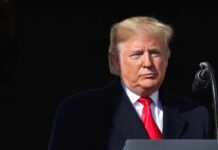


President Trump’s new artificial intelligence review plan puts Washington inside the gate before the next big model reaches the public.
Quick Take
- The Trump administration has moved to review advanced closed artificial intelligence models before release.
- The policy is framed as a voluntary security check, not a full licensing system.
- Officials say the goal is to reduce national security risk while keeping American innovation moving.
- The plan marks a sharper federal role in a fast-growing industry that has mostly resisted hard rules.
What the Trump Administration Launched
President Trump signed Executive Order 14409 on June 2, 2026, directing agencies to harden federal systems against artificial intelligence risks and work with private firms on advanced model security. Reporting on the order says the administration is also asking companies to let the government examine powerful closed models before public release. That review window is described as voluntary and limited to about 30 days.
The move follows weeks of reports that the White House was weighing government supervision of emerging artificial intelligence systems. Reuters reported that White House officials briefed major firms on the plan before the order was signed, and later coverage said the Commerce Department’s national standards agency would evaluate some new systems before launch. OpenAI said it would comply with the order, showing the policy is already shaping industry behavior.
Why Supporters Say the Review Matters
Backers of the plan argue that closed models can create real security risks if they are released with unknown capabilities. A pre-release review gives federal experts a short window to test for harmful uses, weak safeguards, and possible abuse by hostile actors. That logic fits a conservative instinct for ordered freedom: protect the country first, but avoid a blanket system that locks down private innovation or hands too much power to unelected regulators.
The policy also reflects a practical problem. Artificial intelligence tools can spread quickly, while Congress has not built a full statutory framework for model licensing. In that vacuum, the White House is using an executive order and voluntary coordination instead of a hard permit system. Research on artificial intelligence governance says governments often choose softer, faster review programs when they want expert scrutiny without creating a rigid rulebook that could slow new products.
How the Policy Could Affect Big Tech
The biggest companies will feel the new process first because they build the most advanced frontier systems. Reporting specifically named Google, Microsoft, and Elon Musk’s xAI as firms whose models could face federal testing before launch. That is a major shift from the old hands-off model that let Silicon Valley move fast and ask questions later. For many readers, that old approach helped fuel the same elite overconfidence that shaped other failed policy trends.
The White House has finished a framework that gives the government 30 days to review the most advanced AI models before they ship.
None of it applies to open-weight AI, because the policy covers only closed-source products.
The Trump administration invited staff from OpenAI,… pic.twitter.com/dqyjGNibhu
— Rohan Paul (@rohanpaul_ai) August 5, 2026
Still, the plan stops short of a full federal veto. The review is described as voluntary, which matters because it leaves room for company cooperation instead of an automatic licensing regime. That makes the policy less heavy-handed than the worst Washington schemes, but it also raises a simple question: will voluntary participation be enough if a future model creates a serious national security threat? The answer will depend on how much real access the government gets in practice.
What Happens Next
The next phase will likely turn on implementation. Agencies now have to turn broad White House direction into workable review steps, security checks, and clear lines for company participation. The administration will also have to show that the process protects Americans without turning into another sprawling federal program that slows down growth, encourages bureaucracy, or gives favored firms an edge over smaller rivals. That balance will decide whether the policy becomes useful oversight or just another Washington promise.
For Trump supporters, the move has a familiar appeal. It shows the administration is willing to confront a powerful industry instead of treating Big Tech as untouchable. It also avoids the kind of sweeping command-and-control rule that conservatives have long resisted. The real test is whether the White House can keep the process tight, focused, and useful, while defending both national security and the freedom that made American technology dominant in the first place.
Sources:
insiderpaper.com, npr.org, reuters.com, cybersecuritydive.com, washingtonpost.com, tomshardware.com, cnbc.com