
Investigators uncovered bones and a hidden wall safe at a Philadelphia “house of horrors” now linked to seven missing women, intensifying a sprawling forensic dig and digital evidence review.
Story Highlights
- Police found bones at 417 West Chew Avenue; lab tests will determine if they are human.
- Investigators tied at least seven missing women to the property through photos and videos.
- Authorities are reviewing about 600,000 images, 70,000 videos, and 10,000 pages of writings.
- Search teams returned to excavate the yard and recheck rooms after new leads emerged.
Bones Recovered At Chew Avenue Property
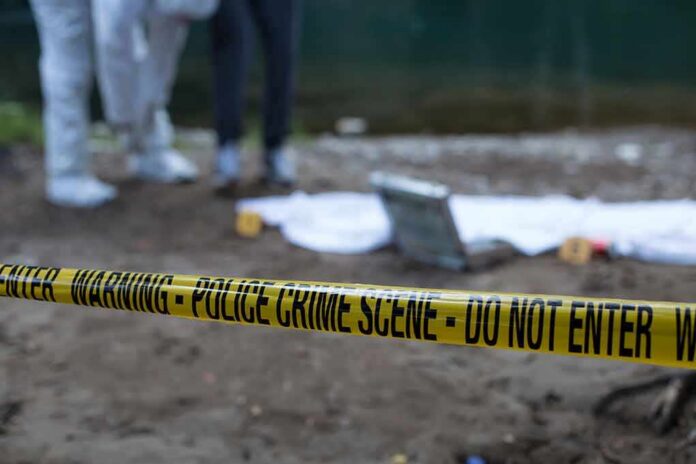
Philadelphia investigators called the Medical Examiner to 417 West Chew Avenue after finding bones at the home tied to multiple missing women. Officials said the bones will be examined in a laboratory to determine if they are human and whether they connect to any of the cases. Crews focused on the backyard and dug in targeted areas flagged during earlier searches. The find pushed detectives to widen the scene and prepare for more days of sifting and cataloging evidence for chain-of-custody review.
Police later confirmed they located bones in the yard as teams expanded the dig. A law enforcement source said the property is connected to at least seven missing women based on recovered media. The Medical Examiner worked on site to collect the remains and preserve possible DNA. Detectives kept the perimeter tight and coordinated with federal partners to protect the site. Officials did not release names tied to the bones and warned tests could take time to complete.
Digital Cache Links Seven Women To The House
Investigators reported finding more than one million digital files, including images and videos from inside the home. Based on this cache, police have tied at least seven missing women to the property. Detectives say they are still sorting, tagging, and comparing files with missing person records. The volume of media extends beyond the first pass, so teams will keep cross-checking files against known dates and tips. Officials said these links drove the decision to return for a deeper search.
A police inspector described a working set of about 600,000 images, 70,000 videos, and 10,000 pages of writings and drawings under review. That tally reflects only a share of the total digital trove, which remains in active analysis. Forensic teams are tracking where, when, and how each file was created. They are also building a timeline of who appears in the materials and what rooms match the scenes. These steps support interviews and guide new search warrants as needed.
Hidden Safe, Forensic Digs, And Case Status
Detectives returned to the Olney home to excavate both front and back yards and reexamine interior spaces flagged by new analysis. Reports described recovery of a hidden safe within the walls during the latest pass. Police have not detailed the safe’s contents publicly. The search follows months of cataloging digital files and mapping the home’s layout. The renewed effort aims to secure any trace evidence, recover potential remains, and align physical finds with the digital footprint.
The investigation centers on the late Raymond “R.C.” Horsch and the property he occupied, while his relative, Eugene Horsch, remains in federal custody on separate firearms and drug charges tied to earlier warrants at the address. Officials have warned the public that the evidence review is complex and will take time. While police believe several women may be deceased, authorities said lab results and further digs are needed to confirm identities and causes of death before any final determinations.
Public Safety, Accountability, And Next Steps
Philadelphia police said the search will continue in stages, with more soil screening, room-by-room checks, and digital matching. Federal partners are assisting on technical work to verify the origin and integrity of files. Detectives asked the public to share tips on missing loved ones who may be seen in photos or videos. Officials said they will release confirmed identifications first to families, then to the public, after the Medical Examiner and detectives align the findings with the case record.
Eugene Horsch's attorney, Jerome Brown, called the investigation into his client and the alleged "house of horrors" in Olney a "runaway train" in an exclusive interview with CBS News Philadelphia. pic.twitter.com/bComxkilAi
— CBS Philadelphia (@CBSPhiladelphia) October 17, 2026
Families of the missing deserve straight answers and a full accounting. That requires disciplined evidence handling and steady work. Big-city crime and drugs often target the most vulnerable, which is why communities expect swift action and tough prosecution when facts are in. This case now has bones recovered, a massive digital trail, and an active yard dig. The mission is clear: finish the search, name the victims, and deliver justice without delay, politics, or excuses.
Sources:
nypost.com, abcnews.com, ground.news, phillyburbs.com, cbsnews.com