
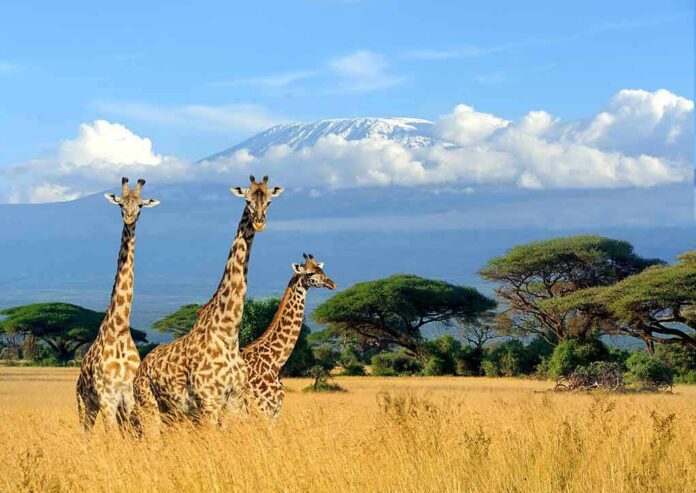
A first-ever live animal birth at the Cincinnati Zoo turned a quiet night into a global watch party, as Tessa the giraffe welcomed her fifth calf on camera for the world to see.
Story Highlights
- The Cincinnati Zoo livestreamed an animal birth for the first time in its history.
- Tessa, a 20-year-old Masai giraffe, delivered her fifth calf as viewers watched online.
- Indoor and outdoor habitat feeds gave the public a front-row seat to the moment.
- The event fits a wider push by zoos to use live video for education and transparency.
Zoo Confirms First Live-Broadcast Animal Birth
Cincinnati Zoo leaders said this would be the first animal birth they have ever broadcast live, and they delivered. Local outlets reported the plan after a press conference, where zoo director Dave Jenike said cameras would follow Tessa around the clock as she neared her due date. The announcement drew national attention. It set clear terms: this was a first for Cincinnati, not a global record, and it aimed to let families see nature happen in real time.
Reporters said the zoo activated multiple feeds so viewers could see both the inside stall and the outdoor yard as staff monitored Tessa’s progress. Coverage described Tessa as a 20-year-old Masai giraffe carrying her fifth calf, with the birth expected “any day” and likely to be her last. The setup was simple and direct. It put the animal front and center, with no paywall and no gimmicks. That choice invited trust and set a high bar for public access.
What Viewers Saw As Tessa Gave Birth
Viewers watched the lead-up, the labor, and the first careful steps of a newborn calf. Zoo updates and local reporting tied the on-screen moments to staff actions, like monitoring, cleaning, and making sure mom and baby bonded safely. The livestream preserved privacy for keepers but let the public see the process without filters. That balance matters. It shows how a civic institution can share real science and animal care without turning it into a circus.
The zoo’s decision also built on past digital efforts. Years ago, the zoo live-tweeted a giraffe birth to high engagement, but video adds far more context than text posts can give. This time, the open stream turned a local event into a shared community moment, from classrooms to living rooms. For many kids, seeing a giraffe calf take its first breath is better than any textbook. For parents and grandparents, it offered a wholesome, family-safe program that did not talk down to viewers.
Why This Matters Beyond One Giraffe Stall
Experts say social media and live video can boost public education and trust when used with care. Other zoos have shown that streams of births and keeper talks can reach tens of thousands worldwide and help explain how animals are cared for and why conservation matters. Cincinnati’s first birth livestream fits that model. It uses simple tools to lift public understanding, not scold it. It treats viewers as partners who can learn by watching real work, start to finish.
For the first time in Cincinnati Zoo history, we are planning to livestream a birth. As Tessa the giraffe prepares to welcome her calf we are planning on sharing the special moment with the world! The cameras are LIVE NOW: https://t.co/QetB0pAWa9 https://t.co/kc16isWfFI pic.twitter.com/iLm4cDqrDH
— Cincinnati Zoo (@CincinnatiZoo) October 14, 2026
The zoo framed the event as “historic” in a clear, narrow sense: a first for Cincinnati’s own operations. That precision keeps the claim honest. It avoids the hype that often turns people off. For families who value common sense and transparency, this is how public institutions should act. Open the curtains. Show the process. Let people judge for themselves. When leaders do that, they earn trust, not demand it.
Sources:
youtube.com, cincinnatizoo.org, fox19.com, hoodline.com, wlwt.com, local12.com