
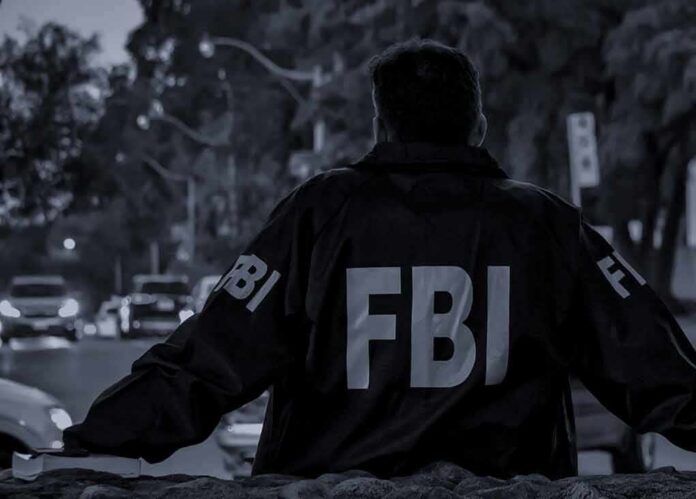
A Greenville man was arrested after police said he claimed to be an FBI agent and wore a badge-style lanyard during a dispute tied to stolen valor.
Story Highlights
- Police charged a 51-year-old man with impersonating law enforcement after a stolen valor argument.
- Court documents said he told officers he was a sworn officer and wore an “FBI Special Agent” lanyard.
- A judge set a $5,000 secured bond with a December 14 court date in Pitt County.
- North Carolina law bans falsely claiming to be a sworn officer and can apply to verbal claims or fake ID items.
Arrest Following Stolen Valor Dispute
Greenville Police Department officers arrested 51-year-old Elijah Spencer on October 24 after a dispute reportedly tied to stolen valor, and booked him on one count of impersonating law enforcement. A local magistrate set a $5,000 secured bond and a December 14 court date, marking a standard next step in the case. The reports do not list a plea. Police have not released a fuller incident narrative, and the name of the other person in the dispute was not included in the reporting.
According to a report citing the magistrate’s order, Spencer told a responding officer that he was a sworn law-enforcement officer. The same account described a lanyard that displayed “FBI Special Agent” alongside his name and language about investigating violations of United States laws. Military.com cited the same details and the court date, crediting the local report for the initial documentation of the charge. Both outlets framed the incident around a stolen valor argument.
What The Law Says About Impersonation
North Carolina law makes it a crime to falsely represent to another person that you are a sworn law-enforcement officer, which can include a verbal claim or showing something that signals official status to a reasonable person. A separate part of the law covers acting on that claim, like attempting a search or arrest, and carries different penalties. The current reporting does not specify which subsection prosecutors used, beyond the single count of impersonating law enforcement.
Federal law has long treated impersonating federal officers, including Federal Bureau of Investigation agents, as a serious offense, especially when someone uses the false identity to act as such or to demand something of value. Court guidance explains that pretending to hold federal authority, and then using that false power, crosses a clear legal line. The Greenville case is a state charge, but the core idea is similar: do not claim powers you do not have, and do not dress up a lie with props meant to fool people.
Why This Matters To Public Safety And Trust
Criminals who pose as officers can trick good people into letting down their guard. Families teach kids to respect badges, not to fear them. When someone wears a fake badge or makes a false claim, it erodes that trust and can put people in danger. Real officers must spend time sorting out hoaxes instead of stopping real crime. Clear action on impersonation helps protect seniors, veterans, and every neighbor who depends on honest law and order.
Police and courts in North Carolina now have the task of weighing the facts and applying the statute. The reported evidence includes Spencer’s alleged statement that he was sworn and the lanyard marked “FBI Special Agent”. Those details will matter as the court tests whether the law was broken. Until then, the message is simple: honor real service, do not fake it, and do not pretend to hold authority you do not have. The law backs that common-sense rule.
Sources:
military.com, witn.com, newsbreak.com