

House Republicans stopped an impeachment push against Defense Secretary Pete Hegseth with a narrow 211–204 vote, keeping a Trump administration official in place while a constitutional fight over war powers simmers.
Story Highlights
- House vote sent impeachment articles to committee, halting a floor trial.
- Resolution accused Hegseth of waging war in Iran without clear authorization.
- Both chambers previously backed a measure to end unauthorized Iran hostilities.
- Hegseth called the case a political stunt and denied any unlawful acts.
Narrow House Vote Shelves Immediate Impeachment Trial
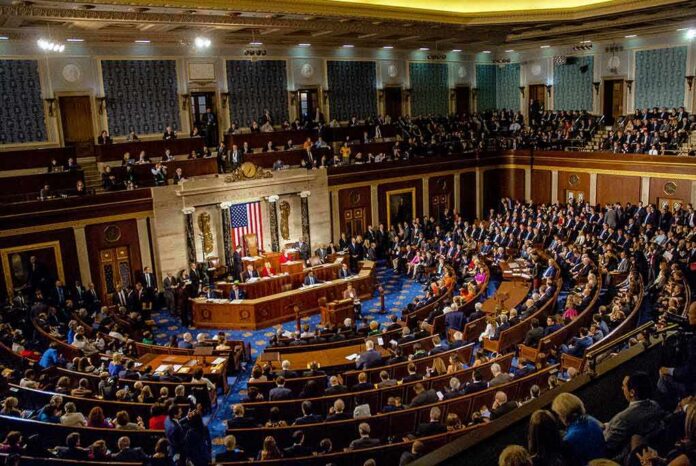
House leaders used a procedural vote to refer eight impeachment articles against Defense Secretary Pete Hegseth to the Judiciary Committee, 211–204. The move blocked a direct up-or-down vote on removal and effectively paused the effort. Reports described this as halting the drive for now, not judging guilt or innocence. The vote count was close, showing deep divisions. The decision leaves the charges in committee, where further action is uncertain this Congress.
Representative Thomas Massie used a privileged resolution to force consideration within two legislative days. That process signaled the filing met House rules and could reach the floor. Leadership chose referral instead of debate on the articles themselves. This tactic limited public review of the evidence and legal claims. Observers said referral often slows or ends such efforts during a busy session, especially late in the calendar year.
Core Claim: War Powers And The Iran Campaign
Reports said the articles centered on Iran operations that allegedly lacked a declaration of war, specific authorization, or an imminent threat. Three articles reportedly charged that Hegseth helped start hostilities without approval, continued them after both chambers told the President to stop, and pushed on past the sixty-day clock in the War Powers framework. The charges aimed at process and law, not policy results. Without the filed text, line-by-line evidence remains unseen.
The constitutional fight sharpened after Congress passed a concurrent resolution instructing removal of United States forces from unauthorized hostilities in Iran. The House approved it on June 3, 2026, and the Senate followed on June 23, 2026. That vote expressed Congress’s will to end involvement absent authorization. The public record in this package does not detail the administration’s formal legal response, leaving a gap on how executive lawyers framed compliance.
Other Allegations And Reported Incidents
Coverage said the eight articles also cited Pentagon boat strikes, an alleged strike that hit an Iranian school, retaliation claims tied to lawmakers, and a Venezuela operation targeting Nicolás Maduro. These points broadened the case beyond Iran. However, the research here does not include target packets, casualty data, or signed orders linking Hegseth personally to each action. That lack of documentary material in the record limits outside verification at this time.
Supporters of the impeachment push argued that legal boundaries matter most when force is used. They warned that ignoring Congress erodes the separation of powers that shields citizens from endless wars. They claim a pattern where presidents stretch authority and Congress retreats, especially after the War Powers Resolution’s repeated sidesteps. That long trend sets the backdrop for this dispute and raises stakes for future conflicts and their costs.
Hegseth’s Response And Republican Skepticism
Pete Hegseth rejected the charges and said every operation was lawful. He argued the missions targeted terrorists, blocked drug boats, and captured a narco-trafficking leader, which he said are not high crimes. He called the effort a stunt and said no evidence showed corruption or any other crime. Many House Republicans, while unhappy with aspects of the war, did not view his conduct as impeachable.
US Defence Secretary #PeteHegseth has survived an impeachment push after House Republicans voted 211–204 to refer the charges against him to the Judiciary Committee. Republican Congressman #ThomasMassie introduced eight articles of impeachment, accusing Hegseth of violating… pic.twitter.com/vNJDrKBZz3
— Free Press Journal (@fpjindia) November 11, 2026
Secretary of State Marco Rubio said Hegseth carried out direct orders from President Trump for Iran actions and other missions. That defense frames the secretary as executing commander-in-chief guidance, not freelancing unauthorized operations. The House vote outcome aligned with that view for now. Still, the committee referral leaves the door open for further review if members seek documents, testimony, and a fuller record on timing and legal justifications.
Why It Matters To Constitutional Conservatives
Conservatives want clear limits on government and a strong, lawful military. Congress holds the power to declare war and fund it. Presidents command the forces but must respect the guardrails. The House referral did not settle that balance. It only stopped this trial today. If Congress speaks through votes directing an end to hostilities, the executive branch should answer in public and on paper. Transparency and restraint protect troops, taxpayers, and the Constitution.
What To Watch Next
Watch whether the Judiciary Committee requests the filed impeachment text and any exhibits. Look for dates that tie operations to the sixty-day window, the Iran resolution’s passage, and any formal opinions from executive lawyers. Track whether Congress presses for targeting records or after-action reviews. These steps would move the debate from talking points to facts. That shift is how lawmakers can defend separation of powers without weakening national defense.
Sources:
defensedaily.com, congress.gov, cbsnews.com, bbc.co.uk, deadline.com, nytimes.com