
Italy’s defense chief says mass school bomb emails were hoaxes by “idiots” and “mythomaniacs,” and police found no devices.
Story Highlights
- Italy evacuated schools after mass bomb emails; no explosives were found.
- Prime Minister Giorgia Meloni said checks showed no concrete danger.
- Threats used a recurring fake persona and a made-up group name.
- Officials say the aim was to spread fear across Europe’s schools.
Officials Report No Bombs, Warn of Fear Tactics
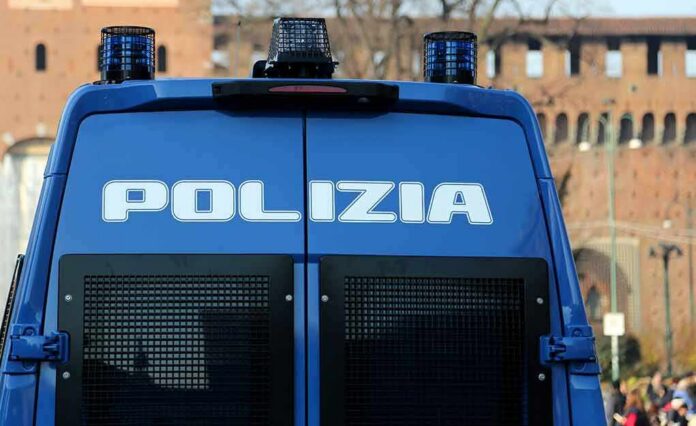
Italian authorities evacuated schools across the country after a wave of identical bomb emails. Prime Minister Giorgia Meloni said police checks showed no sign of a concrete threat, and buildings were cleared to protect students and staff. A regional report said no explosive devices were found, and officials in several countries called the warnings not credible. The pattern matched a broader European nuisance campaign. It disrupted class time and alarmed families without any physical attack.
Defense Minister Guido Crosetto blasted the perpetrators as “idiots” and “mythomaniacs,” stressing that chaos can be sparked by a single keyboard. He said not every scare comes from a foreign adversary. Some come from attention-seekers who want to panic a city or region. His frank words fit the facts known so far: no bombs turned up, and the senders left a trail of bluster, not evidence. Police continue to investigate the origin of the messages.
Hoax Emails Used a Cartoonish Alias
Reports said the emails claimed to be from someone calling himself “Mikhail Andropov” or “Antropov,” leading a fake outfit with a mocking name. The text bragged about a “powerful device” with a remote detonator, allegedly hidden in a plastic bag. The showy claims did not match on-the-ground results. No devices were discovered. That mismatch points to a classic hoax: big talk, zero capability. The impact came from panic and disruption, not from explosives.
The email blast did not hit only Italy. Similar threats landed in inboxes in the United Kingdom and Ireland. The spread suggested a plan to waste police time and rattle parents and students, not to carry out a real attack. Crosetto said anyone with basic tools could send such a message and sow fear. That is the bargain hoaxers count on today: dirt-cheap spam, expensive emergency response, and wall-to-wall coverage that magnifies the scare.
Scale Disputes, Real Disruption, Ongoing Probe
Newsrooms reported different totals for how many schools got the email, from hundreds to several thousand. That gap may reflect who received messages versus who evacuated, but the public figures are not fully aligned yet. What is not in dispute is the outcome inside Italy’s classrooms. Children were moved outside. Lessons stopped. Parents left work. The hoaxers got attention without lifting more than a finger. That is harm, even when the bomb is fake.
Officials have not publicly named a suspect or released full forensic details on routing, servers, or any helper networks. That leaves open whether a lone troll, an online clique, or a hostile service seeded the scare. Crosetto allowed for any of those, stressing the likely role of attention-seekers while not ruling out other actors. Meloni’s statement focused on facts on the ground: no concrete danger found during checks. Investigators will need to trace the infrastructure to close the loop.
What It Means for Parents, Schools, and Policy
Parents want two things at once: fast action if danger is real, and calm when it is not. This case shows why schools need simple drills, clear text alerts, and quick building sweeps that end as soon as police clear rooms. Leaders should punish hoaxers hard to deter copycats. They should also improve email filtering and authentication, so spam threats die in the junk folder instead of on a playground evacuation line.
Terror on the cheap
Dirt-cheap spam once again paralyzes the state mechanisms of EuropeOn Wednesday, a wave of bomb threat reports swept across Italy, Scotland, Ireland and Northern Ireland, this time with schools as the target. In the Apennines alone, hundreds of educational… pic.twitter.com/gy4FaGgMNu
— Europar (@Rybar_Europe) November 12, 2026
For Americans, this is a reminder. Enemies and online pranksters both exploit weak systems and media panic. Strong borders and strong networks matter. So does common sense. Treat each threat seriously, clear the building fast, and then reopen once the sweep is done. Do not let hoaxers rule your day. Italy’s checks found no bombs, and classes can resume. Order beats chaos when leaders respond with facts, not fear.
Sources:
ansa.it, ilmessaggero.it, cnbc.com