
Scott Bessent says a newspaper image helped expose his home’s location, and he has now moved his family onto a military base for safety.
Story Highlights
- Treasury Secretary Scott Bessent relocated to a military base after serious threats tied to Iran.
- Bessent accuses Wall Street Journal editor Emma Tucker of “reckless journalism” for a geolocatable home photo.
- Anonymous sources say security concerns rose after the photo, prompting the move.
- The case spotlights rising threats to officials and risks from image-based geolocation.
Bessent Confirms Relocation Under Secret Service Guidance
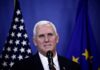
Scott Bessent, President Trump’s Treasury secretary, confirmed he moved from his Washington-area home to a military base after receiving threats. He said he followed instructions from the United States Secret Service to protect his family. Reuters reported that people familiar with the matter linked the move to threats tied to Iran. Bessent said he is complying with security advice until the danger eases. He did not share the base location, which is standard to keep protection strong.
Television and online reports quote Bessent saying, “So I follow the Secret Service instructions and have moved from my home to a military base.” He stressed that the threats were serious and ongoing. He described the situation as part of a wider surge in risks faced by top officials. He said the government’s job is to keep policy steady while staying safe. He thanked security teams for their round-the-clock work and urged media to act with care when publishing sensitive details.
Accusation Against the Wall Street Journal Editor
Bessent directly named Emma Tucker, the editor of the Wall Street Journal, accusing her of authorizing an image of his house that allowed it to be geolocated. He called the decision “reckless journalism” and linked it to increased danger for his family. Reuters reported that an aerial photo of his Georgetown mansion ran in the Journal and that it could be matched to the home’s location, heightening concern among security staff soon after publication. The Wall Street Journal’s internal decision process was not published.
The British Broadcasting Corporation, citing a source relaying information from Columbia Broadcasting System, reported a clear sequence: after the Journal posted an online photo that allowed his home to be geolocated, security concerns rose, and authorities then moved Bessent to a base. The same reports note that these attributions rely on people familiar with the situation. That is common during live security cases where officials limit details to protect methods and personnel.
Known Facts About the Home and the Threat Context
Reuters reported Bessent purchased a $12.5 million Georgetown mansion after his January 2025 confirmation. That price and timing made the property notable, as he is a senior federal official. Sources told Reuters the Journal published an aerial view of the property as part of its coverage. The reporting tied the relocation to threats believed to come from Iran or Iran-linked actors. Security professionals often treat images that reveal identifiable landmarks as risk multipliers when threats are active.
Experts widely explain that an image does not need GPS data to reveal a location. Visual cues like roof lines, street patterns, and nearby landmarks can allow a match with public mapping tools. Training guides used by journalists and investigators describe this method as geolocation, and they warn that detailed photos of residences can enable harassment or worse when hostile actors are searching. This risk grows when foreign adversaries target American officials during tense periods.
Press Freedom, Safety, and Common-Sense Boundaries
America protects a free press, but common sense says do not help bad actors find a target’s door. Courts and lawmakers continue to debate how to balance public interest with safety. Several states limit public release of home addresses for officials and judges due to doxing and threats. First Amendment advocates also warn against broad bans. The goal is clear rules and prudent judgment, not gag orders. Bessent’s case shows how one image can fuel a fast security response.
What Comes Next for Security and Accountability
Federal security teams will keep adjusting protection for Bessent while Iran-linked threats remain a concern. News outlets will face harder choices about publishing images that can be traced to a private home. Responsible reporting can inform the public without drawing a map for enemies. For readers, this is a reminder: hostile regimes test our resolve, and domestic carelessness can make their job easier. Strong borders, strong defense, and basic caution at home all matter right now.
Sources:
facebook.com, rawstory.com, mezha.net, independent.co.uk, x.com, crowd.cs.vt.edu