
Los Angeles County reported the highest early-season West Nile virus toll in nearly a decade, with officials confirming 100 infections and five deaths by September 21, 2026.
Story Highlights
- County officials said 100 infections and five deaths by September 21 marked an unusually severe early season.
- Health reports later showed 2026 infections were above the five-year average for the same period.
- Vector districts found far more virus-positive mosquito pools and infected birds than in 2025.
- Experts linked warm winter and high humidity to longer-lived, more infectious mosquitoes.
County Confirms Unusually High West Nile Activity
Los Angeles County Public Health reported 100 West Nile virus infections and five deaths by September 21, 2026, calling it the highest early count in nearly a decade. County briefings throughout fall documented elevated activity compared with recent years. The county Arbo Report later stated the 2026 season exceeded the five-year average for the same calendar window, underscoring that the surge was not just a timing fluke. Officials urged residents to drain standing water, use repellent, and protect doors and windows.
Public health tracking showed that human infections rose alongside environmental signs. Local vector control teams detected many more virus-positive mosquito samples than the prior year, and more infected dead birds. These findings matched the rise in human cases and pointed to wider ecological spread, not only improved testing. Health agencies also reminded residents that most infections are mild or symptom-free, which means confirmed case counts can understate total infections in the community.
Weather And Habitat Factors Drove Risk Higher
County and city health officials pointed to a warm winter and late-summer humidity as key drivers of risk, saying recent sticky weather likely helped mosquitoes live longer and spread the virus to more people. The Los Angeles Times reported that record humidity and El Niño conditions added moisture and heat that favor mosquitoes, which thrive in warm, wet environments. Longer mosquito life means more bites and more time for the virus to move from infected birds to people.
Vector districts documented the shift on the ground. The San Gabriel Valley Mosquito and Vector Control District reported 384 positive mosquito samples and 78 infected dead birds by late September 2026. That compared with 104 positive mosquito samples and two infected birds at the same point in 2025, signaling a sharp jump in viral circulation. These indicators help agencies act faster, since rising positives in traps and birds often precede more human illness.
How To Protect Your Home And Family
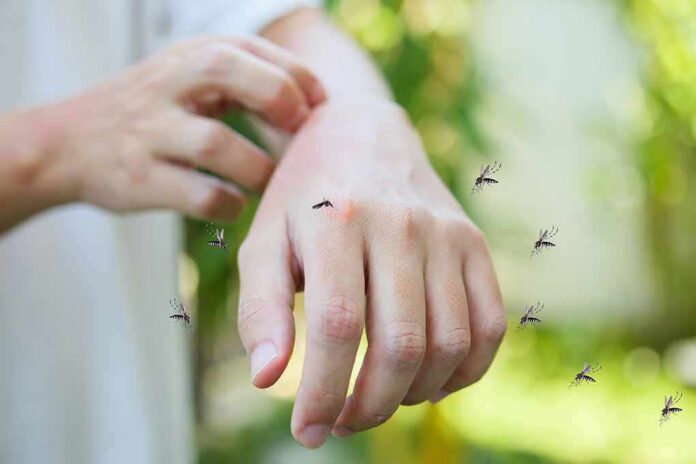
Residents can cut risk with simple steps. People should tip and toss standing water weekly, especially in buckets, planters, and clogged gutters. Screens should fit windows and doors tight. Repellent with DEET, picaridin, or oil of lemon eucalyptus helps when outside at dawn or dusk. Light, long sleeves and pants can reduce bites. Seniors and people with weak immune systems face higher risk for severe disease. Families should check on neighbors who need help with yard and home upkeep.
Los Angeles is facing a significant public health challenge as West Nile virus cases surpass 180. Officials report that record-breaking heat and environmental conditions have created a breeding ground for a surge in Aedes mosquito populations across the pic.twitter.com/PdtWWunW5J
— Azat TV (@azattelevision) October 11, 2026
Personal responsibility goes hand in hand with local action. Vector control crews treat storm drains and respond to tips, but they cannot patrol every yard. Communities see the best results when residents report green pools, clear trash, and keep outdoor areas dry. That teamwork reflects a common-sense approach that respects freedom and protects neighborhoods. It avoids the heavy hand of new mandates, fines, or statewide rules that miss local needs and waste money while the threat grows in our backyards.
Why Early Numbers Matter—And Their Limits
Early-season tallies guide response, but they often change as reports arrive from clinics and labs. Los Angeles County’s initial 100-case, five-death count captured the threat at that point in time. The later Arbo Report showed higher totals and confirmed 2026 outpaced the five-year average for the same period. That pattern reflects normal reporting lags, not confusion. The stronger takeaway is clear: 2026 West Nile activity ran hot, and the virus found the gaps in local prevention.
What Comes Next For Southern California
West Nile risk in Southern California can stretch into fall. Agencies continue trapping, testing, and treating until colder, drier weather slows mosquitoes. Residents should keep up precautions through the season, not just on peak-heat days. Local data remain the best compass for action, including trap results, infected birds, and new human cases. Staying alert now helps avoid rushed, one-size-fits-all policies later, and keeps decisions close to families and communities rather than distant bureaucracies.
Sources:
feedpress.me, lacounty.gov, latimes.com