
Elon Musk now says death is a fixable software problem, and that claim is already stirring debate about how far technology should reach into human life.
Quick Take
- Musk said longevity is an “extremely solvable problem” and called death a human programming issue.
- He said human lifespans could rise sharply as artificial intelligence improves fast.
- He also warned that extreme longevity could bring serious social downsides.
- His prediction rests on his own view of aging, not on public clinical proof.
Musk Frames Aging As An Engineering Problem
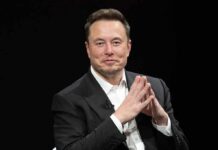
Elon Musk told Peter Diamandis that longevity is “extremely solvable” and “not particularly hard.” He said people are “programmed to die” and argued that changing that program could help people live longer. Fortune reported those remarks after Musk linked aging to a body-wide pattern that, in his view, should make the root cause easier to spot.
Musk also said the answer may come from better biological tools and faster computing. The same reporting says he believes artificial intelligence could help scientists figure out what causes aging and then rewrite that process. That is a very different claim from ordinary health advice. It treats aging like a code problem that a machine can help solve, not like a mystery with no clear path forward.
His Timelines Are Bold And Wide Open
Musk went further by backing a fast timeline for major gains in lifespan. He agreed with Dario Amodei’s view that human lifespans could nearly double in the next decade, though Musk said he was not sure about “doubling.” He also said he expects artificial general intelligence in 2026 and believes artificial intelligence could exceed the intelligence of all humans combined by 2030.
Those predictions matter because Musk is tying aging research to the pace of artificial intelligence. If machines do become far better at biology, his case looks stronger. If they do not, the whole argument weakens. That is why many readers will see this as more than a health story. It is also a test of whether Musk’s biggest timelines still match reality.
Even Musk Says Longer Lives Could Bring Risks
Musk did not present longer life as an all-good outcome. In related reporting from the World Economic Forum, he acknowledged that reversing aging could have serious downsides and social risks. That matters because critics often worry that very long lives could freeze power, slow change, or widen gaps between the rich and everyone else. Musk did not give a full policy plan, but he did admit the tradeoffs are real.
Elon Musk makes 4 bold predictions for the next decade
From the January 06, 2026 interview with Peter Diamandis:
#1 Human lifespans will nearly double in the next decade
Asked what he thinks of Anthropic CEO Dario Amodei’s prediction that human lifespans will double in the… pic.twitter.com/4ULdcxthTr
— Radio Ranger (@robjohnsonshow) July 4, 2026
The bigger issue is proof. The public remarks cited in the research package show Musk’s confidence, but they do not show published clinical data, a named biological mechanism, or peer-reviewed results that demonstrate age reversal in humans. That leaves his case hanging on his own judgment. For supporters, that sounds like bold vision. For skeptics, it sounds like another big promise waiting for hard evidence.
Why This Claim Draws So Much Attention
Musk’s language fits a wider pattern among tech billionaires who treat death as a technical problem. That idea has long attracted large sums of money, but it has also drawn distrust from readers who have seen too many grand predictions miss their mark. Fortune’s reporting also notes his earlier optimistic timelines on other technologies, which will make some people cautious about taking this forecast at face value.
Still, the core message is simple. Musk is not talking about a fantasy of escaping aging through vague hope. He is saying the body may run on a fixable system, and that artificial intelligence could help unlock it. Whether he is right or not, the claim lands in a country already tired of experts who overpromise and underdeliver. This time, the promise is not just comfort or convenience. It is life itself.
Sources:
zerohedge.com, fortune.com, instagram.com