
A viral Capitol Hill clash has reignited a familiar problem in American politics: when heated soundbites go public, truth gets flattened and trust gets burned.
Quick Take
- Rep. Andy Ogles (R-TN) drew backlash after telling a CodePink activist, “I think we should kill them all,” then specifying he meant “Everybody in Hamas.”
- Ogles later doubled down online, saying he was “clearly referencing Hamas terrorists” and defending Israel’s right to punish Hamas “on a scale of Biblical proportions.”
- Some coverage and critics treated the remark as a call for violence against Palestinians, while Ogles argued it was anti-terrorist rhetoric tied to Oct. 7.
- The user’s prompt about a reporter saying “I hope they kill the Orange MF” appears separate from the core, well-sourced hallway video story and is not supported by the provided news citations.
What Happened in the Capitol Hallway
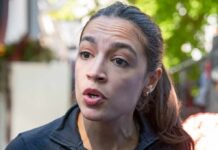
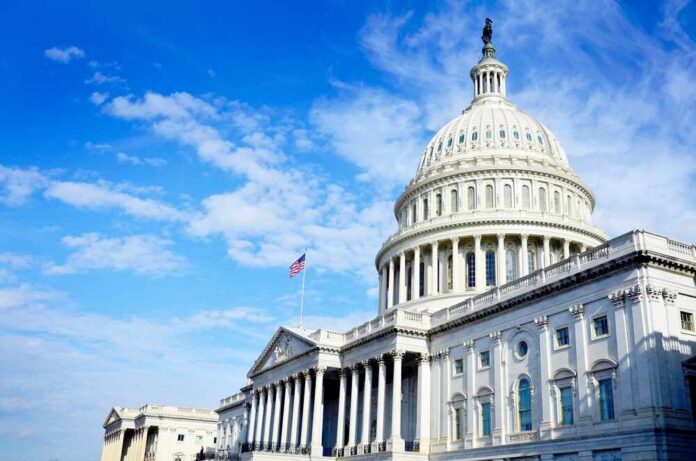
Rep. Andy Ogles became the center of a new political firestorm after a short, tense exchange in a U.S. Capitol hallway was recorded and widely shared online. A CodePink activist confronted him about deaths of children in Gaza and argued that U.S. taxpayer aid supports bombing. In the clip described by multiple Tennessee outlets, Ogles responded, “I think we should kill them all,” then clarified he meant “Everybody in Hamas.”
The disagreement is not over whether Ogles used inflammatory language—he did—but over what his target was in context. Reporting indicates he immediately pointed to Hamas and referenced atrocities from the Oct. 7, 2023, attack. Still, the exchange shows how quickly a few seconds can become a political weapon: opponents highlight the most explosive phrase, supporters emphasize the qualifier about Hamas, and the public is left sorting fragments instead of full arguments.
Ogles’ Clarification and the Competing Narratives
After the clip spread, Ogles issued a statement on X defending his remarks and casting the confrontation as a pro-Hamas provocation. He said he was “clearly referencing Hamas terrorists” and criticized media coverage as hostile, while reiterating support for Israel’s right to respond forcefully. That follow-up matters because it narrows what he says he intended. It does not erase the rhetorical temperature, but it provides a clearer claim that can be judged.
Some reporting also notes a complicating detail: beyond the “everybody in Hamas” line, one account described Ogles as grouping Hamas and Palestinians together in a way critics argue broadens the target of his anger. That distinction drives much of the backlash. When elected officials speak in sweeping terms during wartime, even a momentary lack of precision invites the worst interpretation—and modern media incentives reward the worst interpretation because it travels faster.
Why This Lands in a Raw Spot for Americans
For many conservatives, the confrontation fits a pattern: activists stage viral ambushes, politicians respond bluntly, and legacy outlets emphasize outrage over context. For many liberals, the clip fits a different pattern: politicians normalize dehumanizing language during a conflict where civilians are dying. Both reactions reflect a deeper, shared frustration that Washington often communicates through slogans and clips rather than careful, accountable debate—especially when foreign policy and U.S. aid are involved.
The “Orange MF” Claim: What the Research Can and Can’t Support
The user’s topic references a separate allegation that Ogles said a reporter remarked, “I hope they kill the Orange MF.” The strongest, verifiable documentation in the provided research set centers on the Israel-Gaza hallway exchange and Ogles’ subsequent statement about Hamas. The three cited news articles do not substantiate the “Orange MF” quote. Social media posts reference the claim, but without a corroborating, English-language news citation here, it remains an allegation outside the documented core event.
What This Episode Signals Politically
Republicans controlling Washington in Trump’s second term does not eliminate the incentive structure that produces these blowups; it may intensify it. Viral conflict becomes a fundraising tool, a media commodity, and a shortcut to tribal validation—while the actual questions voters care about remain unresolved: how Congress oversees foreign aid, what conditions (if any) attach to it, and how leaders maintain moral clarity without slipping into language that undermines America’s stated principles.
Until lawmakers, activists, and media institutions reward precision over provocation, these cycles will keep repeating. Ogles’ defenders are right that Hamas is a designated terrorist organization and that Oct. 7 remains central to understanding Israeli security claims. Critics are right that public officials should avoid rhetoric that sounds like collective punishment, because words shape policy and public tolerance. The immediate lesson is simple: in an era of clip-based politics, every sentence is a potential headline.
Sources:
Rep. Ogles responds to backlash after stating ‘kill them all’ to pro-Palestine activists