
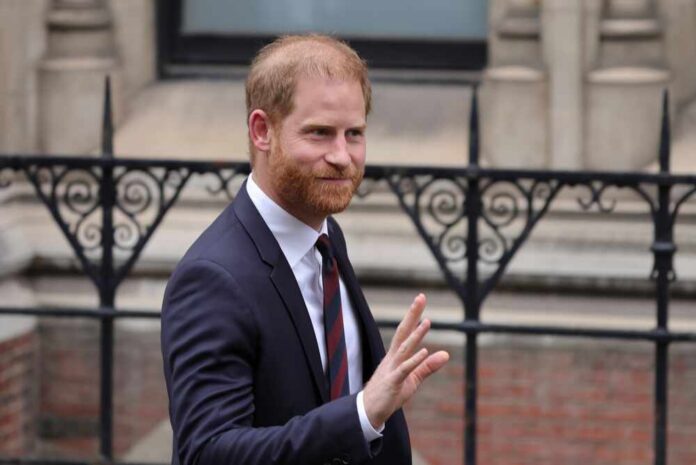
President Trump publicly dismissed Prince Harry’s Ukraine commentary during an Oval Office press conference, claiming he represents the United Kingdom more than the non-working royal does—a remarkable clash just days before King Charles arrives in Washington for a state visit.
Story Snapshot
- Trump sarcastically rejected Prince Harry’s call for increased U.S. involvement in ending the Ukraine war, stating Harry does not speak for Britain
- The president’s pointed remarks came Thursday during a press conference, with King Charles’s state visit scheduled for Monday
- Royal experts warn Harry’s continued political commentary risks deepening family rifts and undermining the monarchy’s tradition of political neutrality
- Trump inquired about Harry’s wife and offered mock appreciation for the prince’s “advice,” highlighting Harry’s diminished official status
Presidential Rebuke Exposes Royal Rift
President Trump delivered a withering response Thursday when asked about Prince Harry’s recent public statements urging greater American leadership in resolving the Ukraine conflict. Standing in the Oval Office, Trump declared that Harry does not represent the United Kingdom and boldly asserted his own claim to speak for Britain more credibly than the California-based prince. The president’s sarcastic tone underscored Harry’s precarious position as a former working royal who surrendered official duties but continues inserting himself into geopolitical debates, creating diplomatic awkwardness for both governments.
Timing Compounds Diplomatic Complications
The exchange comes at a particularly sensitive moment, occurring just days before King Charles’s scheduled Monday state visit to the United States. Trump recently received unprecedented honors during a September state visit to the United Kingdom, including a ceremonial display featuring 120 horses and 1,300 troops, demonstrating the importance both nations place on maintaining strong diplomatic ties. Harry’s Kyiv visit and subsequent Ukraine commentary, whether deliberate or poorly timed, inject unnecessary friction into what should be a celebration of the U.S.-UK special relationship during a period when King Charles reportedly seeks family reconciliation while managing cancer treatment.
Pattern of Political Missteps Draws Criticism
Royal observers and commentators have expressed mounting concern over Harry’s repeated departures from the monarchy’s longstanding tradition of political neutrality. Kinsey Schofield, a royal podcaster, characterized Harry’s recent Trump criticism on Stephen Colbert’s show—where he jokingly referenced George III and anti-monarchy protests—as “reckless” rather than clever, warning it jeopardizes any hope of reconciliation with his father. Royal experts on Fox News emphasized that Harry’s insertion into partisan politics, particularly following Trump’s successful UK visit, demonstrates “terrible judgment” that contrasts sharply with the respect and honors the president received from the British establishment.
Power Dynamics Highlight Harry’s Diminished Status
Trump’s dismissive response effectively weaponizes the reality that Harry holds no official government role or authority to speak on behalf of Britain. The president’s question—”How’s his wife?”—served as a calculated reminder of Harry’s current standing as a private citizen residing in California with Meghan Markle, far removed from the levers of power. This dynamic amplifies the awkwardness of Harry’s position: he retains global name recognition and media access but lacks the institutional backing that once gave weight to royal pronouncements. Lady Victoria Hervey and other royal commentators note the Palace is unlikely to issue public rebuke, but private dismay seems certain given the timing ahead of the King’s diplomatic mission.
The broader implications extend beyond a single verbal sparring match. Many Americans across the political spectrum increasingly question why unelected figures, whether European royals or unaccountable bureaucrats, should influence U.S. foreign policy decisions. Trump’s response resonates with citizens frustrated by elites lecturing Americans on how to conduct their affairs while enjoying privileged lifestyles disconnected from ordinary people’s struggles. Harry’s advocacy might stem from genuine concern about Ukraine, but his approach reinforces perceptions of tone-deaf elitism at a moment when millions of Americans face economic pressures from inflation and government mismanagement. The incident serves as another reminder that traditional institutional authorities—whether royal families or permanent Washington establishments—face growing skepticism from citizens demanding accountability and common sense over credentialed pronouncements from those who never face voters or consequences for their advice.
Sources:
Prince Harry’s ‘Reckless’ Trump Swipe Exposes ‘Terrible Judgment,’ Widens Royal Rift: Experts