
Conflicting death tolls out of socialist-run Venezuela are sowing chaos, but U.S.-led rescue aid is surging in anyway.
Story Highlights
- U.S. military lift, ships, and satellite support are aiding rescue teams on the ground [1].
- United Nations says 25 international teams and about 1,000 rescuers deployed to Venezuela [1].
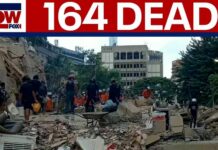
- Venezuelan officials give clashing death counts, fueling public confusion [1][4].
- Modeling of mass casualties risks drowning out confirmed rescues and real-time aid [9].
International Response Ramps Up As Data Conflicts Mount
United Nations officials reported 25 search and rescue teams deploying, with about 1,000 personnel from at least 17 countries now in Venezuela to help quake victims [1]. Crews from Chile, Colombia, El Salvador, Italy, Mexico, Switzerland, and the United States are already operating. Venezuelan authorities also reported more than 860 volunteers arriving from over a dozen countries to support local responders [1]. These numbers show a wide global response moving fast, even as reports from Caracas offer mixed signals on casualties and damage.
The United States committed significant assets early. Reports say the Pentagon sent transport planes, helicopters, and two Navy ships to move supplies and support evacuations. The United States Space Force is providing satellite imagery to guide planners on the ground [1]. This lift matters. Roads are damaged, airports are strained, and coastal access is key. Quick air and sea power shortens delivery times for food, water, and medical teams. That saves lives in the tight rescue window.
Conflicting Death Tolls Undercut Trust, Obscure Rescues
Venezuelan leaders have issued clashing death counts since midweek. Acting President Delcy Rodríguez declared a state of emergency and later cited hundreds dead, while other officials referenced far higher figures on state broadcasts [4]. Foreign outlets also repeated different numbers, including a tally over 1,400, without a single unified official count [1]. This confusion spreads online fast. Families want facts, not noise. Mixed numbers slow planning, strain morale, and risk misdirecting scarce rescue resources.
Some outlets and commentators highlighted a United States Geological Survey model suggesting the death toll could reach very high levels. That projection can help planners prepare, but it is not a confirmed count. One trade report echoed the large fatality risk band while also noting a damage estimate of about 6.7 billion dollars mapped to impacted areas [9]. Responsible reporting must separate modeled risk from verified results, so the public understands what is known, what is unknown, and where help is landing right now.
What We Know About Rescues, Teams, And Needs
Authorities cited at least 243 people rescued in the first morning after the quakes, with searches ongoing across several hard-hit zones [1]. United Nations spokespeople said 17 national urban search units and emergency medical teams are part of the current surge [1]. The rescue window is tight after major quakes, and every hour counts for trapped survivors. That is why heavy lift, specialized gear, and canine teams are critical. The field picture is still fluid, and casualty numbers remain under review.
Argentine footballer Lucas Trejo loses wife, two children in Venezuela earthquake as de@th toll nears 1,500, with over 50,000 still missing
Argentine footballer Lucas Trejo has suffered a heartbreaking personal loss after his wife and two children were confirmed d+ad in the… pic.twitter.com/NBYZOEYOTo
— Instablog9ja (@instablog9ja) June 29, 2026
Acting President Delcy Rodríguez’s emergency declaration aimed to speed resources and authority to responders [4]. But the government has not published a clear, consolidated casualty database or transparent damage methodology. Media reports cite tens of thousands missing, yet provide no breakdown for how those figures were verified [1]. Independent verification from international bodies would help. Clear logs for volunteer intake and deployment would also increase trust and efficiency as more aid arrives.
Why This Matters To Americans
America steps up when disasters hit, and this time is no different. U.S. forces are moving supplies, providing imagery, and helping open critical routes [1]. That support reflects core American values: help the suffering, cut red tape, and use our strength for good. It also shows why a strong military and space capability matter. When minutes mean lives, lift, logistics, and eyes in the sky turn chaos into action. That is the real story behind the headlines.
Hold Leaders Accountable, Follow Verified Facts
Conflicting numbers out of Caracas demand scrutiny. Citizens and the media should press for a single, verified casualty count and posted damage assessments. Accurate data directs aid to those most in need. Until then, focus on what is confirmed: international teams are on the ground, rescues continue, and U.S. support is flowing by air and sea [1]. Stay wary of viral figures without sourcing. Honor the victims and the rescuers by insisting on facts and results over speculation [4][9].
Sources:
[1] YouTube – LIVE: Rescuers search for victims of Venezuela earthquakes
[4] Web – Venezuela earthquakes: Nearly 7 million may be impacted — UN
[9] YouTube – Dozens killed in twin Venezuela earthquakes, aftershock reported