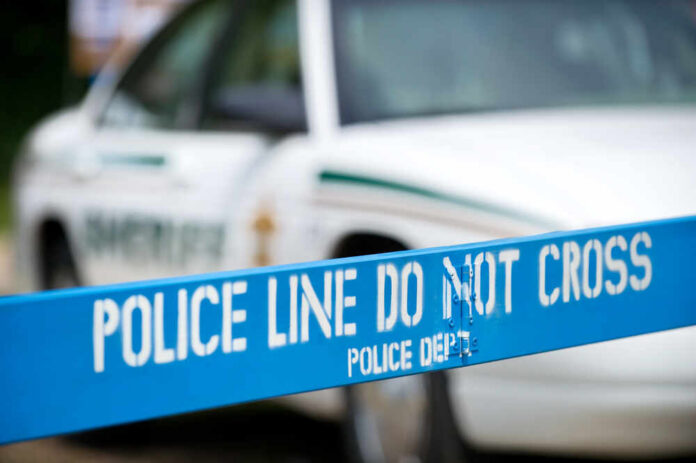
A deputy U.S. marshal was gunned down serving a fugitive warrant in Louisiana, and federal agencies are now tightly controlling basic facts about the shooting.
Story Snapshot
- A deputy U.S. marshal was shot and killed while serving an arrest warrant on a fugitive in Alexandria, Louisiana, according to federal authorities.
- The suspect opened fire within seconds of officers arriving, then held police in a standoff before being taken into custody with injuries.
- Federal Bureau of Investigation (FBI) leaders are calling the case an “assault on a federal officer,” even as many details remain undisclosed.
- Officials have not released the names of the fallen marshal, the suspect, or the underlying charges, limiting public scrutiny and local trust.
Deputy Marshal Killed Trying To Arrest Fugitive In Alexandria
A deputy U.S. marshal was shot and killed on Monday while serving an arrest warrant on a fugitive at a home in Alexandria, Louisiana, according to the U.S. Marshals Service. The Rapides Parish Sheriff’s Office says its detectives and members of the U.S. Marshals Violent Offender Task Force went to the Rutland Road area around 3 p.m. to arrest a wanted fugitive, and an officer-involved shooting took place almost immediately after they arrived. Federal authorities state the suspect fired the shots that killed the marshal during this attempt to serve the warrant.
The suspect then engaged local, state, and federal officers in a tense standoff at the home before finally being taken into custody. The Rapides Parish Sheriff’s Office reports the suspect sustained injuries during the incident and was transported to a local hospital for treatment. CBS affiliate KALB reports the standoff lasted about three hours, with neighbors describing multiple gunshots within seconds of officers’ arrival and families rushing children indoors for safety. Federal officials say the suspect is now in custody as the case moves into the investigation stage.
Federal Investigation And Tight Control Of Information
The Federal Bureau of Investigation (FBI) office in New Orleans is leading the investigation and has already labeled the shooting “an assault on a federal officer,” a framing that carries serious legal weight and signals how Washington views the attack. The Rapides Parish Sheriff’s Office and Louisiana State Police are also involved in investigating the shooting, but officials say the probe is “very active and ongoing” and are refusing to share more details at this time. So far, authorities have not released the name of the slain deputy, the suspect, or the reason law enforcement was trying to catch him, including what crime the fugitive was wanted for.
This withholding of basic information stands out, especially in a close-knit community that wants answers and a chance to honor the fallen officer properly. Without names, citizens cannot independently check employment records, prior history, or court documents to better understand what led to the deadly encounter. Neighbors have described the suspect as a “good man” with no clear signs of violence, which makes the lack of transparency about the warrant and charges even more concerning for people trying to square official claims with their own experience. These gaps leave space for doubt and frustration on all sides.
A Dangerous Pattern: Marshals Face Deadly Risks Serving Warrants
This tragedy in Alexandria fits a long pattern of deputy marshals killed while trying to arrest dangerous suspects, especially during fugitive operations. The U.S. Marshals Service “Roll Call of Honor” lists hundreds of line-of-duty deaths going back to the founding era, including many officers shot while serving warrants or civil papers. Modern history shows several similar cases in Louisiana alone, such as Deputy Josie Lamar Wells, who was shot and killed in 2015 while his fugitive task force tried to arrest a double-murder suspect at a Baton Rouge motel. In that case, the suspect was also shot and later died.
Deputy U.S. Marshal Shot and Killed While Serving Arrest Warrant on Fugitive in Alexandria, Louisiana — Suspect in Custody
Link in the comment section. pic.twitter.com/gAhFImRfDP
— The Gateway Pundit (@gatewaypundit) July 14, 2026
Investigations by independent outlets have found that U.S. Marshals fugitive task forces often operate with broad autonomy, using aggressive tactics and facing deadly threats, yet with less outside oversight than many local police units. Between 2015 and 2020, at least five marshals or task force members were killed while trying to make arrests, including one death from friendly fire. Other reports show clusters of marshal-involved shootings in states like Arizona, where at least eleven people were killed in ten incidents since 2015. These numbers highlight the real risk marshals accept to keep violent offenders off the street, but they also raise hard questions about how these operations are planned, monitored, and explained to the public afterward.
Accountability, Transparency, And What Comes Next
For conservative Americans who back law enforcement and respect the rule of law, the loss of a deputy marshal is a solemn reminder of the price paid to protect communities from fugitives who refuse to face justice. At the same time, many readers expect government agencies to honor both the fallen officer and the public by releasing core facts once immediate safety concerns pass. That includes the marshal’s name, the suspect’s name, the exact charges on the arrest warrant, and eventually body camera footage or other video if it exists. Those details allow citizens to see whether deadly force was unavoidable or if mistakes were made.
Right now, major media stories lean almost entirely on official statements from the U.S. Marshals Service, the FBI, and Rapides Parish authorities, with no independent on-the-ground investigation beyond brief neighbor reactions. Conflicting reports about how long the standoff lasted and what happened in those first seconds show why more thorough, transparent reporting matters. As the investigation continues, conservatives can watch closely for whether federal and local officials open their files, release forensic findings, and let the facts speak clearly—or whether this case becomes another example where Washington asks for trust while keeping the most important information behind closed doors.
Sources:
thegatewaypundit.com, cbsnews.com, facebook.com, backstoppers.org, latimes.com