
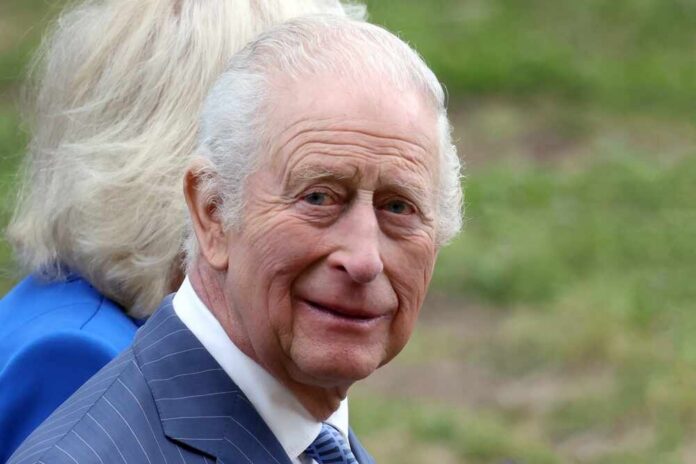
King Charles III’s vague reference to “victims” during his congressional address sparked controversy when Buckingham Palace revealed it was meant to acknowledge Jeffrey Epstein survivors—yet the monarch refused to meet them face-to-face, citing legal constraints that many see as a convenient excuse to shield the royal family from accountability.
Story Snapshot
- Palace confirmed King Charles intended his “victims” remark during April 28 Congress speech to include Epstein survivors, though he never named them explicitly
- Buckingham Palace declined survivor requests for meetings, citing ongoing UK legal proceedings involving Prince Andrew’s alleged Epstein ties
- Epstein survivor Sharlene Rochard called the King’s indirect acknowledgment a “missed opportunity,” expressing disappointment over lack of direct engagement
- Rep. Ro Khanna had publicly urged the King to recognize survivors before the speech, raising expectations that went largely unfulfilled
Palace Confirms Indirect Epstein Reference
King Charles III addressed a joint session of Congress on April 28, 2026, delivering remarks focused on shared US-UK values and societal challenges. During his speech, he referenced “victims of some of the ills that, so tragically, exist in both our societies today” without naming specific groups. Hours later, a Buckingham Palace aide confirmed the King had Jeffrey Epstein’s abuse survivors in mind when crafting that line. The clarification came only after media inquiries and public pressure from advocates who had hoped for explicit recognition during the address itself.
The palace’s post-speech explanation raises questions about whether genuine compassion or damage control motivated the acknowledgment. For survivors who have fought for years to hold powerful figures accountable, vague sympathy expressed through anonymous aides offers little comfort. This approach allows the monarchy to claim moral sensitivity while avoiding the uncomfortable specifics of Prince Andrew’s documented associations with Epstein’s trafficking network. The strategy protects institutional reputation at the expense of transparency—a pattern familiar to anyone watching elite accountability vanish behind legal technicalities and carefully managed public relations.
Legal Barriers Block Survivor Meetings
Despite pleas from Epstein survivors and advocacy from Rep. Ro Khanna, King Charles and Queen Camilla refused to meet with victims during the US state visit. British Ambassador Christian Turner cited “very clear legal reasons” tied to ongoing UK proceedings involving Prince Andrew, who settled a civil lawsuit in 2022 without admitting liability. The palace framed this refusal as legally prudent rather than morally evasive, though survivors interpreted it as prioritizing royal protection over victim recognition. Prince Andrew’s February 2026 designation as “Mr Mountbatten-Windsor” in palace statements attempted distancing the King from his brother’s scandal.
The legal excuse feels hollow when powerful institutions routinely find ways to engage sympathetically with victims without jeopardizing court cases. Survivors seeking acknowledgment are not demanding confessions or settlements—they want to be heard by someone who carries influence over the family member implicated in Epstein’s crimes. The palace’s refusal suggests concern that even symbolic meetings could generate PR complications or embolden legal claims, revealing priorities tilted toward institutional preservation rather than human decency. This mirrors frustrations many Americans feel when government officials hide behind procedure instead of confronting hard truths.
Political Pressure and Survivor Disappointment
Rep. Ro Khanna hosted a Capitol Hill roundtable with Epstein survivors on the morning of April 28, building expectations that King Charles would offer direct acknowledgment during his congressional address. Khanna stated publicly before the speech, “I fully expect the king to be acknowledging the Epstein survivors,” noting the British ambassador had suggested the King might include such recognition. When the speech delivered only oblique references to unnamed “victims,” survivor Sharlene Rochard expressed disappointment on NBC, calling it “a missed opportunity” and emphasizing survivors had hoped for clear acknowledgment of their experiences.
The gap between Khanna’s pre-speech hype and the King’s actual words highlights the disconnect between political theater and substantive action. Survivors were used as props for moral posturing—invited to roundtables and promised recognition—only to receive carefully worded platitudes designed to avoid controversy. This pattern repeats across the political spectrum: elites express sympathy for victims when cameras roll, then retreat behind lawyers and protocol when accountability demands action. For conservatives frustrated by selective elite responsibility and liberals angry at power shielding the privileged, this episode confirms suspicions that the system protects its own while ordinary citizens seeking justice get polite dismissals.
Sources:
King Charles Wanted to Acknowledge ‘Victims’ in His Congressional Address – Town & Country
Epstein could be mentioned in King’s speech – Politico
King’s reference to ‘victims’ in speech had Epstein survivors in mind, palace says – The Independent