

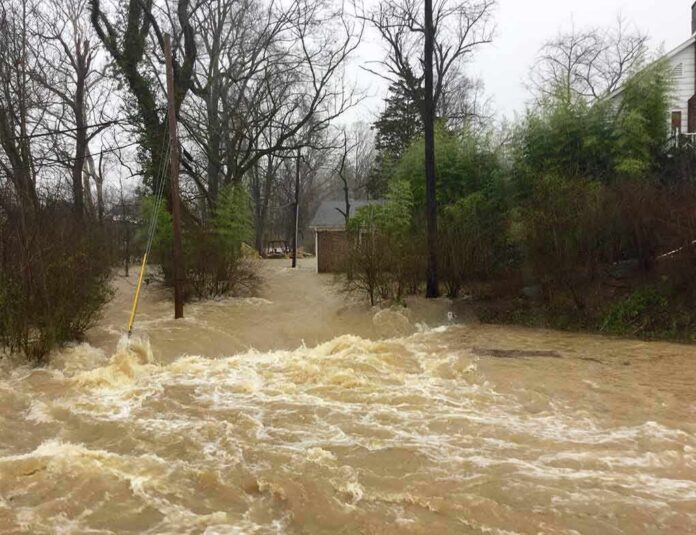
A powerful nor’easter is pounding the East Coast with dangerous winds and coastal flooding, forcing families to brace for outages and travel chaos.
Story Highlights
- National Weather Service warns of strong winds, flooding, and beach erosion through the weekend.
- Alerts stretch from North Carolina to New England, with peak risks in Massachusetts and Rhode Island.
- High wind and coastal flood warnings aim to protect life and property during high tides.
- Travel delays and power outages are likely as the storm lingers near the coast.
Nor’easter Intensifies And Targets The Coast
National Weather Service forecasters say the nor’easter is strengthening offshore and will keep pushing water and wind onshore from North Carolina to New England through the weekend. Offices warned of prolonged rough surf, flooding at high tide, and dangerous beach erosion, especially along the east coast of Massachusetts and the south coasts of Massachusetts and Rhode Island. Weather models show the slow movement will extend the pounding waves and strong gusts into multiple tide cycles, raising risk for property damage and road closures.
Forecasters and private services expect the most dangerous period from Friday night into Saturday night in southern New England, including Rhode Island, eastern Massachusetts, Long Island, and parts of coastal New Hampshire and Maine. Along parts of the Mid-Atlantic, officials issued high wind, storm, gale, and coastal flood warnings. The briefings highlight persistent north to northeast winds that trap water in bays and back bays, a setup that often floods low spots for several tide cycles in a row.
Where Impacts Hit Hardest And When
Storm surge and battering waves will peak around high tide. AccuWeather and the National Weather Service warn of a multi-day threat of strong onshore winds, heavy rain bands, and significant coastal flooding through September 27, with the worst conditions shifting from the Mid-Atlantic toward New England into the weekend. A stretch from New Jersey to Massachusetts faces the highest coastal risks as the center drifts north, with damaging winds and scattered power outages possible as saturated soils meet strong gusts.
From the Outer Banks to the Jersey Shore, forecasters caution that water could pile up two to three feet in flood-prone areas, with moderate to major coastal flooding possible over parts of Delmarva and minor to moderate levels over the southern half of New Jersey into Saturday. Beach erosion is likely to be widespread due to long-duration pounding surf. The Weather Channel reports gusts topping 40 miles per hour along exposed coasts, with rough seas and rip currents making marine travel hazardous.
Travel, Power, And Safety: What To Do Now
Airlines and highways may see delays as crosswinds and bands of heavy rain swing inland at times. The National Weather Service urges drivers to avoid flooded roads, obey barricades, and plan around high-tide windows in known flood zones. Mariners should remain in port until warnings ease. Residents should secure outdoor items, charge phones and batteries, and prepare for possible power outages from tree limbs brought down by strong, persistent winds and saturated ground.
4 AM Top-of-the-Hour News
The sound of gusty winds and an angry Atlantic Ocean as a strong Nor-easter hits the East Coast. It already has churned up rough surf from North Carolina to New England and is expected to cause heavy rain, flooding and beach erosion through the weekend.… pic.twitter.com/PP1FgoY11X
— Worldwide News Network (@WorldwideNNX) September 26, 2026
Local emergency briefings stress clear, simple steps that save lives during coastal flooding. Officials use direct alerts to push timely actions before conditions worsen, because tide timing and local geography can quickly turn a “manageable” situation into a dangerous one. Coastal flood messaging works best when it is clear and urges early action, which is why warnings are out now rather than later. Families who prepare today reduce risk to life, home, and small business as the storm peaks.
Bottom Line For Coastal Communities
Forecast guidance is consistent: this is a long-duration coastal event with damaging surf, coastal flooding, and strong winds, especially in southern New England and parts of the Mid-Atlantic. The National Weather Service has already issued coastal flood warnings and advisories, with emphasis on Massachusetts and Rhode Island shorelines where prolonged beach erosion and pockets of moderate flooding are possible. Stay weather-aware, track local tide times, and follow local officials. Early preparation protects your family, your home, and your freedom to recover quickly.
Sources:
yahoo.com, forecast.weather.gov, weather.com, usatoday.com