
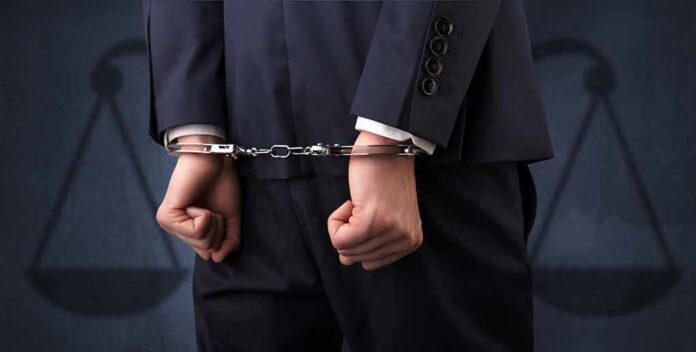
Federal prosecutors say a Nevada man ran a $105 million semi-truck “investment” that paid earlier investors with new cash and funded luxury spending, triggering a sweeping indictment and forfeiture push.
Story Highlights
- A federal grand jury indicted Kristopher Lunsford on wire fraud and money laundering charges.
- Prosecutors seek forfeiture of about $105.9 million tied to the alleged scheme.
- Hundreds of victims were promised “guaranteed” weekly payouts from truck leases, prosecutors say.
- Authorities allege some funds paid earlier investors, a classic Ponzi pattern.
Indictment Alleges Massive Semi-Truck Investment Fraud
Federal prosecutors in Florida announced charges against Kristopher Lunsford, 46, of Henderson, Nevada. A grand jury indicted him on six counts of wire fraud and two counts of money laundering. If convicted, he faces up to 20 years in prison on each wire fraud count and up to 10 years on each money laundering count. Prosecutors moved to seize about $105,940,214.93 that they say traces to the scheme. The case centers on promises of easy money from semi-truck leasing.
The Justice Department says hundreds of people across the country were targeted. Reporters in Tampa noted residents there were among the victims. Prosecutors say investors were told they could buy into individual trucks for a set amount and then collect fixed weekly payouts. The pitch promised steady “guaranteed” returns from trucking profits. Prosecutors call that false because actual returns allegedly came from new investor money, not real profits.
How The Pitch Worked And What Investigators Say Happened
According to public filings and news reports, the sales hook looked simple. People were told to invest tens of thousands of dollars per truck and expect weekly income of around one thousand dollars. That sounds like real, asset-backed work. Prosecutors say the weekly payouts depended on constant new cash. Authorities describe a textbook cycle where incoming money covered earlier promises and a lavish lifestyle, not a functioning fleet.
Ground reports echo the same core pattern. They say investigators found that new deposits paid old obligations. That is the hallmark of a Ponzi setup. Prosecutors also allege spending on luxury items while investors believed their money bought working trucks on the road. The government’s description points to misused funds and a structure that could not last without fresh victims feeding the machine.
What Federal Officials Seek And What Victims Can Do
Prosecutors are asking the court to forfeit more than $105.9 million. That money figure tracks the scope they tie to the alleged crimes. The counts charge wire fraud and money laundering, which target both the pitch and the movement of funds. The penalty exposure is severe. Wire fraud statutes carry high maximums because they strike at the heart of trust in markets and honest work. The money laundering counts aim at tracing and recovering the proceeds.
Local coverage says the victim pool spans hundreds of ordinary Americans. Some put in savings. Others tapped retirement or home equity. Many believed the trucks were real and rolling, and that freight demand would cover the payouts. When returns slow or stop, these schemes collapse fast. People who think they are victims should preserve records, emails, and contracts. They can also watch the United States Attorney’s updates for restitution or claim steps as the case moves ahead.
Why This Matters For Conservative Readers
This case warns about “guaranteed” returns on complex businesses. Trucking is real work with thin margins, fuel swings, and tough wear on equipment. Promoters who promise easy passive income often hide risk. That preys on savers and retirees. Conservatives value honest enterprise and personal responsibility. Prosecutors say this scheme did the opposite. It shifted risk to families while dressing up hype as hard assets. That violates trust and hurts the backbone of our economy.
The pattern is not new. Federal officials have charged similar operations that use the image of real trucks to sell certainty that does not exist. That is why rule of law matters. President Trump has backed tougher fraud enforcement that targets scams while protecting lawful business. When prosecutors build solid cases and recover assets, they defend workers, small businesses, and retirees. That is how we keep markets free and fair without smothering honest companies under red tape.
Sources:
wfla.com, fox13news.com, ground.news