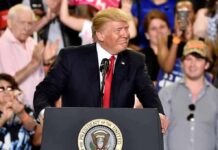

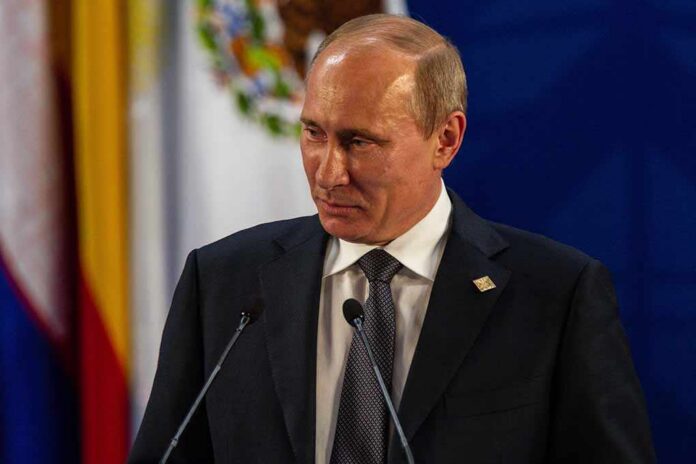
Russia says it will consider a U.S. invitation for Vladimir Putin to attend December’s G20 summit in Miami, opening the door to high-stakes talks on American soil.
Story Highlights
- Secretary of State Marco Rubio confirmed the U.S. invited Putin to the Miami G20 summit.
- The Kremlin said it will consider the invitation through diplomatic channels.
- Rubio framed the invite as a chance for Putin to engage with President Trump and other leaders.
- Russia kept its G20 membership after 2022, but leader-level access has been limited in recent years.
U.S. Extends Formal Invite to Putin for Miami G20
Secretary of State Marco Rubio told reporters in New York on September 23 that the United States invited Russian President Vladimir Putin to the Group of 20 summit in Miami this December. Rubio said, “We’ve invited President Putin to the G20,” and called it a chance for him to engage with President Trump and other world leaders. The meeting could include direct talks between Trump and Putin if Moscow accepts the offer.
The Kremlin responded that it will consider the invitation through diplomatic channels. That measured reply keeps options open while Moscow weighs costs and benefits. A final decision has not been announced. Rubio’s remarks came on the sidelines of the United Nations General Assembly, where he has pressed for reducing strikes on energy infrastructure and urged steps that could lower global price pressures.
Why This Invitation Matters for U.S. Interests
Hosting the G20 gives the United States control over invitations. That role lets the White House set the tone and drive key items like growth, energy stability, and supply chains. Keeping adversaries in the room can create leverage and reduce risks of miscalculation. Russia still holds G20 membership despite its 2022 invasion of Ukraine, but leader-level participation has been restricted by politics and policy pushback since then.
Bringing Putin to Miami could test whether direct engagement can cool tensions and serve American families hit by high energy costs. Face-to-face talks with world leaders can help press Russia on energy, food exports, and cybersecurity. Even limited progress could support stable prices and protect U.S. consumers. This approach does not erase differences. It uses the summit’s format to force hard issues into a forum the United States leads.
Recent Signs of Russia’s Gradual Return to G20 Forums
Russia reappeared at G20 finance talks hosted by the United States this year after several missed meetings. That return drew protests from some European officials, showing the political strain that comes with engaging Moscow while war continues. Still, the G20’s design favors keeping all major economies at the same table to tackle shared problems like inflation, debt, and energy supply.
BREAKING: Russia says will ‘consider’ US G20 invitation for Putin https://t.co/Dk22glwG81
— Insider Paper (@TheInsiderPaper) September 24, 2026
If Putin comes to Miami, it would mark his first in-person G20 leaders’ gathering since the full-scale invasion began in 2022. That presence would be symbolically large, but the host nation’s agenda control matters more. President Trump’s team can set sessions that frame deterrence, energy security, and growth on U.S. terms. That structure gives Washington a tool to defend American interests while avoiding any move that weakens sanctions or rewards aggression.
What Conservatives Should Watch Next
Rubio’s invite aims to use strength and clarity, not appeasement. The test is whether the Kremlin accepts without side deals that harm U.S. security or allies. The United States can press Russia on energy attacks and supply disruptions that raise prices for American families. Summit cameras will also show who stands with the United States on sovereignty, borders, and stable markets—and who prefers slogans over results.
If talks occur, conservatives should expect firm lines on national defense, fair energy trade, and ending attacks that target civilian power grids. Any agreement must be verifiable and in America’s interest. If Moscow declines, the United States still shows leadership by offering a path to address real costs felt at the pump and the grocery store. Either way, Washington keeps the initiative and holds the microphone.
Sources:
washingtonexaminer.com, yahoo.com