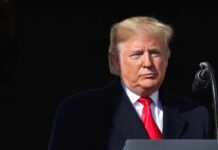

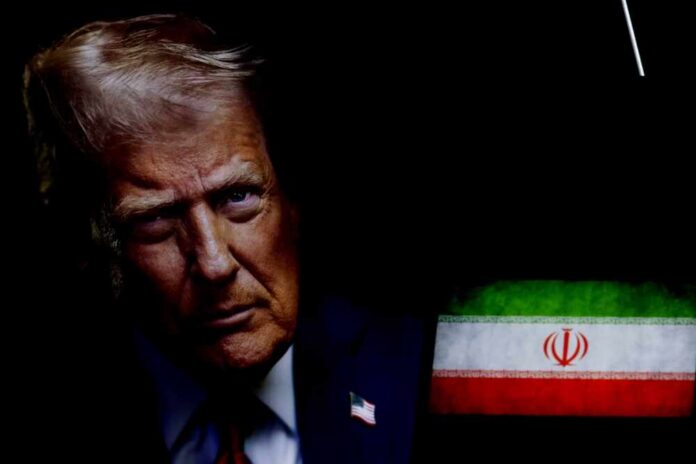
As Vice President JD Vance stretches out a hand for peace with Iran, President Trump is again warning that American bombers can be back in the sky if Tehran and its terror proxies step out of line.
Story Snapshot
- Trump warns he will restart strikes on Iran if it fails to rein in Hezbollah attacks during new peace talks.
- Vance meets Iranian officials in Switzerland under a 14‑point ceasefire memorandum that promises a full end to hostilities and future sanctions relief.
- The deal aims to halt Iran’s nuclear program and reopen vital shipping lanes, but critics say it gives Tehran huge economic rewards.
- Republicans and Democrats in Washington are split, uneasy about trusting the world’s top terror sponsor while American leverage is on the line.
Trump’s ‘peace through strength’ message collides with Iran reality
In the Swiss Alps, American and Iranian negotiators just sat down for the first full peace talks since Trump’s air campaign crushed key parts of Iran’s war machine and forced Tehran into a ceasefire.[3] These talks are happening under a new 14‑point memorandum of understanding that both sides released, which declares an immediate and permanent end to military operations on all fronts, including Lebanon, and lays out a 60‑day window to hammer out a final deal.[1] The framework also promises the reopening of the Strait of Hormuz to normal commercial shipping and sets a path for lifting sweeping American sanctions if Iran complies.[1]
Even as those talks began, Trump reminded Iran that American power is not off the table. At the same time that Vance was seated with Iranian officials at a luxury resort over Lake Lucerne, Trump posted that if Iran does not control Hezbollah, “we’ll hit them hard again,” making clear the bombing pause is earned, not given.[4] That message lines up with what Vance has told Fox viewers back home: the administration wants diplomacy, but the president “has various other options available” if Iran keeps chasing the bomb or threatens the region.[2] Republican leaders in Congress describe this as peace through strength, saying the White House has American forces “positioned appropriately if the need arises,” even as they hope talks make further strikes unnecessary.[2]
What the 14‑point deal really gives Iran — and what America gets back
The text of the Islamabad memorandum shows just how far this deal could go if Iran plays ball. The document says both the United States and Iran commit to a “permanent termination of military operations on all fronts,” and promises a final agreement in no more than 60 days, with extensions only by mutual consent.[2] It orders the American naval blockade on Iran to be dismantled within 30 days and vessel traffic restored to pre‑war levels, while also requiring Iran to ensure safe, toll‑free passage for commercial ships through the Strait of Hormuz for at least 60 days.[1][4] On sanctions, the United States pledges to remove United Nations, international atomic, and unilateral American sanctions on a schedule linked to the final agreement, while Iran, in turn, commits not to acquire nuclear weapons, to halt enriched‑uranium stockpiles, and, according to televised summaries, to end its nuclear weapons program entirely.[3] Outside analysts note that the memorandum also talks about releasing tens of billions in frozen Iranian funds, pumping vast cash back into a regime that still backs terror groups from Hezbollah to militias in Iraq.[6]
For many conservative voters, that trade raises hard questions. Trump and Vance can rightly say this is not the weak 2015 nuclear deal that let Iran keep spinning centrifuges while raking in oil money. Here, the White House is pairing relief with real military pressure and demanding Iran abandon nuclear weapons outright, not just slow them.[3] But foreign‑policy experts warn that once sanctions are lifted and oil is flowing, Tehran will have new resources that could still end up funding terror networks that target Israel and threaten Americans in the region. Some in Trump’s own party already grumble that the framework “appears tilted in Tehran’s favor,” fearing that a rush to end an unpopular war could lock in a bad bargain if Iran cheats later.[9][22] That tension leaves many patriots torn: they want our troops out of harm’s way, yet they do not trust Tehran with a single dollar, much less the windfall this deal could unlock.
Vance walks a tightrope as critics claim threats undermine peace
While Trump publicly talks about Iran “begging” for a deal and insists the war is “very close” to over, Vance has been more cautious.[7] He has told reporters the administration is “negotiating in good faith” but refuses to promise success “until we’re actually signing a negotiated settlement,” stressing that it is up to Iran to meet core demands, especially “no nuclear weapon.”[2] That mix of outreach and warning fits a long pattern in United States–Iran relations, where policy whipsaws from maximum pressure to sudden ceasefires and back again, building deep distrust on both sides.[18][20] Left‑leaning media outlets and foreign think tanks now argue that Trump’s vow to “hit them hard again” if Hezbollah keeps attacking shows Washington is using diplomacy mainly as cover for coercion, not real reconciliation.[4]
For Trump supporters, the picture looks different. They remember decades of globalist deals that showered dictators with cash while American workers lost jobs and our soldiers bled in endless wars. They watched the Obama‑era Iran agreement hand Tehran sanctions relief without ending terror or stopping missiles, and they saw Joe Biden’s team talk and stall while Iran advanced its nuclear work.[18] Against that backdrop, using the threat of force to keep Iran honest is not warmongering; it is basic common sense in a dangerous world. The real test over the next 60 days is whether Trump and Vance can turn battlefield gains into a peace that actually protects American security, our ally Israel, and the free flow of energy — without sliding back into another open‑ended Middle East war that America’s families are tired of fighting.
Sources:
[1] YouTube – Trump threatens to restart Iran war as Vance meets with Iranian …
[2] Web – US-Iran memorandum of understanding in full – BBC
[3] Web – The Full Text of the Memorandum of Understanding between the …
[4] YouTube – US-Iran: What’s in the 14-point agreement to end the war?
[6] Web – Full text of Trump’s framework agreement to end Iran war – NPR
[7] Web – U.S.-Iran Distrust Holds Up an Agreement – The Soufan Center
[9] Web – The US–Iran memorandum of understanding nods to international …
[20] Web – US-Iran Relations: A Complex History of Conflict and Change
[22] Web – United States and Iran on the Brink: What’s at Stake? – CSIS