
Ukraine says it transferred two captured North Korean soldiers to South Korea, spotlighting Pyongyang’s role in Russia’s war and raising sharp questions about wartime law and diplomacy.
Story Highlights
- Zelenskyy said Ukraine sent two North Korean prisoners of war to South Korea.
- Reports link the soldiers to captures in Russia’s Kursk region in January 2025.
- Seoul did not deny the transfer and said talks respected law and free will.
- A South Korean lawmaker said the men arrived after a third-country transit.
Ukraine’s Claim at the United Nations
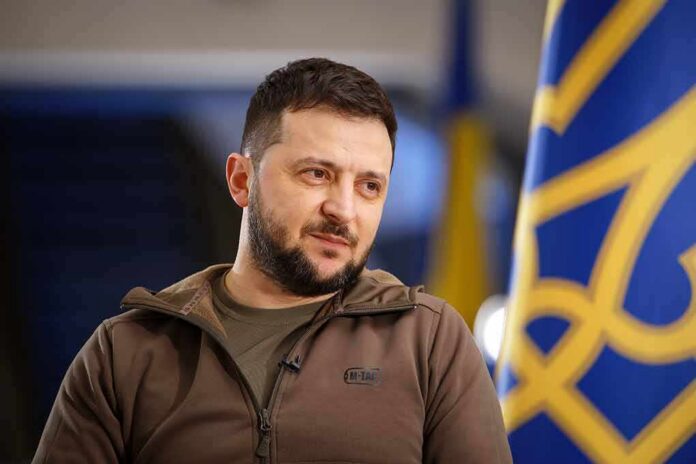
President Volodymyr Zelenskyy told the United Nations General Assembly on September 23 that Ukraine “sent two North Korean prisoners of war to the Republic of Korea.” He added that one captive tried to kill himself when he realized he would be taken prisoner but survived. His remarks put a public stamp on months of quiet talks about the fate of the only known North Korean prisoners of war from the conflict, and drew fresh focus to North Korea’s support for Russia.
Reports say Ukrainian forces captured the two North Koreans in Russia’s Kursk region in early 2025. That aligns with earlier accounts that only two North Korean soldiers were taken alive, making this a rare and politically charged custody case. The announcement also signals Kyiv’s attempt to show humane treatment of prisoners while exposing Pyongyang’s involvement. It underscores how Russia’s network of partners stretches beyond its borders, something U.S. allies continue to monitor closely.
Seoul’s Cautious Response and What It Signals
South Korea’s government declined to confirm the men’s arrival but did not deny the transfer. Officials said Seoul had held talks with Ukraine and other relevant parties and would act in line with international law and the individuals’ free will. That careful wording suggests an effort to protect the men and their families from regime retaliation while keeping the process legal and discreet. It also reflects South Korea’s long-standing policy toward North Koreans who do not wish to return.
South Korean opposition lawmaker Yu Yong-weon told reporters the two men left Ukraine, transited through a third country, and arrived in South Korea three to four days earlier, according to Yonhap reporting cited in international coverage. That account adds a clear logistical path that supports Zelenskyy’s claim, even as the government keeps details sealed. For conservatives, the quiet method shows how real diplomacy works when life and freedom are at stake.
Why This Matters for America and Our Allies
This transfer highlights growing links among authoritarian states. North Korea aided Russia’s war effort; Ukraine captured North Korean troops; South Korea may now host them. That chain shows how rogue regimes test the free world. It also shows why the United States, under President Trump, presses for strong alliances and clear red lines. When tyrants export soldiers and weapons, they export fear. When allies stand together, they protect human life and the rule of law.
The legal frame matters. The Third Geneva Convention governs treatment and transfer of prisoners of war, and Seoul says it is acting within international law and humanitarian principles. That emphasis on law is not “woke process.” It is the shield that keeps captives from being sent back to a regime known for brutal punishment. If the men asked to go south, honoring that choice respects individual liberty, a core conservative value rooted in God-given rights.
Known Facts, Open Questions, and What Comes Next
The public record establishes several points: Zelenskyy’s on-record claim; reporting that the captives were taken in the Kursk region in 2025; Seoul’s non-denial; and a lawmaker’s statement outlining a route through a third country. Some details remain sealed, including identities, unit affiliations, and official handover papers. Governments may be withholding these for safety and legal reasons. That does not erase the core facts; it explains the narrow public messaging.
Ukraine sent two North Korean POWs to South Korea, Zelenskyy says
UN address: soldiers captured in Kursk in 2025 wanted to resettle; Seoul does not deny the transfer and cites humanitarian talks.
— EJPH.com (@ejphnews) September 24, 2026
Conservatives should watch for three things. First, a formal South Korean statement on the men’s legal status, which would close the loop. Second, any North Korean propaganda push to deny or twist the story. Third, whether this case deters Pyongyang from sending more fighters. Freedom depends on facts, strength, and moral clarity. Here, the facts show two men likely escaped a regime’s grip. Strength and moral clarity now mean guarding their will and their safety, without feeding globalist spin.
Sources:
aljazeera.com, upi.com, koreatimes.co.kr, pravda.com.ua